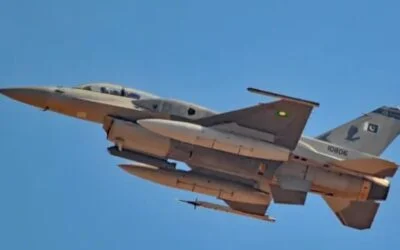
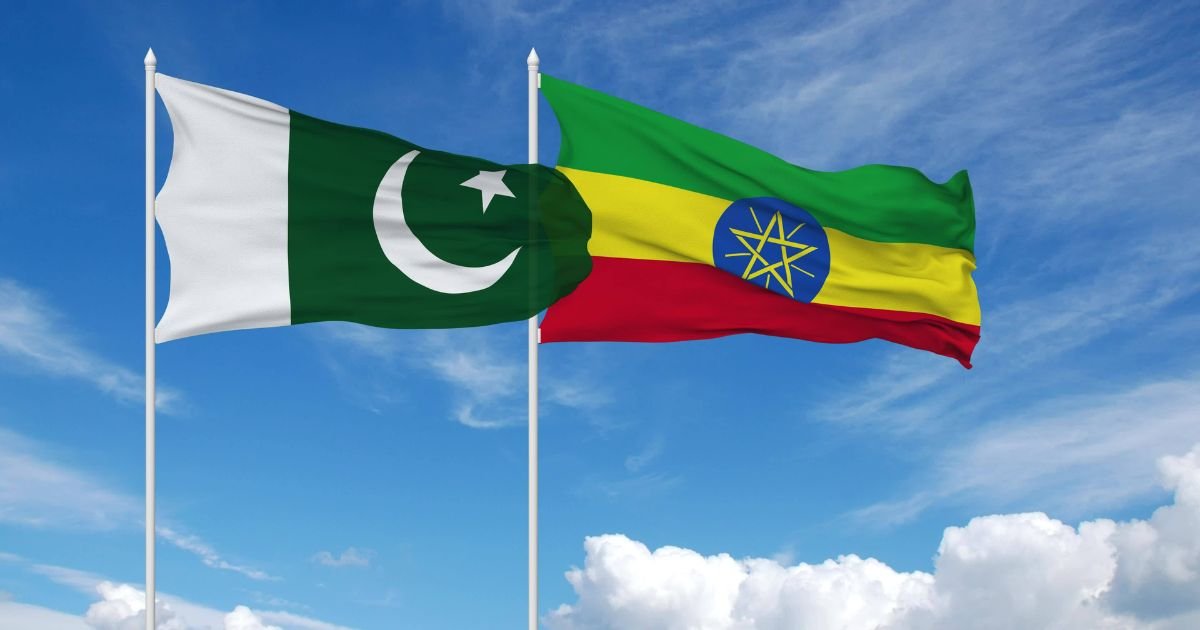
Pakistan’s outreach to Africa gained new prominence in August 2025. An Ethiopian Air Force delegation visited Islamabad during this period. The Chief of the Ethiopian Air Force, Lieutenant General Yilma Merdassa, met Air Chief Marshal Zaheer Ahmed Baber Sidhu in Islamabad. Both sides reaffirmed their resolve to deepen military cooperation. The Ethiopian commander praised the Pakistan Air Force’s readiness and expertise. He expressed interest in learning from Pakistan’s experience. Pakistan offered expanded training support and technology exchange to meet Ethiopia’s defense needs.
#ISPR
Lieutenant General Yilma Merdassa, Commander Ethiopian Air Force, called on Air Chief Marshal Zaheer Ahmed Baber Sidhu, Chief of the Air Staff, Pakistan Air Force, at Air Headquarters, Islamabad. During the meeting, both dignitaries held detailed discussions on areas of… pic.twitter.com/fUXIDH4owK— Eagle Eye (@zarrar_11PK) August 27, 2025
Officials said the visit “signifies a resolute commitment of both countries to reinforce military partnership.” At the same time, Pakistan’s Defense Minister Khawaja Muhammad Asif met Ethiopian Special Envoy Jemal Beker Abdula. The talks focused on defense and aviation cooperation. Asif stressed that Pakistan gives the “utmost priority” to Ethiopia in its new Africa policy. He described Ethiopia as a “gateway to Africa”. He also welcomed Ethiopian Airlines’ entry into Karachi, calling it “a major boost” to business and people-to-people ties. These high-level exchanges show how defense diplomacy and military visits are now symbols of Pakistan’s renewed outreach to Africa.
Pakistan’s “Engage Africa” Policy and Look Africa Initiative
Pakistan’s ties with Africa are now formalized under the “Engage Africa” and “Look Africa” policies. Pakistan’s UN mission notes that “Engage Africa” seeks stronger trade, investment, and security cooperation. The policy presents Pakistan as “a bridge to bring Asia and Africa closer together.” Projects like the China-Pakistan Economic Corridor (CPEC) support this vision. The Commerce Ministry launched the Look Africa Policy in 2017. At that time, trade volumes with Africa were only $3-4 billion per year. The initiative aimed to raise this figure by striking trade deals with African blocs and opening new trade offices.
For example, Ethiopia was ranked among the top ten African economies for trade promotion. Pakistan opened new commercial sections across Africa, including Addis Ababa. It also organized trade forums to link Pakistani and African companies. Officials report that these steps have produced results. A Senate committee noted that trade with Africa crossed $5.45 billion in 2023-24. Pakistan’s main exports to Africa are rice, textiles, and pharmaceuticals. In return, African partners supply raw materials and energy.
Source: The Nation
This policy shift has produced visible effects. In July 2025, Khawaja Asif said Pakistan is “increasing its presence on the African continent of more than 1.4 billion people with untapped resources.” Ethiopia’s ambassador also highlighted the role of connectivity. He briefed Pakistani officials on how Ethiopian Airlines links “the rest of Africa” with Pakistan. In Parliament, Senator Yousuf Raza Gilani pointed to gains under “Engage Africa.” He said Pakistan expanded its diplomatic missions, signed new agreements, and lifted trade with Africa. He also cited defense achievements. Nigeria and Zimbabwe purchased Pakistani aircraft like the JF-17 and Super Mushshak. Ethiopian Airlines also resumed Karachi flights. Pakistan’s policies and parliamentary leadership connect economic diplomacy with defense outreach. Together, they underscore the national goal of establishing strategic partnerships with Africa.
Proud moment for Pakistan as Zimbabwe seals the deal for delivery of 12 Super Mushak trainer aircraft for Air force of Zimbabwe. https://t.co/KaufoupU7G @syrusqazi @MIshaqDar50 @PkPublicDiplo @ForeignOfficePk @MoFA_ZW @HeraldZimbabwe @HMetro_ pic.twitter.com/dXBKaFtGXF
— Consul General Murad Baseer (@muradbaseer) April 28, 2024
#BREAKING : ZIMBABWE TO PROCURE COMBAT PLANES FROM #PAKISTAN #Zimbabwe has signed and finalised a multimillion dollar defence deal with the Islamic Republic of #Pakistan for the sale of 12 Super Mushak trainer/light attack aircraft built by the Pakistan Aeronautical Complex. pic.twitter.com/uKmleiDTOR
— Defence Index (@Defence_Index) April 28, 2024
Military Diplomacy and Peacekeeping Legacy
Pakistan has been a significant contributor to global peacekeeping efforts, particularly in Africa. Since the 1960s, its troops have served in dozens of UN peacekeeping missions on the continent. This legacy strengthens today’s military outreach. The Ethiopian visit reflects a wider pattern of training and exercises with African partners. In early 2025, Pakistan and South Africa agreed to deepen defence ties. Their plan includes joint ventures, technology transfers, and capacity building. Islamabad hosted a Joint Defence Committee that explored new cooperation in military innovation and training. This effort builds on a 2017 MoU on defence production. Pakistan also trains African officers at its institutions and sends its own experts to African academies. The Ethiopian Air Force’s interest in Pakistan’s advanced training and systems, as demonstrated during the recent visit, is a clear result.
The understanding was reached during the second meeting of the Pakistan-South Africa Joint Defence Committee (JDC) held in Islamabad from March 17-19.https://t.co/ylTezgyGf1
— Dawn.com (@dawn_com) March 20, 2025
🇵🇰🤝🇪🇹 Strengthening military ties!
Lieutenant General Yilma Merdassa, Commander of the Ethiopian Air Force, met Air Chief Marshal Zaheer Ahmed Baber Sidhu at Air Headquarters Islamabad. Both sides discussed professional matters and reaffirmed their commitment to boost bilateral… pic.twitter.com/XZ9ITQKBho
— Raaz News – En (@raaznewsen) August 28, 2025
Pakistan has strengthened its image as a peace-promoting actor. In different forums, Pakistan condemns terrorism “in all its forms and manifestations,” including state terrorism. This reflects its national narrative as a victim of terror. While the main focus here is on Ethiopia, Pakistan’s ties with other African states are also important. Nigeria, Kenya, and Morocco all conduct training and counterterror drills with Pakistan. Such cooperation reinforces Pakistan’s position as a trusted security partner in Africa.
Pakistan as a Bridge Between Asia and Africa
Pakistan presents itself as a geographical and diplomatic bridge between Asia and Africa. The Foreign Office notes that CPEC connectivity and new overland corridors will “bring Asia and Africa closer together.” Islamabad frames this as a return to old trade patterns. Centuries ago, Pakistan’s coasts were linked to East Africa before tectonic shifts. Today, modern infrastructure is reviving those connections.
In September 2025, Pakistan’s Maritime Minister proposed a China-Gwadar-Africa logistics corridor. The plan envisions Chinese investment in Gwadar to serve African markets. It reflects Pakistan’s goal of building cross-regional connectivity. At the SCO summit, Pakistan’s Prime Minister also highlighted CPEC as a “key initiative for trans-regional economic and trade integration.” He stressed Pakistan’s strategic location as a trade and transit hub for the SCO region. This vision implicitly includes East Africa.
Source: Arab News
In practice, Pakistan’s ports and territory already serve as gateways for goods moving between Asia and Africa. By promoting CPEC 2.0, focused on industry, energy, and connectivity, Islamabad aims to expand this role. Proposed new transit routes to African markets reinforce the same vision. Together, these efforts project Pakistan as a facilitator of Afro-Asian commerce and development.
Diversifying Partnerships and Strengthening Ties
Pakistan’s outreach to Africa reflects a deliberate diversification of its partnerships. It moves beyond traditional allies in the Middle East, the West, and South Asia. The Senate chairman noted that Pakistan and many African nations share anti-colonial histories. Both also face similar development challenges. Opportunities exist on both sides. Africa offers a young workforce and vast resources. Pakistan contributes expertise in agriculture, industry, and technology. Together, these strengths create a natural basis for cooperation. Islamabad is also reducing reliance on any single region by deepening African ties.
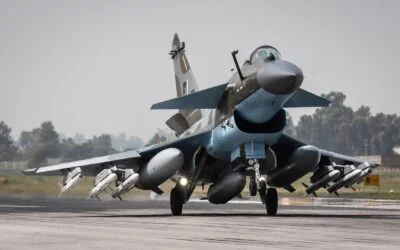
Defense cooperation illustrates this shift. Ethiopia’s talks with Pakistan follow earlier procurements by other African partners. Nigeria purchased JF-17 jets, while Zimbabwe acquired Mushshak trainers. These transactions go beyond simple sales. They form part of long-term strategic partnerships. Diplomatically, Pakistan signals its commitment through annual observances. The President and Parliament mark Pakistan-Africa Friendship Day each year to emphasize the value of this partnership.
This diversification brings clear dividends. New African markets expand opportunities for Pakistani goods and services. Military cooperation fosters interoperability and goodwill between forces. Pakistan’s credibility as a Global South nation also grows through active South-South collaboration.
The government highlights this image in its diplomacy. At the Ethiopian meeting, Pakistan reaffirmed shared goals of peace. It offered condolences for Ethiopian calamities and pledged help in times of need. Such gestures strengthen Pakistan’s role as a benevolent partner. The Ethiopian delegation’s visit and related initiatives reflect a wider strategy. Pakistan is deepening defense diplomacy and economic outreach to present itself as a peace-promoting actor on the world stage.