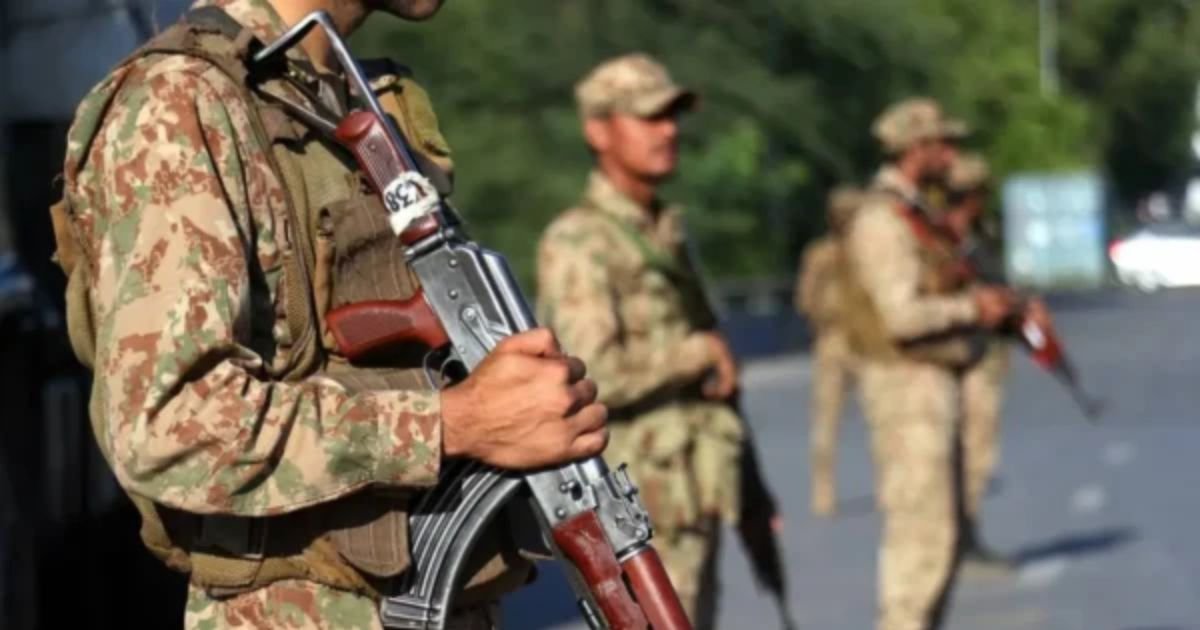
A sweeping joint counter-insurgency offensive led by the Pakistan Army, Frontier Corps (FC), and local police forces has eliminated three more high-profile militants in Balochistan, bringing the total number of neutralized terrorists to 88 since the campaign’s launch on July 5.
Named Operation Shaban, the intensive security sweeps were authorized in direct retaliation for a horrific insurgent assault on a police checkpoint near the Mangi Dam pumping station in the northern Ziarat district. When integrated with related intelligence-based operations (IBOs) conducted across the province over the last ten days, the total number of killed insurgents stands at 126.
Joint Operation Shaban, launched by the Pakistan Army, FC Balochistan and Police, continues as security forces intensify air and ground operations against terrorists. Security sources say three more terrorists have been eliminated, taking the total killed in Operation Shaban to… pic.twitter.com/OieUTHPR1c
— Pakistan TV (@PakTVGlobal) July 15, 2026
Heavy Air and Ground Offensives Target Key Insurgent Strongholds
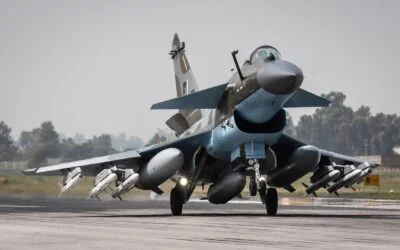
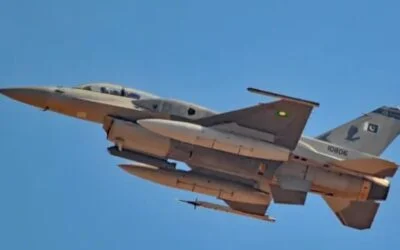
According to official updates, security forces have sharply intensified both aerial strikes and coordinated ground operations over the past 24 hours. Armed with helicopter gunships and tactical ground support, military and paramilitary teams have successfully targeted deep-mountain insurgent hideouts, particularly in the rugged terrain surrounding the Zarghoon Gar range.
Federal Interior Minister Mohsin Naqvi praised the tactical precision of the security units on Wednesday, stating that the operations are progressing with high efficiency and will continue until the militant infrastructure is entirely dismantled.
During the latest raids, security personnel recovered substantial stockpiles of advanced combat weaponry, including:
-
Submachine guns and automatic rifles
-
Rocket-propelled grenade launchers (RPGs)
-
Tactical communications gear and encrypted mobile devices
The ongoing campaign is designed to break the operational momentum of ethnic separatist groups and transnational militant factions that have driven a sharp rise in regional instability.
The Catalyst: The Brutal Siege of Mangi Dam
Operation Shaban was initiated following the devastating events of early July. On the night of July 6, heavily armed Tehrik-i-Taliban Pakistan (TTP) militants executed a multi-directional raid on a remote outpost guarding Pumping Station No. 3 at the Mangi Dam.
During the initial hours of fierce resistance, nine police officers—including two senior Station House Officers (SHOs)—were killed. Before reinforcing units from the Pakistan Army and Frontier Corps could secure the remote outpost, the retreating insurgents abducted 18 surviving police personnel, moving them deeper into the surrounding hills.
As military cordons tightened around the escape routes, the militants executed all 18 captive officers. Their bodies were later recovered from the mountainous Zarghoon Gar area and transported to Civil Hospital Quetta.
Deepening Unrest and Civilian Protests in Quetta
The tragic execution of the police personnel has triggered immense anger and civil unrest. A highly charged sit-in protest organized by grieving relatives, political activists, and civil society representatives entered its sixth consecutive day at Koila Phatak Chowk on the outskirts of Quetta.
Family members of the fallen officers have refused to bury their loved ones, leaving several bodies unburied at the protest site as they demand swift justice, a comprehensive judicial inquiry into the security lapses, and vastly improved protection for frontline law enforcement personnel.
Provincial Home Minister Ziaullah Langove, leading the government delegation, pleaded with the families to proceed with the burials, noting that the state has already agreed to set up a judicial commission to investigate the tragedy. However, negotiations remain deadlocked as demonstrators demand immediate, concrete steps to halt the province’s deteriorating security situation.
According to a security assessment by the Pakistan Institute for Conflict and Security Studies (PICSS), terrorist violence in Balochistan spiked by 109 percent in May alone. This escalation has been characterized by a sharp rise in sophisticated attacks and targeted abductions, with 52 out of 54 kidnappings nationwide in May occurring inside Balochistan.
National Leadership Vows Full Elimination of Militant Networks
The severity of the crisis brought Prime Minister Shehbaz Sharif and the Chief of Defence Forces (CDF) and Chief of Army Staff, Field Marshal Asim Munir, to Quetta last week for an emergency provincial apex committee meeting.
During the high-level civil-military huddle, Prime Minister Sharif declared a “singular and mutual decision” to deploy all state resources to eradicate terrorism collectively. The military command has pointed to external logistical support and sanctuaries, particularly from bordering territories, as key drivers of the recent waves of coordinated violence.