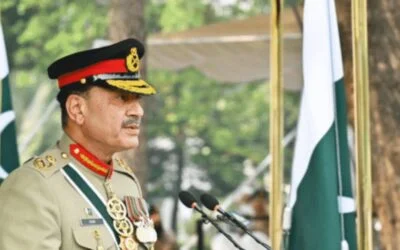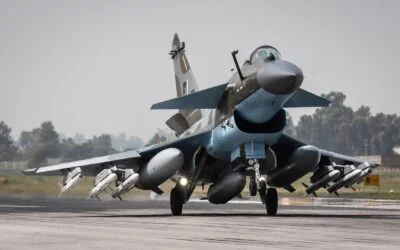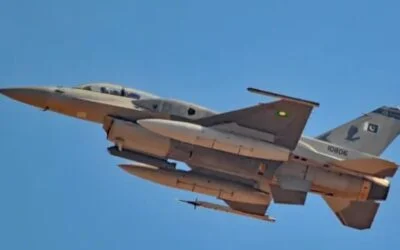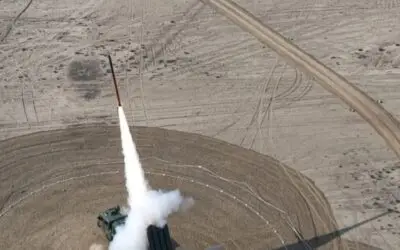
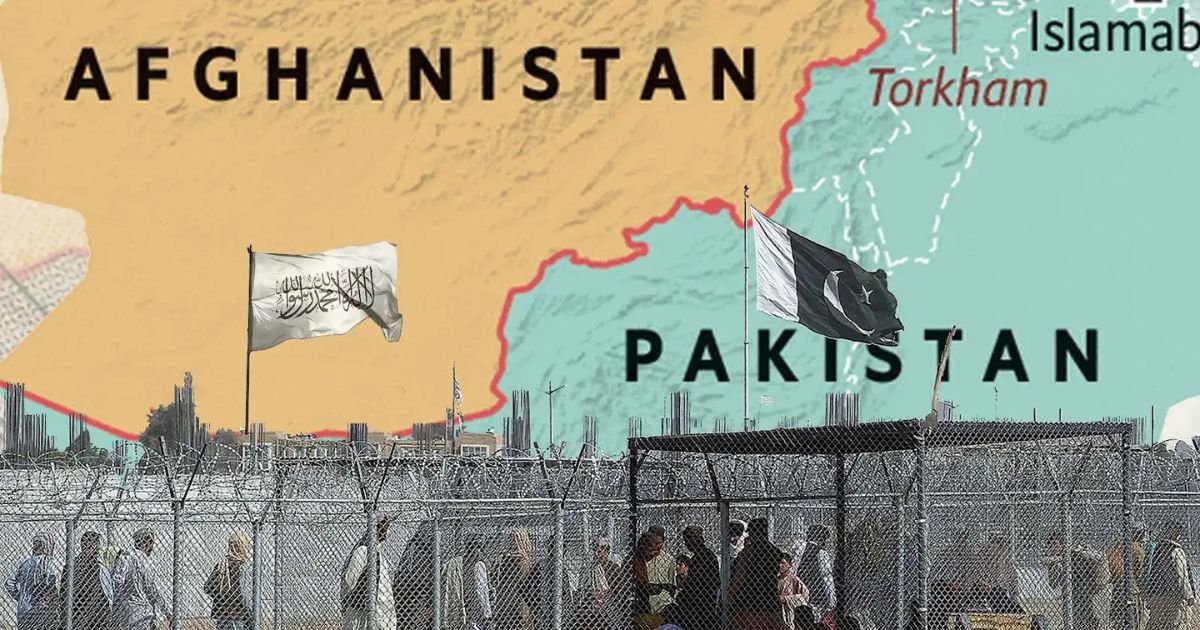
The rugged border of Pakistan and Afghanistan, the Durand Line, has never been calm. In October 2025, intense conflict broke out at the 2,640 km border with Pakistan, claiming that Afghan troops attacked its outposts unprovoked. Islamabad claimed that its forces captured at least 19 Afghan checkpoints in retaliation, striking locations where their land was being targeted.
View this post on Instagram
Pakistani TV footage and social media depicted Afghan posts being demolished and militants running away or surrendering. The military claimed it was responding in self-defense against consistent cross-border attacks and promised to continue the attacks until it eliminated all threats posed by Afghan soil.
View this post on Instagram
Pakistan – Afghanistan International border 🇵🇰
Gavi, Kurram, KPK
Clashes have been reported between Pakistan’s security forces & Afghan Taliban, Pakistan is now responding with heavy artillery fire, aviation units are also in the air. pic.twitter.com/9bkSdOVXE0
— Pakistan Strategic Forum (@ForumStrategic) October 11, 2025
Border Clashes Undo Recent Gains in Pak-Afghan Ties
Over the past few months, there has been a gradual improvement in the bilateral relations between Pakistan and Afghanistan. Both sides have negotiated trade, border control, and counter-terrorism cooperation. The possibility of expanding the China-Pakistan Economic Corridor (CPEC) into Afghanistan has raised hopes for increased connectivity and economic growth in the region. Trilateral and quadrilateral peace talks involving Pakistan, China, Afghanistan, and other regional interested parties demonstrated a willingness to pursue stability and cooperation. However, this situation dramatically worsened in October 2025 when severe border conflicts broke out between the two countries. Pakistan claimed that Fitna-al-Khawarij militants attacked Pakistani border posts via Afghanistan, prompting Pakistani forces to retaliate. Kabul, on the other hand, accused Pakistan of violating its sovereignty through cross-border operations.
Exchanges of fire and diplomatic statements further deepened mistrust. Pakistan’s Foreign Office emphasized that its actions were defensive, aimed at terrorist hideouts threatening national security, while Afghan leaders condemned these attacks as aggressive. These events have eroded the improving relationship between Islamabad and Kabul. Negotiations on trade, border cooperation, and CPEC discussions have stalled. Pakistan is demanding that the Taliban government take action against TTP militants who have established themselves within Afghan territory.
On night 10/11 October 2025, in a cowardly terrorist attack, Khwarij belonging to Indian proxy Fitna al Khwarij targeted Police Training School in Dera Ismail Khan District.
The assailants attempted to breach the perimeter security, however, their nefarious designs were swiftly…
— DG ISPR (@OfficialDGISPR) October 12, 2025
Pakistani Response
The civilian and military leadership of Pakistan was united. Prime Minister Shehbaz Sharif criticized the provocation of Afghanistan and praised the befitting response of the army, which demolished several enemy posts. He vowed that Pakistan would not compromise on its defense and that any border attack would be subject to a powerful response. The same position was reflected by the Interior Minister, Mohsin Naqvi, who termed the firing at civilians as a serious violation of international law. He cautioned Kabul that “no provocation will go unanswered.” Naqvi referred to the act of the army as a stone to a brick, referring to videos of Afghan soldiers surrendering to fire.
وفاقی وزیرداخلہ محسن نقوی کی افغانستان کی جانب سے پاکستانی علاقوں پر بلااشتعال فائرنگ کے واقعات کی پر زور مذمت
افغان فورسز کی شہری آبادی پر فائرنگ بین الاقوامی قوانین کی کھلم کھلا خلاف ورزی ہے۔— Ministry of Interior GoP (@MOIofficialGoP) October 11, 2025
Islamabad reminded Kabul that it had long warned against militant attacks from Afghan soil. Prime Minister Shehbaz Sharif stated that Pakistan had already provided information on several occasions regarding groups such as Fitna-al-Khawarij and Fitna-al-Hindustan, backed by India. He and other officials were encouraging the interim Afghan government to ensure that its land is not used against Pakistan.
The other thing that is escalating the crisis is the growing presence of India in Afghanistan. Pakistan perceives the increasing influence of New Delhi, particularly in the areas of intelligence and diplomacy, as a direct strategic threat. This is the way that Islamabad has strengthened its view that the instability in Afghanistan is beneficial to Indian regional interests. This has further reduced trust between Pakistan and Afghanistan, making reconciliation even more challenging.
Underlying Causes: Militancy and Influence
The causes of the clashes have deeper roots. Islamabad attributes the conflict to cross-border militancy. The Taliban-led Afghanistan is accused by Pakistani leaders of harboring militant groups, with the most notable being the Tehreek-e-Taliban Pakistan (TTP) or Fitna al-Khawarij. They accuse these groups of using the Afghan land to organize attacks within Pakistan. Defense Minister Khawaja Asif vowed that Islamabad would not permit such sanctuaries. He said that as long as the Afghan soil is used against us, we will respond, and that any negotiations should be accompanied by a stern commitment to ensure that militants are not sheltered. The civilian and military leadership at this point characterize the border operations as a broader strategy to destroy FAK, FAH, and ISIS networks located in Afghanistan.
Pakistan also accused regional rivals of fueling the conflict. Prime Minister Sharif and Defense Minister Asif directly blamed India, referencing previous threats of Fitna al-Hindustan, a name that means India-supported proxies. They accused New Delhi of aiding anti-Pakistan activities by its increasingly close relationship with Kabul. Defense Minister Asif claimed that militants were being assisted by external actors, which obviously meant India. The border dispute is viewed by Islamabad as a bigger power issue. It feels that India is having its way in Afghanistan, and it is influencing the militants to attack Pakistan; a robust army response is required to regain control.
You May Like To Read: Pakistan Army Team Secures Gold Medal at Exercise Cambrian Patrol – 2025 in UK
Diplomatic Efforts and Regional Pressure
The conflicts soon attracted the attention of the international community. Saudi Arabia, Qatar, and other Muslim nations called upon both to prevent escalation. Pakistan agreed to a temporary ceasefire. The spokesmen of the foreign ministry and the military of Pakistan emphasized the importance of dialogue. The Foreign Minister’s office condemned the violence, urged restraint, and urged Kabul to deal with terrorists.
Deputy Prime Minister/Foreign Minister Senator Mohammad Ishaq Dar @MIshaqDar50 received a message from H.E. Dr. M. Abdulaziz Al-Khulaifi @Dr_Al_Khulaifi, Minister of State for Foreign Affairs of Qatar, regarding the regional situation.
Dr. Al-Khulaifi appreciated Pakistan’s… pic.twitter.com/7cwJJj6x3W
— Ministry of Foreign Affairs – Pakistan (@ForeignOfficePk) October 15, 2025
On the ground, the battle calmed down within days, with ceasefires being effective under the pressure of the international community. The two armies stood their ground, and some border crossings remained closed. The military spokesman of Pakistan stated that its troops had the right of self-defense as they had repelled the attack and would continue to strike terror groups.
Fragile Calm on the Pakistan-Afghanistan Border
The two parties have been cautious after the October confrontations, though tensions still exist. An announcement was made of a ceasefire mediated by Qatar and Turkey. The Pakistan Defense Minister Khawaja Muhammad Asif had warned that “anything coming from Afghanistan will be a violation of this agreement”. Afghan spokesman Zabihullah Mujahid replied that Afghan soil “will not be allowed to be used against any other country.”
Yet, trust remains fragile. Kabul still refuses to accept that the Fitna-al-Khawarij is operating from its soil, while Islamabad is demanding verifiable assurances. The rift runs deep. Major border crossings, such as the one at Chaman in Balochistan and Torkham in Khyber Pakhtunkhwa, remain partially open. Local merchants say that markets are nearly dead. Cross-border trade has become stagnant, affecting the lives of people on both sides.
In a bigger strategic perspective, the pause in open fighting has not helped to resolve the actual issue. The main problem is the uncontrolled militant action on Afghan soil. Pakistan still insists on having a clear mechanism to monitor and regulate these movements. It demands that the Khawarij be destroyed with genuine Afghan collaboration, not just mere promises.
Afghanistan, meanwhile, hides behind claims of sovereignty while ignoring its duty to prevent cross-border attacks. Islamabad’s limited defensive actions are portrayed as violations, yet these are responses to repeated provocations and FAK safe havens inside Afghanistan. Allegations of “airspace violations” overlook Pakistan’s right to protect its citizens from cross-border terrorism.
Without joint border monitoring and trust-based coordination, the ceasefire risks becoming only a brief pause. The involvement of regional actors, especially India’s growing influence in Kabul, adds another layer of pressure. New Delhi’s covert support for anti-Pakistan elements complicates efforts for peace. The calm along the frontier is fragile; beneath it, the contest over security, influence, and regional balance remains unresolved.
Looking Ahead
The future of Pakistan-Afghanistan relations is now dependent on the decisions that both parties make. Further conflict will be met only with further insecurity, whereas new diplomacy might restore peace and collaboration. Neutral partners like China, Qatar, Turkey, SCO, or the Organization of Islamic Cooperation (OIC) can also be mediated to alleviate tensions. The clashes in October 2025 are the best reminder of how delicate the relationship is. Dialogue, restraint, and true mutual respect will be needed to achieve lasting peace and regional stability.
You May Like To Read: Naval Chief Admiral Naveed Ashraf Strengthens Bilateral Maritime Ties During US Visit