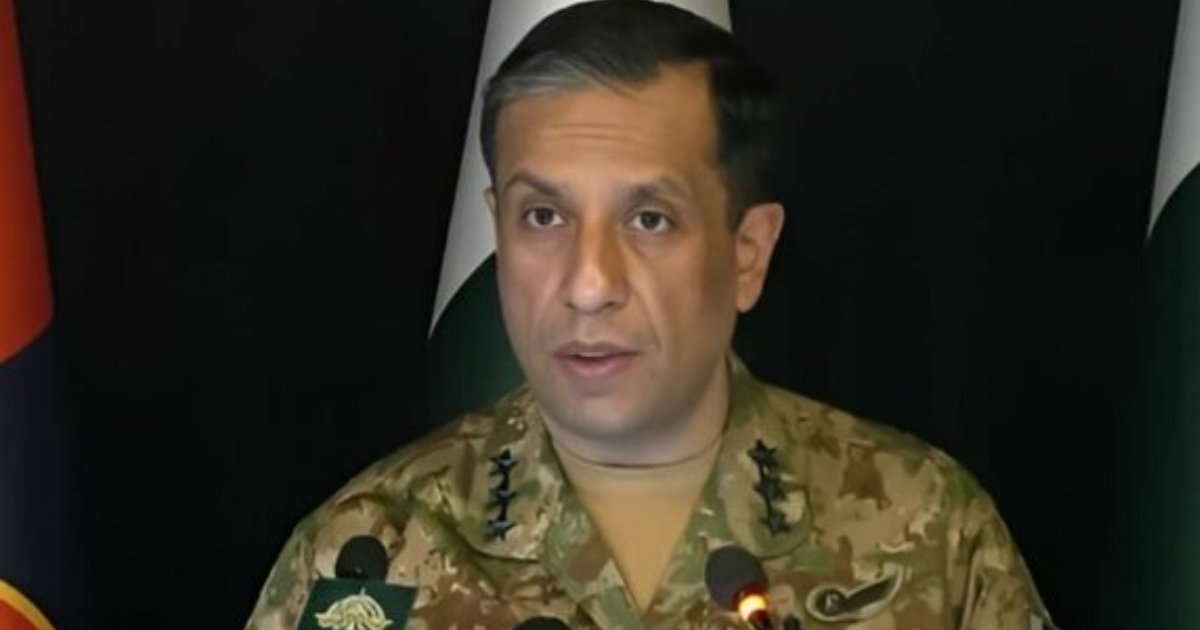
In a definitive response to escalating cross-border tensions, Director General Inter-Services Public Relations (ISPR), Lieutenant General Ahmed Sharif Chaudhry, has clarified the nature of Pakistan’s recent military operations inside Afghanistan. During a detailed interview with a private news channel, the DG ISPR categorically denied allegations of targeting civilian infrastructure, asserting that the operations were surgical strikes aimed at dismantling terrorist capabilities.
Afghanistan is not a graveyard of empires it is actually a playground of empires who left Afghanistan after playing some games.Pakistan is not going anywhere.If Taliban want to live peacefully they are welcome but if they will harbour terrorists we will not allow them. DG ISPR pic.twitter.com/29fCyexwl8
— Hamid Mir حامد میر (@HamidMirPAK) March 18, 2026
Precision Strikes vs. Propaganda
Lieutenant General Ahmed Sharif Chaudhry addressed claims made by the Afghan Taliban regarding the targeting of a hospital or drug rehabilitation center. He dismissed these assertions as baseless, questioning the logic of placing medical facilities within high-security military installations.
“How could any sane person establish a hospital within a military installation?” the DG ISPR questioned.
He clarified that the targets hit in Kabul were:
-
Ammunition Depots: Storage for lethal ordnance.
-
Drone Storage: Facilities housing unmanned aerial vehicles.
-
Technical Support Centers: Infrastructure used to maintain insurgent equipment.
The General noted that the fires observed at the sites were the result of secondary detonations, confirming that the buildings were filled with explosives rather than medical supplies.
The Scope of Operation Ghazab Lil-Haq
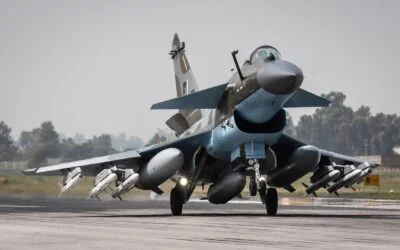
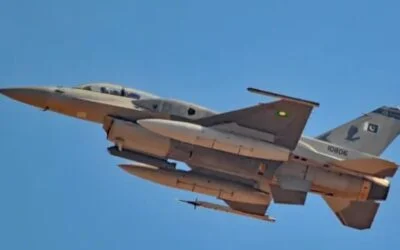
Pakistan has conducted 81 air strikes inside Afghanistan to date. The DG ISPR emphasized that these operations utilized precision-guided munitions to ensure the elimination of terrorist hideouts while strictly avoiding collateral damage to the civilian population.
The military action, part of Operation Ghazab Lil-Haq, was triggered by “blatant aggression” from the Afghan Taliban. According to the DG ISPR, the Taliban regime attacked Pakistani border posts at 53 different locations, necessitating a robust and decisive response.
Redefining the Conflict: “Fitna al-Khawarij” and Statehood
The DG ISPR provided a harsh assessment of the current governance in Afghanistan, stating that the country cannot be viewed as a state in the traditional sense. Instead, he described it as a territory controlled by a terrorist proxy.
Key points of his critique included:
-
Exploitation of Vulnerable Groups: He alleged that the Afghan Taliban regime exploits drug addicts for suicide bombings and training purposes.
-
Civilian Disguise: He highlighted the difficulty of identification, noting that Taliban operatives and terrorists often wear civilian clothing rather than uniforms to blend into the population.
-
Safe Havens: He accused the regime of harboring groups like Fitna al-Khawarij and Fitna al-Hindustan within government buildings.
A Message to the Afghan People
Despite the military friction, Lieutenant General Ahmed Sharif Chaudhry maintained that Pakistan holds no hostility toward the Afghan people, whom he described as victims of their own regime’s policies. Pakistan’s sole objective remains ensuring that Afghan soil is not used as a launchpad for terrorism against Pakistani territory.
You May Like To Read: Field Marshal Asim Munir Reaffirms Commitment to Eliminate Terrorists “Wherever They May Be”