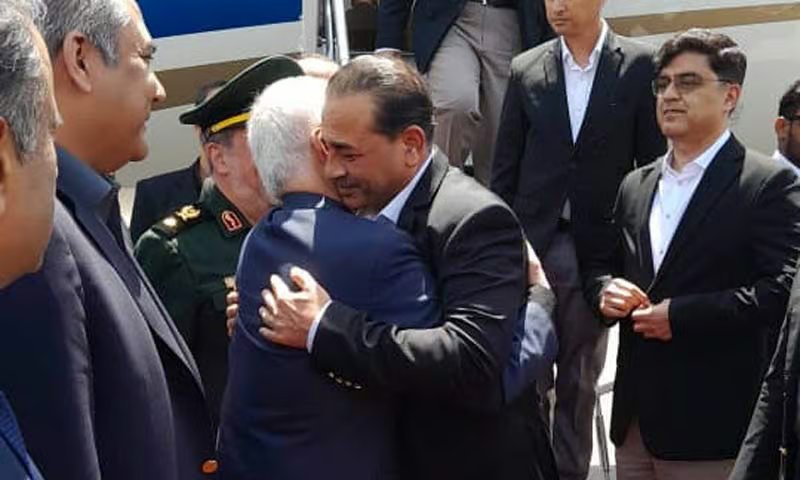
In a powerful demonstration of regional solidarity and strategic balancing, Pakistan’s top civil and military leadership arrived separately in the Iranian capital on Friday. Chief of Defence Forces (CDF) and Chief of Army Staff (COAS) Field Marshal Syed Asim Munir, alongside Prime Minister Shehbaz Sharif, paid their final respects to the late Iranian Supreme Leader Ayatollah Ali Khamenei at Tehran’s Grand Mosalla.
The high-level state visit takes place at a critical geopolitical moment. The public funeral, delayed due to the height of the recent Middle East war, proceeds under a fragile ceasefire brokered by the Islamabad Memorandum of Understanding (MoU) following the February 28 U.S.-Israeli kinetic strikes.
Field Marshal Syed Asim Munir #COAS & CDF of #Pakistan arrives in Tehran, #Iran to attend the funeral prayers of Iranian’s Supreme Leader Ali Khamenei
Upon arrival, Iran’s Minister of Defense, Minister of Interior, and senior civil-military officials warmly welcomed Field… pic.twitter.com/oGg0ez8uIn
— Pakistan Armed Forces News 🇵🇰 (@PakistanFauj) July 3, 2026
State Protocol: Exceptional Reception for Pakistan’s Command
Reflecting the deep strategic and fraternal ties between Islamabad and Tehran, the Pakistani delegation was accorded exceptional diplomatic protocol upon arrival:
-
High-Level Iranian Reception: Field Marshal Syed Asim Munir was received at the tarmac by Iran’s Minister of Defense, Minister of Interior, and senior civil-military commanders of the Islamic Revolutionary Guard Corps (IRGC).
-
Civilian Executive Presence: Prime Minister Shehbaz Sharif, arriving on a separate state aircraft, was welcomed by Iran’s Interior Minister, Pakistan’s Ambassador to Tehran, and senior diplomatic officials at Mehrabad Airport.
-
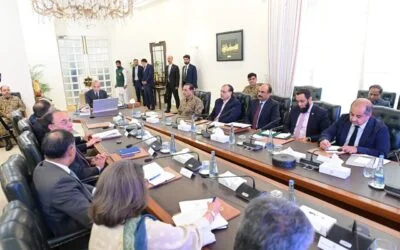
Comprehensive National Delegation: The Prime Minister is backed by an authoritative cross-party and executive delegation, including National Assembly Speaker Ayaz Sadiq, Deputy Prime Minister and Foreign Minister Ishaq Dar, Information Minister Attaullah Tarar, Senate Chairman Yousaf Raza Gilani, PPP Chairman Bilawal Bhutto Zardari, and Sindh Chief Minister Murad Ali Shah.
The Funeral Context: Multi-City Memorials as a Shield Against Aggression
The late Supreme Leader’s body is currently lying in state for three days at the colossal Grand Mosalla complex in central Tehran, draped in state banners and regional tributes.
-
The Commemoration Route: Following official ceremonies in the capital, the funeral procession will pass through key religious and political sanctuaries—moving from Tehran to the holy cities of Qom, Karbala, and Najaf, before final burial on July 9 at the shrine of Imam Reza in Mashhad, the birthplace of the late leader.
-
A Message of National Resilience: Iranian President Masoud Pezeshkian emphasized that the massive public and international turnout—with delegations from over 30 countries, including millions of mourners from Iraq and Afghanistan—serves as a “decisive” response to foreign intervention, violence, and external bullying while demonstrating ironclad national unity.
-
Public Reemergence of the IRGC Command: The ceremonies saw the first public appearance of IRGC Chief Ahmad Vahidi since the outbreak of the war in February, signaling the preservation of Iran’s military command architecture despite the targeted strikes that claimed senior leaders and advisers, including Ali Shamkhani.
Strategic Significance: Pakistan’s Balanced Diplomatic Doctrine
The presence of both Prime Minister Sharif and Field Marshal Asim Munir in Tehran highlights Pakistan’s sophisticated defensive and diplomatic doctrine in the region:
1. Guarding the Islamabad MoU
As a primary architect and guarantor of the current U.S.-Iran back-channel mediation track, Pakistan’s leadership is utilizing this state visit to stabilize the post-war truce. By maintaining direct lines of communication with the new political and military setup in Tehran, Islamabad ensures that the structural pillars of the Islamabad MoU remain intact.
2. Protecting the Western Border
With active counter-terrorism operations under way along the Durand Line against Afghan-based safe havens, securing a cooperative, stable relationship with Iran prevents a two-front security dilemma. The synchronized civil-military visit reassures Tehran of Pakistan’s commitment to regional stability while guarding its own borders.
3. The Regional Transit Axis
Following the conclusion of the funeral rites in Iran, Prime Minister Sharif is scheduled to proceed immediately to Turkiye to engage President Recep Tayyip Erdoğan. This sequential engagement underscores Pakistan’s active alignment with key regional powers to revitalize frozen trade corridors, energy networks, and strategic connectivity projects that were disrupted by the Gulf conflict.