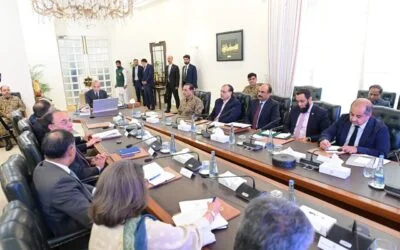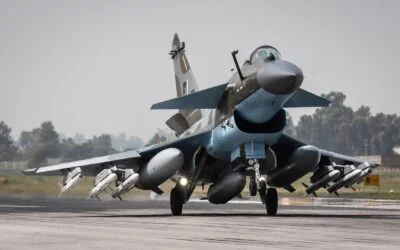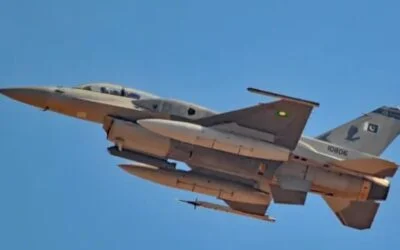
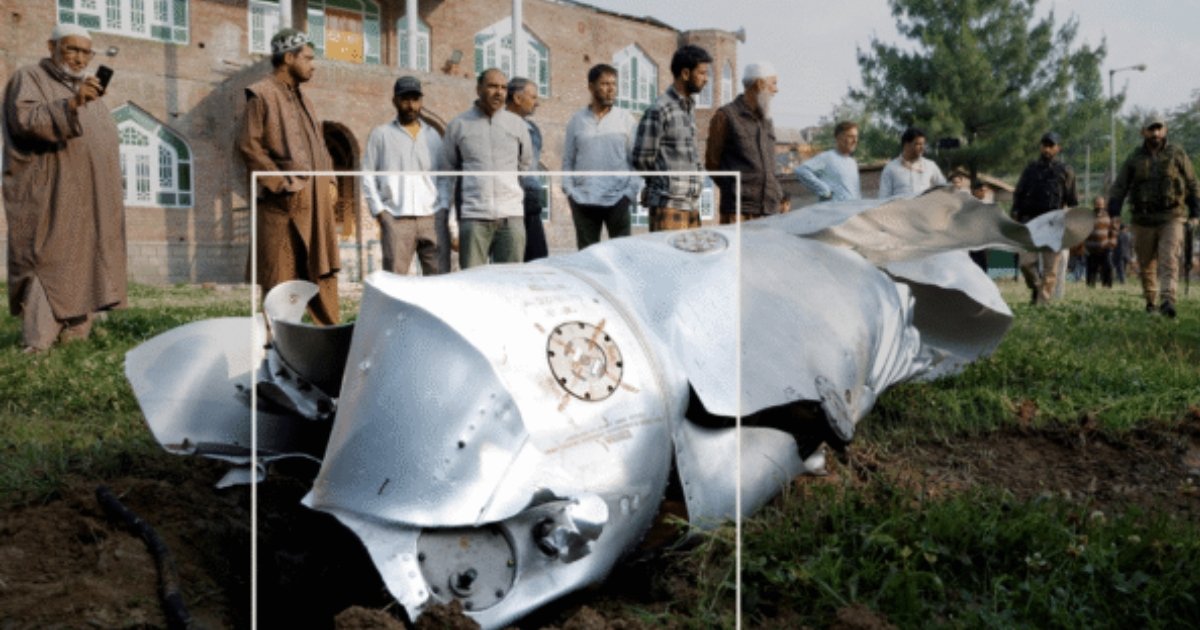
A recent analysis highlights a critical turning point in Indo-Pakistani relations, specifically focusing on the aerial engagement of May 2025. The incident, which saw the Pakistan Air Force (PAF) downing seven Indian Air Force (IAF) aircraft, including advanced Rafale fighters, serves as a stark reminder that technological superiority alone does not guarantee battlefield success.
Years of strategic vision, indigenous innovation, and network-centric warfare preparedness enabled the Pakistan Air Force to secure a defining triumph in Marka-e-Haq.#PakistanAirForce #MarkaEHaq #StrategicVision #IndigenousInnovation #PakistanTV pic.twitter.com/dHK4Z4vDn2
— Pakistan TV (@PakTVGlobal) May 7, 2026
The article recalls the 2019 India-Pakistan crisis, where the PAF’s tactical victory despite India’s advantages in fleet size and resources, underscored the limits of conventional military dominance. Instead of thoroughly examining this lesson, there was a tendency within the IAF and the Indian government to emphasize the role of advanced platforms like the Rafale in shaping future outcomes.
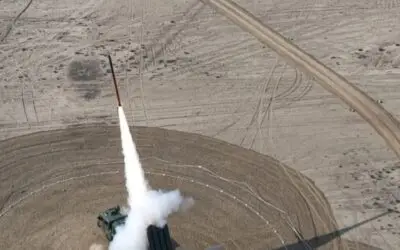
However, the 2025 air battle exposed the flaws in these assumptions. Misjudgments about the PL-15 missile’s engagement range, coupled with underestimations of the PAF’s capabilities and strategic thinking, led to a significant setback for the IAF. The PAF’s effective use of networked “kill chains,” which integrated radar systems, airborne warning systems, and data links, overwhelmed the IAF’s situational awareness and coordination.
The aftermath of the engagement saw indirect acknowledgments of the losses from within the Indian military leadership, with a shift towards stand-off weapons suggesting an inability to contest the PAF’s air dominance.
This event provides a crucial lesson, echoing historical examples from the Vietnam War to the hypothetical US-Israel-Iran War of 2026. It emphasizes that wars rarely unfold as anticipated and that assumptions of rapid military victory can prove unsustainable. For India, and for the stability of nuclear South Asia, internalizing these lessons is paramount to preventing future escalations in the region.
You May Like To Read: Air Chief: PAF Displayed Capability, Resilience, Dominance in Marka-e-Haq
Check out our latest video: