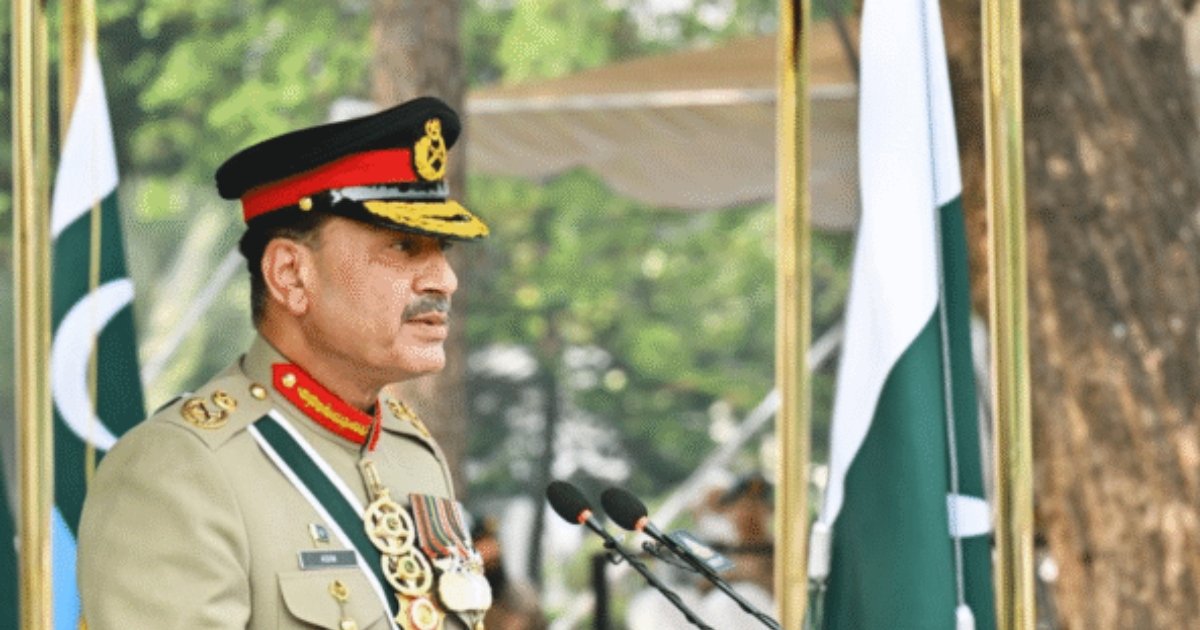
ISLAMABAD — The outbreak of the US-Israel-Iran war on February 28, 2026, placed Pakistan’s military leadership in an extraordinary geopolitical position. As the conflict severely disrupted global energy corridors—specifically the vital Strait of Hormuz—Pakistan emerged as the primary, official mediator trusted by both Washington and Tehran. At the center of these sensitive negotiations is Pakistan’s Chief of Defense Forces and Army Chief, Field Marshal Syed Asim Munir, who has engaged in intense shuttle diplomacy to prevent a catastrophic regional escalation.
Key Operational Highlights
- The April Truce: Field Marshal Asim Munir successfully brokered a temporary ceasefire on April 8, 2026, halting active hostilities between Washington and Tehran.
- Historic Islamabad Talks: Served as the central architect for the mid-April face-to-face peace talks in Islamabad, marking the highest-level diplomatic engagement between the US and Iran since 1979.
- Direct Influence on the White House: Personally requested and secured an extension of the strike moratorium from US President Donald Trump on April 21, 2026, to preserve the negotiation window.
- Overnight Breakthrough in Tehran: Conducted an intensive 24-hour intervention in Tehran from May 22–23, 2026, to salvage deadlocked talks using a modified US interim peace framework.
The Strategic Timeline: From War to Backchannel Peace Talks
Following joint US-Israeli military strikes and the subsequent closure of the Strait of Hormuz on February 28, Gen Munir utilized quiet military backchannels to secure an initial ceasefire on April 8. He immediately followed the truce with a three-day mission to Tehran to lay the groundwork for direct negotiations with Iranian President Masoud Pezeshkian, Parliament Speaker Mohammad Bagher Qalibaf, and Foreign Minister Abbas Araghchi.
This paved the way for the historic mid-April Islamabad Talks, where Gen Munir personally received US Vice President J.D. Vance. When those talks deadlocked, Gen Munir and Prime Minister Shehbaz Sharif successfully convinced President Trump to extend the strike deadline. Most recently, from May 22–23, Gen Munir and Interior Minister Mohsin Naqvi executed a critical 24-hour push in Tehran, reviewing a narrow, 30-day localized interim framework.
Navigating the Geopolitical Matrix: Core Friction Points
The core of Field Marshal Asim Munir’s shuttle diplomacy revolves around a highly complex matrix of demands from both superpowers:
-
The Sticking Points: Bargaining has narrowed down to the phased reopening of the Strait of Hormuz, the lifting of the US naval blockade on Iranian ports, mechanisms for targeted sanctions relief, and international guarantees against renewed Western military actions.
-
The Iranian Position: In late-night sessions with Gen Munir, Iranian officials insisted that any final agreement must strictly respect Iran’s “Fourteen-Point Plan” and nuclear sovereignty, warning that a breach of the truce would invite devastating consequences.
-
The United States Position: Concurrently, US Secretary of State Marco Rubio acknowledged “slight progress” through the Pakistani-led track, but cautioned that Washington is preparing secondary military options if a definitive breakthrough is not reached.
Analyst Defense Insight: International security analysts note that Gen Munir possesses a rare combination of geopolitical cards. As a veteran intelligence chief and former military attaché to Saudi Arabia, he commands deeply cultivated networks across both Western intelligence agencies and the Middle Eastern security apparatus. This grants him the unique institutional authority required to maintain transparent, trusted access to Tehran’s supreme decision-making circles while directly coordinating with the White House.
The Inter-Services Public Relations (ISPR) recently confirmed that the conclusion of the May 23 meetings yielded “encouraging progress towards a final understanding”. While deep disagreements remain, Pakistan’s military-led diplomacy has effectively kept both nations away from the brink of total regional war.