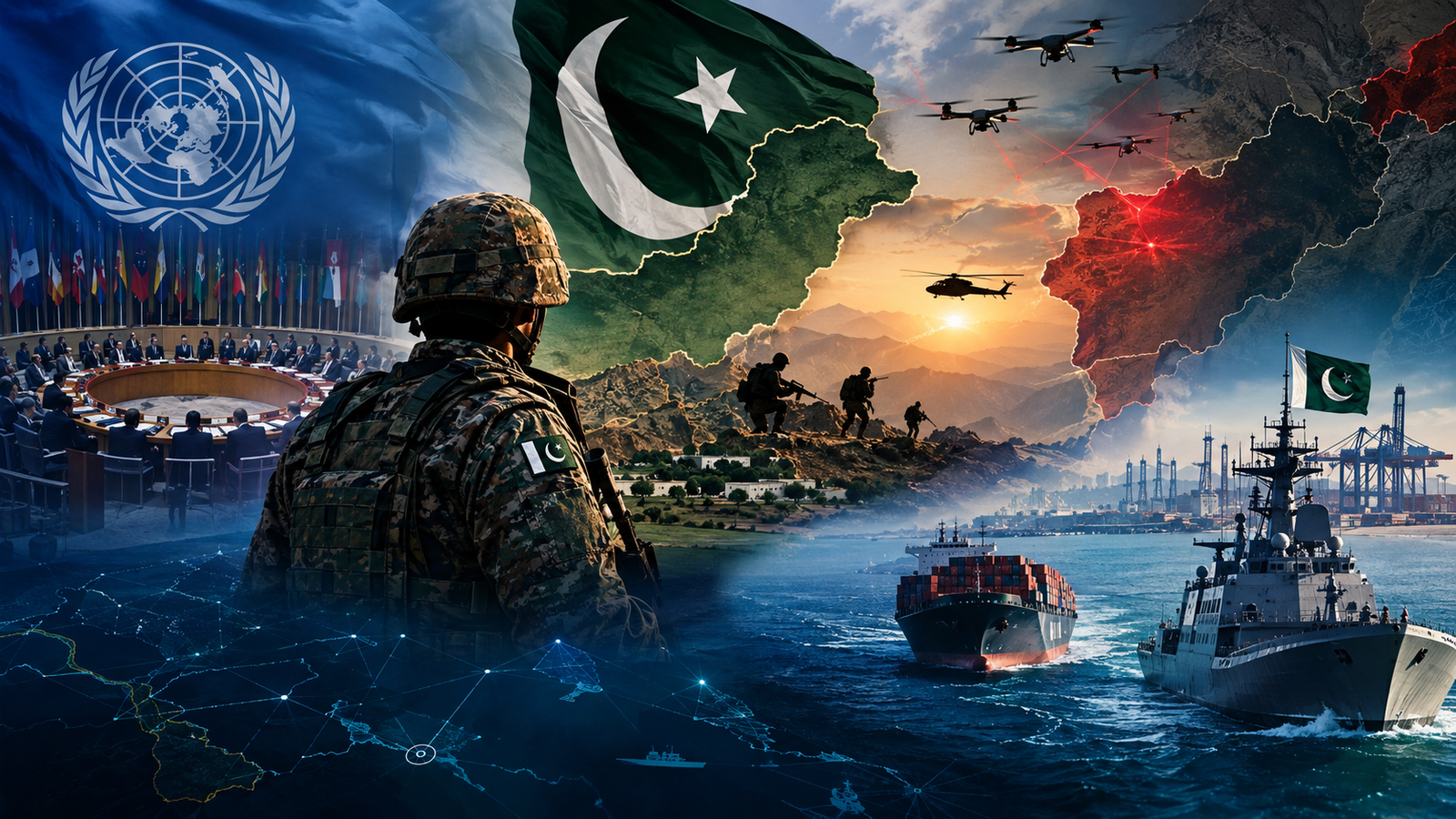
Three major events—UN Statement, Prime Ministerial Message on Maritime Security, and Border Skirmish—happened in the last 48 hours; apparently, they seem unconnected. When read together, they collectively describe a state’s reaction to the pressure it is facing on different fronts, i.e., diplomatic, maritime, and territorial.
World Condemns Kohat Attack
United Nations Security Council, in a statement issued on September 26, 2026, condemned the September 18 terrorist attack on Kohat’s Old Police Lines. The UNSC called it “heinous and cowardly.” The responsibility for the attack has been claimed by Hafiz Gul Bahadur-led Ittehadul Mujahideen, in which 23 innocent people lost their lives—17 policemen and 6 civilians. In Kohat, a vehicle bomb struck a mosque during Friday prayers; it was followed by gunmen storming police facilities. Security forces eventually killed all eight attackers.
The UNSC condemnation is being discussed for its language. The UNSC underscored the need to hold the “perpetrators, organizers, financiers and sponsors” accountable, and urged all other states to cooperate with Pakistan to this effect. The phrasing of the statement by the UNSC, and in particular this phrase, acknowledged what Pakistan has been arguing for a very long time. The strings of these terrorists are in the hands of ‘sponsors.’ These terror attacks are not solely the whim of the men who carry them out, but of a broader network that is financing and sheltering these terrorists. The Council President was France’s Jérôme Bonnafont; therefore, his words add more diplomatic weight to the statement.
UN SECURITY COUNCIL PRESS STATEMENT ON TERRORIST ATTACK IN KOHAT, KHYBER PAKHTUNKHWA, PAKISTAN
The following Security Council press statement was issued today by Council President Jérôme Bonnafont (France).
The members of the Security Council condemned in the strongest terms…
— Permanent Mission of Pakistan to the UN (@PakistanUN_NY) September 23, 2026
Chief of Defense Forces (CDF) and Chief of Army Staff (COAS) Field Marshal Asim Munir, during his visit to the Peshawar Corps headquarters, reiterated the commitment to eradicate the menace of terrorism. CDF stated that the armed forces remained “resolute in defeating terrorism and ensuring lasting peace and stability.” The international community now realizes that Pakistan’s complaints were factual. The terrorists are infiltrating and attempting to destabilize Pakistan by seeking support from their sponsors who are implicitly supporting these militants. The resolve of Security Forces to hunt them down remains sky-high.
Pakisan Keeps Striking Back
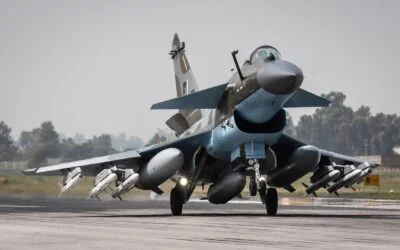
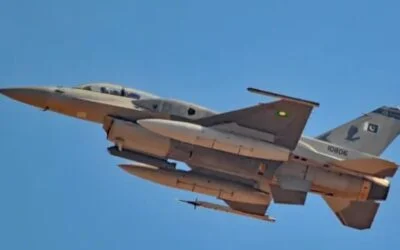
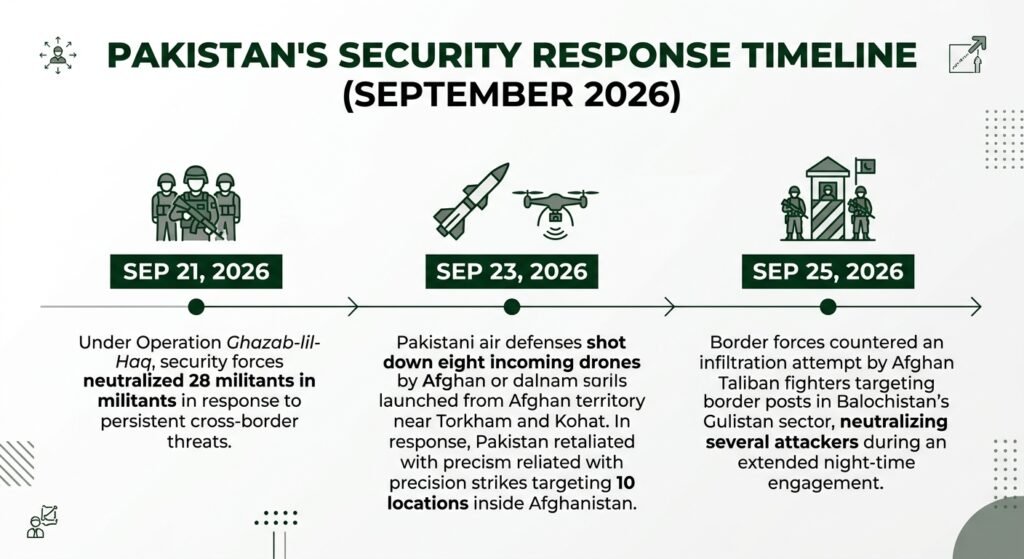
International statements and diplomatic pressure are not enough to stop the militants. Therefore, Islamabad decided that a firm kinetic response was imminent. On September 21, 2026, as part of the ongoing Operation Ghazab-lil-Haq, 28 terrorists were neutralized.
On September 23, 2026, eight drones were launched from the Afghan side; they entered the Pakistani airspace near Torkham and Kohat. They were shot down. The response from Islamabad was intense; 10 locations inside Afghanistan were struck in return.
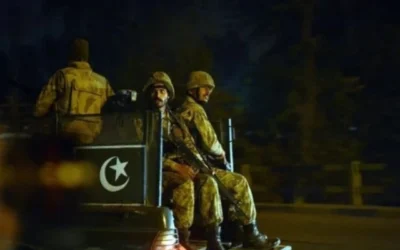
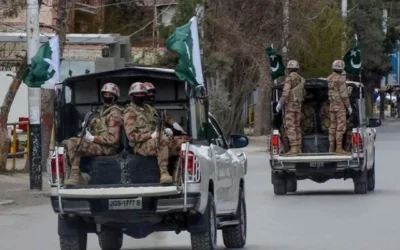
On September 25, 2026, Pakistan’s Security Forces responded to the “act of aggression” after Afghan Taliban Fighters tried to infiltrate into Balochistan’s Gulistan sector and targeted the border posts. Several terrorists attempting to infiltrate into Pakistan were neutralized in the gunfire that continued past midnight.
Afghan Taliban, Al-Qaeda, and TTP Nexus
A UNSC-mandated monitoring team reported that the Afghan Taliban continued to support TTP; the former’s support has enabled the latter to carry out more sophisticated, deadlier, and more frequent attacks inside Pakistan. The report also stated that operational links between TTP, Al Qaeda, ISIL-K and the Baloch Liberation Army were growing.
Deputy Prime Minister and Foreign Minister of Pakistan raised exactly this concern at the OIC conference earlier this month. He termed the presence of at least 24 terrorist groups on Afghan soil as a serious threat not only to Pakistan but to regional peace as well. Pakistani forces have been holding the line and border, which, as per international monitors, is increasingly contested.
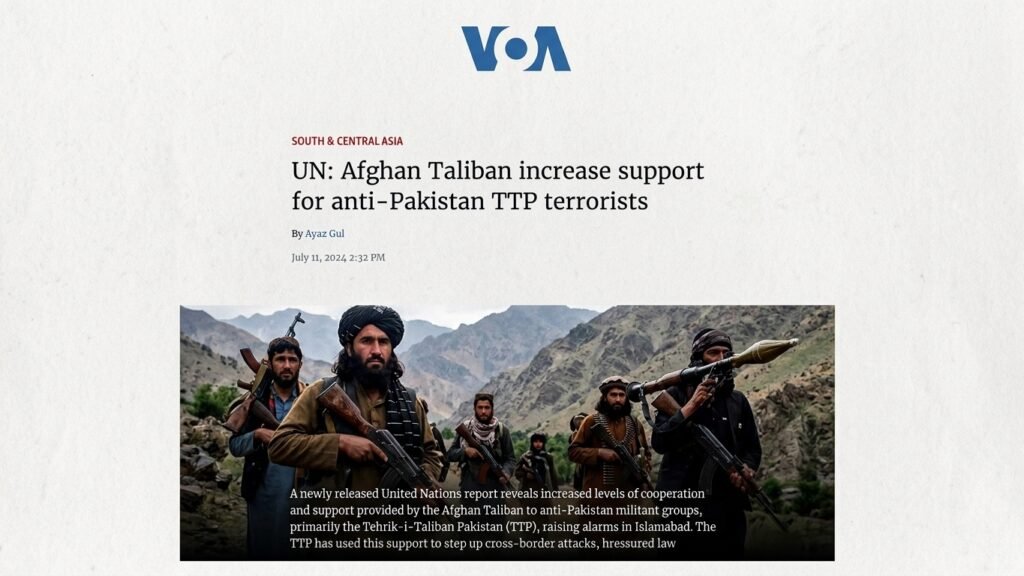
Afghan Taliban, Al-Qaeda, and TTP Nexus Reported by VOA
Defending the Waters
Defense is not limited to the land; it extends to the waters as well. Prime Minister of Pakistan, on the occasion of World Maritime Day, reaffirmed commitment to strengthening maritime safety and security. This is central to the flourishing of trade, defense linkages, and the blue economy. He reiterated Islamabad’s alignment with International Maritime Organization standards—and commitment to digital modernization, smart shipping, integrated port systems, AI-driven monitoring, and stronger cybersecurity as part of Pakistan’s Vision 2047. It asserts the Government’s resolve that security commitments are not limited to its coastline; rather, they extend.
Conclusion
Pakistan’s security forces are engaged in a multi-front battle. The militants are operating from Afghan soil, cross-border infiltrations are being deterred, and the trade routes and coastal infrastructure are being protected to keep the economy up and running. This week demonstrated the resolve of the state on every front; be it protecting their lands, waters, or exerting diplomatic pressure, they have been doing it all. Resolve was tested this week on multiple fronts, and it held.