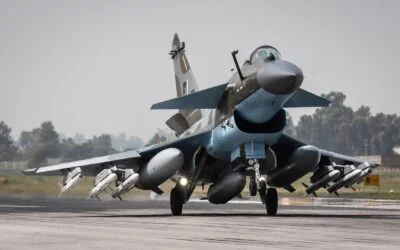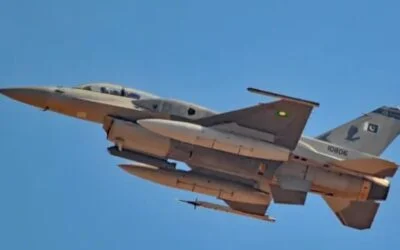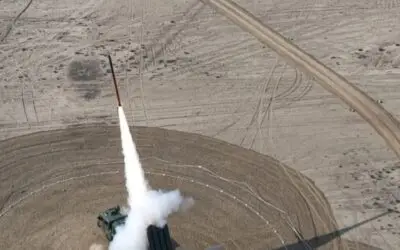
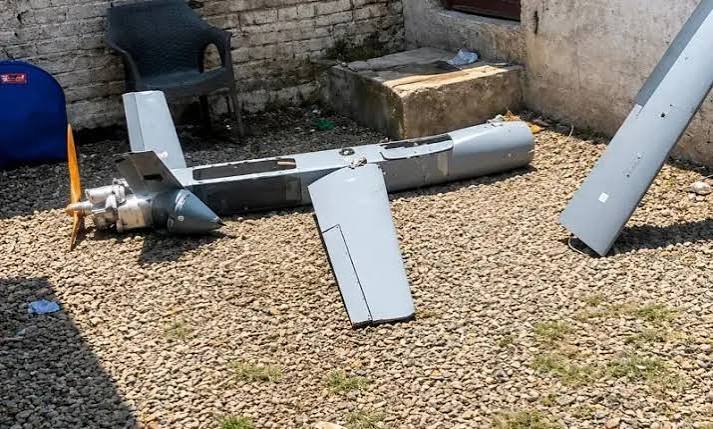
The Pakistan Air Force (PAF) and border air defense systems have successfully intercepted and neutralized multiple rudimentary Afghan drones that violated Pakistani airspace over the last 24 hours. The state-run fact-checking agency, @FactcheckerMoIB, simultaneously dismissed official claims from Kabul regarding alleged aerial strikes inside Pakistan as entirely false.
According to military and local administration officials, two low-altitude, rudimentary drones cross-entered Pakistan’s airspace from Afghanistan into Balochistan. They were promptly intercepted and shot down by Pakistani fighter aircraft over the Gulistan area of Qila Abdullah and an old Afghan refugee camp in Chagai. Separately, a third unmanned aerial vehicle (UAV) intruding near Shinko in the Khyber district of Khyber Pakhtunkhwa (KP) was neutralized by an alert integrated air defense network. Security forces have secured the wreckage of the downed craft for technical analysis.
The airspace violations follow statements issued by the Afghan Taliban regime’s defense ministry claiming its air forces targeted active terrorist hideouts inside Balochistan and KP overnight. Pakistan’s federal information ministry strongly refuted the assertion, clarifying that no external strikes occurred and that the narrative was an artifact of state propaganda.
CRITICAL ANALYSIS
The recent drone incursions mark a significant, highly sensitive escalatory phase in the ongoing border friction between Pakistan and the Afghan Taliban administration. By shifting from traditional cross-border shelling or proxy activity to the deployment of physical, albeit rudimentary, aerial platforms, Kabul is testing the operational readiness and thresholds of Pakistan’s air defense grid. The immediate, kinetic response by the PAF serves as a firm tactical signal that airspace integrity remains an absolute red line for Islamabad.
From a strategic perspective, the conflicting narratives highlight a deepening information warfare campaign between the two neighbors. The Taliban’s public claims of striking “terrorist camps” represent an attempt to flip the diplomatic script on Pakistan, mimicking counter-terrorism justifications to shift international scrutiny away from their own domestic governance.
Conversely, Pakistan’s swift public exposure of the downed drones via MoIB aims to solidify its position that the Taliban regime continues to harbor and patronize globally banned entities—such as Daesh (ISIS-K) and Fitna Al Khawarij (TTP).
This aerial escalation occurs less than two weeks after Pakistan executed targeted, retaliatory counter-terror operations along the border, which eliminated 26 militants. With both sides dug into uncompromising strategic positions, the border dynamic has evolved beyond simple border management into an active, low-intensity conflict.
The primary risk moving forward is an unintended escalation loop; as rudimentary cross-border drone incursions continue to fail tactically against sophisticated air defenses, the threat of heavier, conventional military miscalculations along the Durand Line grows exponentially.