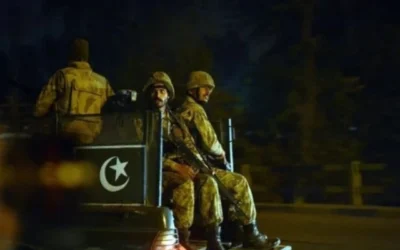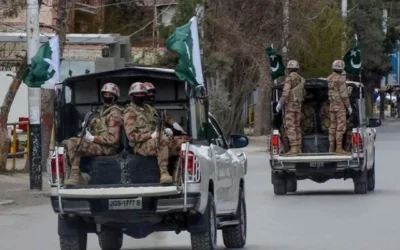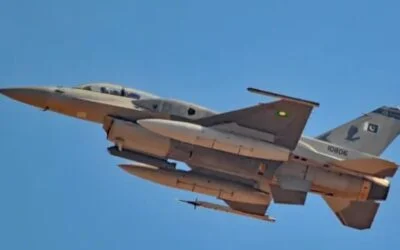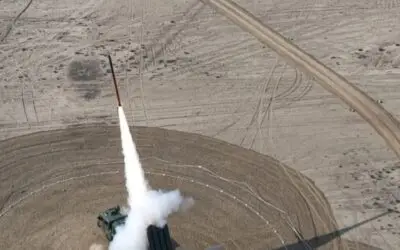
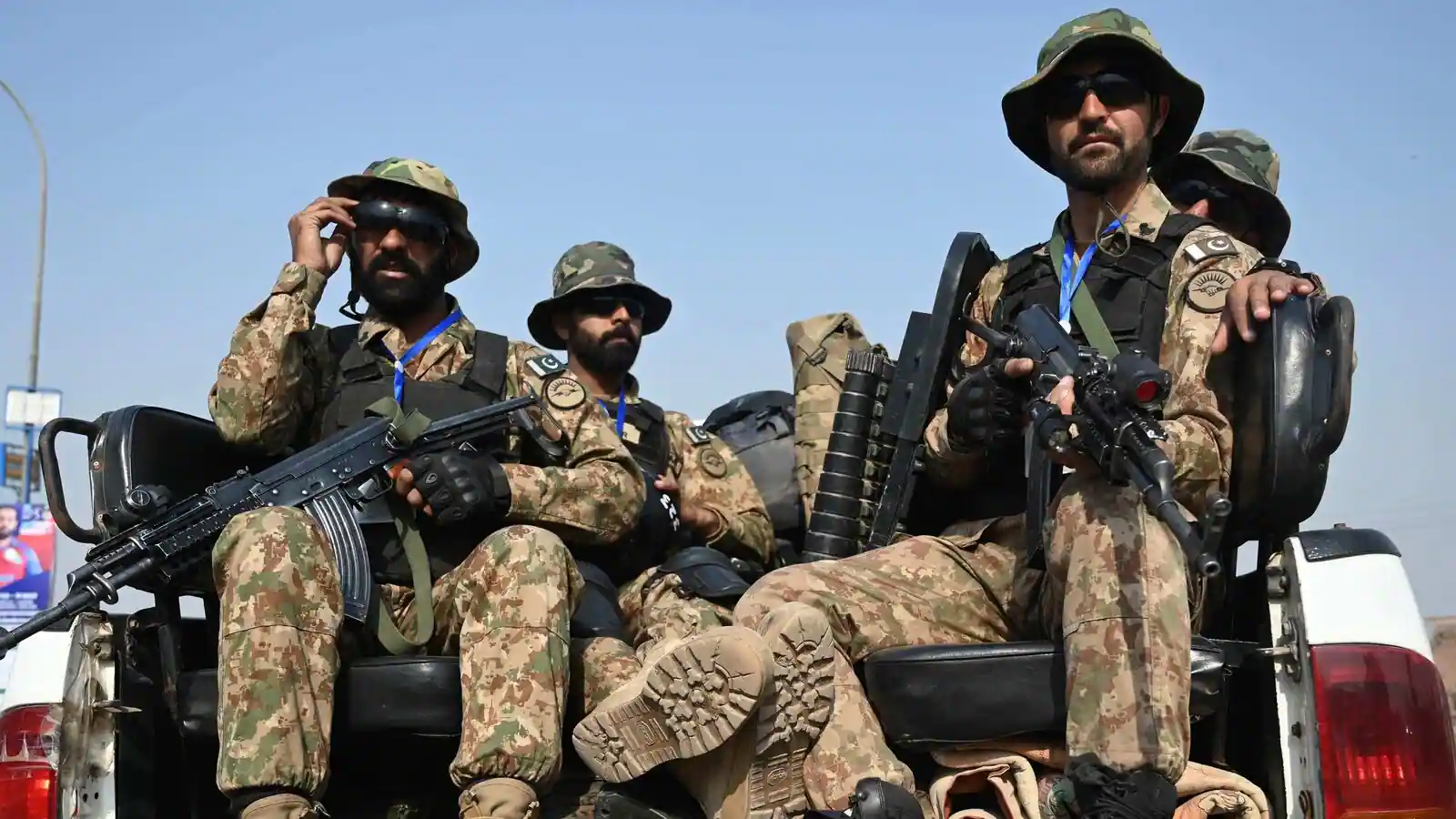
Security forces operating across Khyber Pakhtunkhwa (K-P) have significantly escalated intelligence-based operations (IBOs) under Operation 11 Garaj, a sustained counter-terrorism offensive launched over two months ago to purge the province of militant networks.
According to security sources and state media, recent targeted raids across Bajaur, Khyber, and Hangu districts resulted in the elimination of numerous high-value targets belonging to Fitna al-Khawarij—the official state designation for the banned Tehreek-e-Taliban Pakistan (TTP)—alongside the destruction of key operational hideouts and arms caches.
In Khyber Pakhtunkhwa, security forces are continuing Operation 11 Garaj, killing several Khawarij and destroying their hideouts.@OfficialDGISPR #News #RadioPakistan https://t.co/YlOUEaoGL9 pic.twitter.com/yMkYgOz6Dy
— Radio Pakistan (@RadioPakistan) August 2, 2026
High-Impact Operational Outcomes & Target Neutralization
Recent IBOs conducted under the Operation 11 Garaj framework have targeted strategic strongholds using coordinated ground maneuvers and aerial surveillance:
-
Elimination of Hangu Check Post Mastermind: Security personnel killed key Khawarij commander Muawiya during an IBO in the Chapri Naryab area of Hangu district. Muawiya, ranking directly beneath Commander Kazim, was identified as the principal mastermind behind the July 30 assault on a Hangu police check post that martyred nine police personnel—including Deputy Superintendent of Police (DSP) Diyar Khan—and injured 28 others.
-
Targeted Raids in Bajaur and Khyber: In separate engagements, forces eliminated two militants in the Shakro area of Bajaur district while killing eight others in the Darbi Khel and Batan areas of Khyber district.
-
Prior Operational Successes: The latest actions follow a series of high-intensity engagements, including an IBO in Razmak that killed five hostile operatives, and a major operation in Khyber district on July 29 that resulted in 24 militant fatalities.
-
Apprehension of Facilitator Networks: Beyond kinetic eliminations, security forces dismantled support structures by arresting dozens of local facilitators, seizing large caches of automatic weapons and ammunition, and neutralizing improvised explosive devices (IEDs).
Technical Tactics: Ground-Air Synchronization and Civilian Safety
Security sources emphasize that Operation 11 Garaj relies heavily on real-time intelligence and modern aerial integration:
-
Quadcopter-Assisted Surveillance: Operations leverage quadcopter drone technology paired with ground force precision, systematically flushing militants out of populated sectors into rural interdiction zones.
-
Collateral Mitigation Protocols: Tactical parameters require security units to isolate engagement sectors, ensuring the protection of local civilian lives, property, and civil infrastructure during heavy firefights.
-
Sustained Operational Mandate: Defense leadership reaffirmed that clear-and-hold operations will continue uninterrupted across K-P until complete territorial clearance is achieved and lasting administrative control is restored.
UNSC Report Highlights Rising Threat Environment and Advanced Weaponry
The intensified provincial campaign takes place against the backdrop of heightened regional security threats outlined in a recent United Nations Security Council (UNSC) monitoring report:
UNSC Threat Assessment Metrics:
- Cross-Border Smuggling: Rapid acquisition of advanced military-grade hardware
- Tactical Capabilities: TTP deployment of night-vision devices, thermal optics, & attack drones
- Operational Inter-Linkages: Tactical resource-sharing between TTP, BLA, and ISIL-K
- CPEC Targeting: Continued BLA asymmetric strikes on infrastructure and security convoys
-
Cross-Border Arms Proliferation: The UNSC report documented that militant factions in Afghanistan continue to procure advanced military-grade equipment via black-market channels. Identified hardware used by TTP forces includes night-vision optics, thermal imaging suites, high-precision sniper systems, and weaponized drone platforms.
-
Strategic Coordination Among Militant Factions: UN member state assessments revealed operational overlap between the TTP, the Baloch Liberation Army (BLA), and ISIL-K, including shared training infrastructure, joint logistics, and tactical consultation among field commanders.
-
High-Volume Asymmetric Attacks: The report cited major insurgent actions in the region, including a September 2025 BLA ambush on a military convoy along a China-Pakistan Economic Corridor (CPEC) transit route that resulted in 32 troop casualties, underscoring persistent threats to strategic economic corridors.
Strategic Analysis: Dissecting ‘Operation 11 Garaj’ and Border Security
The sustained momentum of Operation 11 Garaj illustrates a broader recalibration of Pakistan’s internal defense architecture:
Shift Toward Tech-Enabled Counter-Insurgency
The systemic integration of quadcopter surveillance with fast-response ground units marks a move away from sweeping, high-friction military deployments toward surgical, intelligence-led enforcement. By using aerial assets to monitor escape routes and pinpoint concealed positions in rugged terrain like Bajaur and Khyber, security forces minimize friendly casualties while accelerating the operational tempo against entrenched cells.
Neutralizing High-Value Command Nodes
Targeting senior operational coordinators like Muawiya serves to disrupt command-and-control structures within Fitna al-Khawarij. Interdicting mid-to-high-level commanders weakens localized cell coordination, impairs strategic planning for complex urban attacks, and destabilizes logistics networks operating across the Pak-Afghan borderlands.