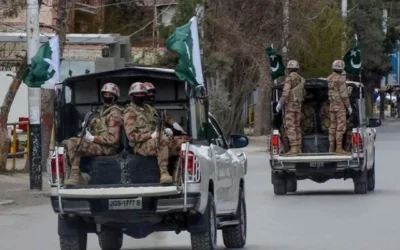
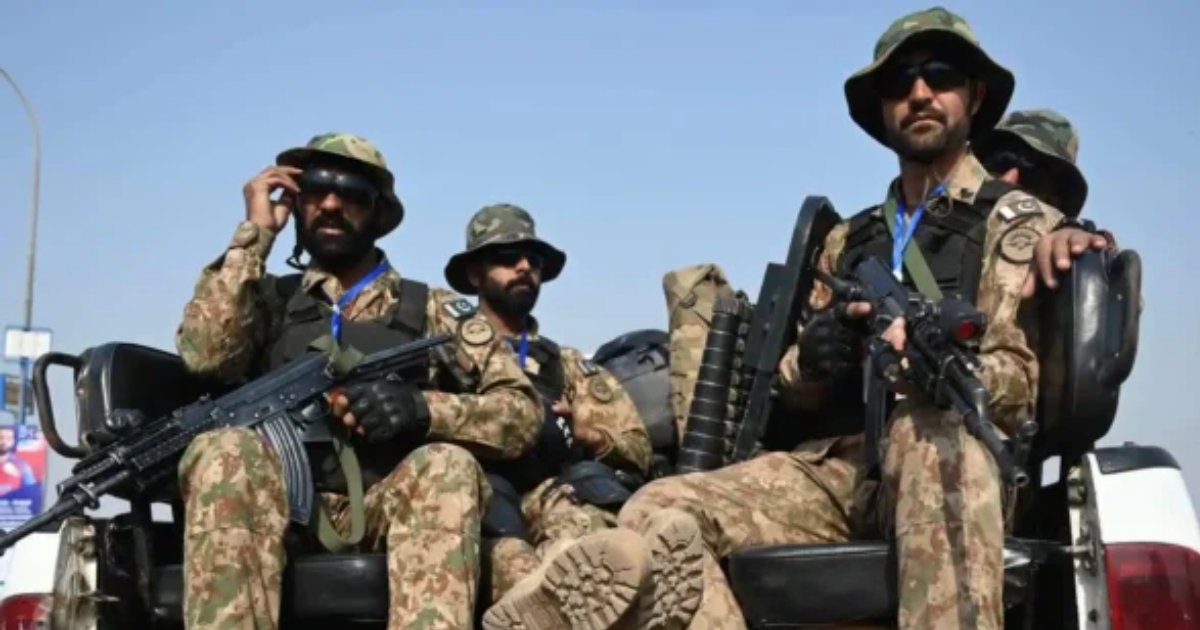
In one of the most significant kinetic actions executed under the revamped national security doctrine this year, Pakistan’s security forces have successfully eliminated 27 highly dangerous militants in the North Waziristan District. The targeted, multi-stage operations were carried out over a grueling 72-hour window based on actionable high-grade military intelligence.
Security forces have killed 27 Khwarij belonging to Indian-sponsored Fitna-al-Khwarij in continuation of a series of intelligence based operations in North Waziristan District during the last 72 hours@OfficialDGISPR #News #RadioPakistan https://t.co/eulCWTAOAq pic.twitter.com/iwIW1daWXL
— Radio Pakistan (@RadioPakistan) June 7, 2026
According to an official press release issued by the Inter-Services Public Relations (ISPR), the operational units systematically tracked and engaged multiple hidden militant locations within the strategically sensitive Miran Shah area of the district.
The military’s media wing confirmed that the targeted cell belonged to Fitna-al-Khwarij (formerly known as the Tehreek-e-Taliban Pakistan – TTP), an organization officially designated by state institutions as an internationally sponsored subversive entity. A substantial cache of advanced weaponry, communications gear, and military-grade ammunition was recovered from the neutralized hideouts.
Retribution for Malik Saifullah Dawar and the Miran Shah Command Structure
The high-stakes intelligence-based operations (IBOs) have effectively dismantled a major operational node responsible for a recent wave of urban terrorism and targeted assassinations in the tribal belt.
-
Justice for Slain Tribal Leadership: The ISPR underscored that by neutralizing this specific cadre of operatives, the state has successfully avenged the targeted assassination of prominent local tribal leader, Shaheed Malik Saifullah Dawar. Dawar, a respected elder who had vocally opposed illegal extortion campaigns and militant encroachment in Miran Shah, was martyred by the group in May 2026.
-
Ongoing Sanitization Sweeps: Tactical ground units, supported by specialized counter-terrorism squads, are currently executing meticulous sanitization operations across the rugged terrain of North Waziristan to flush out any remaining holed-up elements.
The operation marks a critical milestone in the ongoing, relentless counter-terrorism campaign spearheaded under the national vision “Azm-e-Istehkam” (Resolve for Stability), which aims to permanently clear the country’s border regions of foreign-supported proxy networks.
Critical Analysis: Kinetic Retribution, Narrative Shifts, and the Tactical Philosophy of Azm-e-Istehkam
The scale and swift execution of the 72-hour Miran Shah operations reveal the evolving security environment and the underlying strategic shifts driving Pakistan’s defense apparatus:
The Linguistic Strategy of “Fitna-al-Khwarij”
The explicit use of the term Fitna-al-Khwarij by the ISPR is a deliberate, highly calculated shift in narrative warfare. By moving completely away from using the group’s self-chosen name (Tehreek-e-Taliban Pakistan), the state is stripping the militants of any religious or political legitimacy.
In Islamic history, the Khwarij represent a radical, outcasted faction known for theological deviation and rebellion against established authority. By institutionalizing this terminology across state media, the military apparatus frames the conflict not as a political dispute or an indigenous insurgency, but as a absolute religious and constitutional duty to eradicate violent deviants who threaten society.
Operationalizing Azm-e-Istehkam through Precision Intelligence
Unlike previous decade-long military campaigns in the tribal areas—such as Operation Zarb-e-Azb, which relied on massive population displacements, heavy artillery, and sweeping aerial bombardments—the current execution under Azm-e-Istehkam relies on localized precision.
The elimination of 27 militants in a single 72-hour window without causing any civilian collateral damage or triggering mass displacements shows the high level of maturity in local human intelligence (HUMINT) and signal interception networks. This precision approach allows the state to surgically neutralize threat networks while keeping local markets, transit corridors, and civil infrastructure in North Waziristan fully operational.
Protecting the Tribal Counter-Narrative and local Leadership
The targeted elimination of the cell that murdered Malik Saifullah Dawar addresses a vital vulnerability in the state’s regional stabilization blueprint. Militant groups frequently target influential pro-state tribal elders, peace committee leaders, and local politicians to create a vacuum of authority and terrify the civilian population into submission.
By prioritizing the elimination of Dawar’s killers within weeks of his martyrdom, the security apparatus is sending a clear psychological signal to the local population. This action demonstrates that the state possesses both the intelligence reach and the operational will to protect its allies, helping rebuild trust between local tribal structures and federal institutions.
Neutralizing the “Foreign-Sponsored” Proxy Nexus
The ISPR’s strong emphasis on the “Indian-sponsored” nature of the network highlights Pakistan’s ongoing concerns regarding sub-conventional warfare and regional proxy management. In institutional briefings, Pakistani intelligence services have consistently pointed to cross-border safe havens in neighboring territory where militants receive financial support, logistical coordination, and advanced training to conduct attacks inside Pakistan.
By dismantling this high-value cell in Miran Shah, the military is directly cutting off a primary frontline tool used by hostile external agencies to disrupt key national development projects, economic corridors, and regional investment stability.