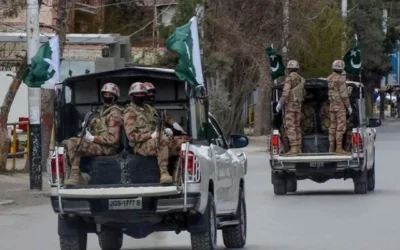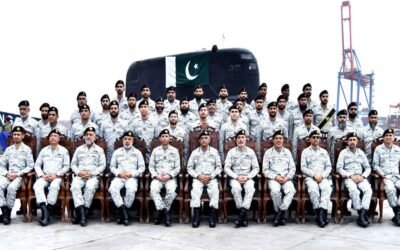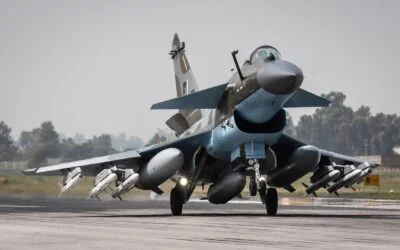

Security forces have killed 32 terrorists during extensive joint counter-terrorism operations across Khyber Pakhtunkhwa (KP) and Balochistan over a 24-hour period, according to a statement released by the Inter-Services Public Relations (ISPR).
The intelligence-based operations were executed as part of the nationwide “Azm-i-Istehkam” vision, approved by the Federal Apex Committee on the National Action Plan, targeting foreign-sponsored militant networks.
Key operational highlights include:
Khyber District Operations (KP): Security forces conducted multiple intelligence-based area sanitization and targeted operations on July 28 and 29, resulting in the neutralization of 24 terrorists affiliated with the banned Tehreek-i-Taliban Pakistan (designated as Fitna al-Khawarij).
Nushki Intelligence Operation (Balochistan): An intense tactical engagement in Nushki district resulted in the elimination of eight militants belonging to designated Baloch separatist outfits (referred to as Fitna al-Hindustan).
Recovery of Arms and Materiel: Law enforcement personnel recovered and neutralized a cache of weapons, ammunition, and improvised explosive devices (IEDs) during sanitization sweeps.
Top leadership, including President Asif Ali Zardari, Prime Minister Shehbaz Sharif, and Interior Minister Mohsin Naqvi, commended the security forces for their high level of professionalism and operational success. State leadership reiterated that state-backed proxy networks aiming to disrupt national sovereignty and economic stability would be systematically dismantled.
Critical Analysis
The elimination of 32 militants in a single 24-hour operational window highlights the intensified kinetic tempo under the Azm-i-Istehkam framework. By simultaneously targeting religiously motivated insurgents (TTP / Fitna al-Khawarij) in the northwest and ethno-nationalist separatists (Fitna al-Hindustan) in the southwest, the military media wing is emphasizing a unified, non-discriminatory doctrine against armed anti-state actors.
From a strategic perspective, the official terminology used by the state explicitly ties internal armed groups to foreign backing—specifically external intelligence sponsoring—framing the internal security challenge within a broader regional geopolitical conflict.
While these high-yield intelligence-based operations demonstrate intelligence depth and rapid tactical response capabilities, kinetic attrition alone cannot permanently neutralize asymmetric threats. Long-term stability in KP’s border belt and Balochistan will require sustaining these tactical gains alongside civil administration reinforcement, socioeconomic integration, and strict border management to prevent cross-border sanctuary exploitation.