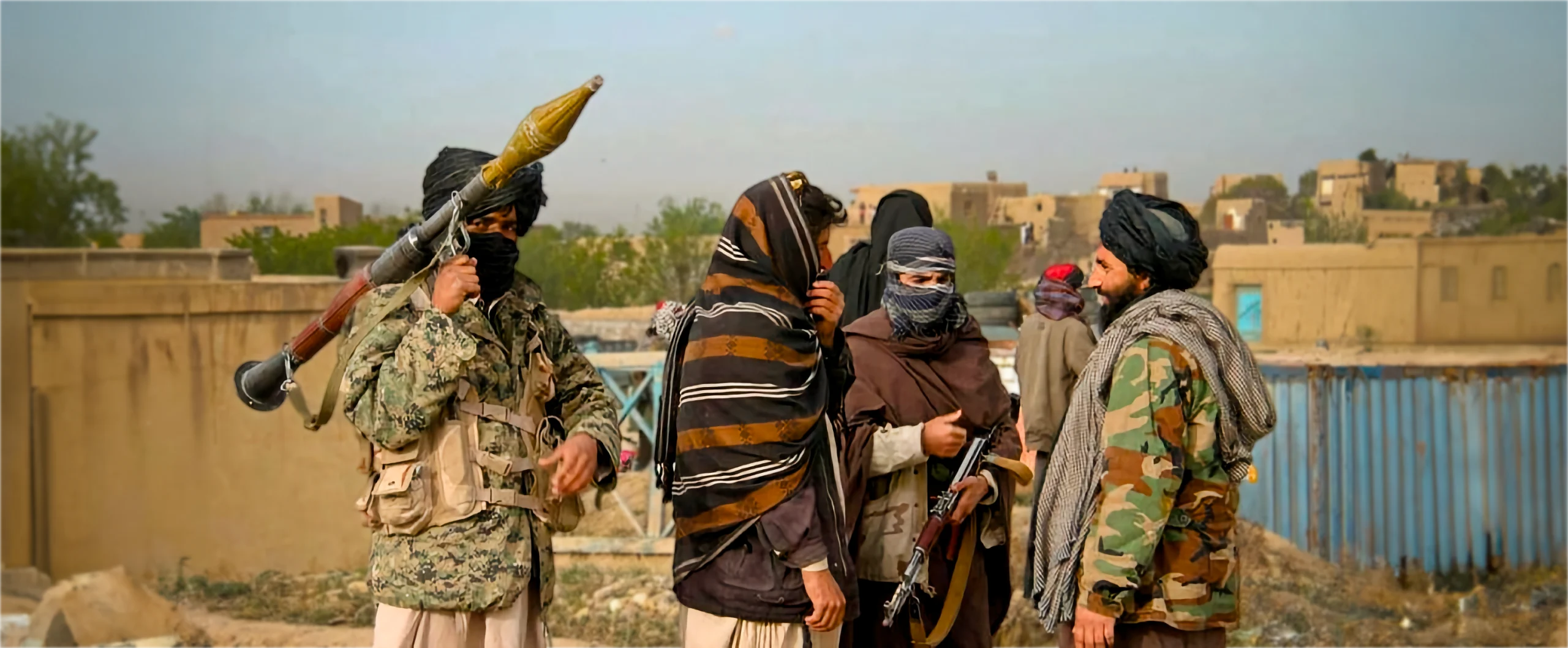
The first weeks of July 2026 have marked a critical inflection point in Balochistan’s security landscape. A series of highly coordinated attacks across the province has highlighted a sophisticated, evolving tactical playbook employed by banned militant groups, chief among them the Tehrik-e-Taliban Pakistan (TTP) and the Baloch Liberation Army (BLA).
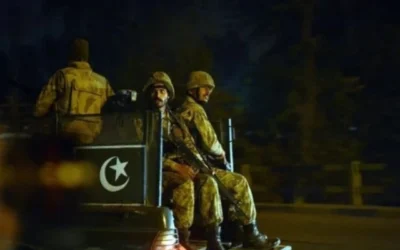
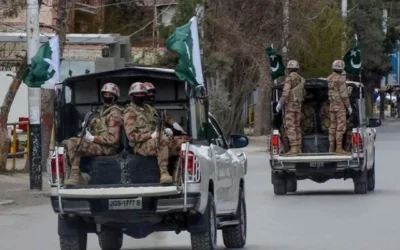
In response, Pakistan’s security forces—comprising the Pakistan Army, the Frontier Corps (FC) Balochistan, and the provincial police—have launched Operation Shaban. This high-intensity counterterrorism campaign has successfully targeted difficult mountainous hideouts, neutralizing 126 terrorists since July 5, including 88 in the rugged Shaban area of Harnai alone.
In Balochistan, security forces have killed three more terrorists during the ongoing Operation Shaban, being carried out jointly by the Pakistan Army, FC Balochistan and Police.@OfficialDGISPR #News #RadioPakistan https://t.co/y3hBuPnkHz pic.twitter.com/Vnq1e0Tem2
— Radio Pakistan (@RadioPakistan) July 16, 2026
An analysis of these recent events reveals that security forces are confronting a highly adaptable adversary utilizing new methods of asymmetric warfare.
Tactical Shift: Multi-Domain Ambushes and High-Altitude Kidnappings
The tragic events of July 4 in Hanna Urak and July 6 at the Mangi Dam project in Ziarat demonstrate a marked shift in how the TTP conducts its offensives. Rather than relying solely on hit-and-run sabotage, the group has transitioned to complex, multi-domain operations.
- Exploiting Rugged Topography
- Using Zarghoon Gar & Shaban peaks as staging grounds and evasion zones
- Specialized Abduction Units
- Moving hostages rapidly into deep, inaccessible mountain terrain
- Diversionary Logistics Attacks
- Sabotaging fuel transporters & food supply routes to isolate targets
The attack on the Mangi Dam police post was characterized by prolonged, heavy firefights designed to deplete local ammunition reserves before retreating into difficult terrain.
More concerning is the systematic deployment of specialized abduction and execution units. This was evidenced by the kidnapping of 18 police personnel from Ziarat, as well as the prior abductions of active and retired security personnel—including Airport Security Force (ASF) Inspector Zubair Ahmed and Counter Terrorism Department (CTD) official Khalil Ahmed—whose bodies were later recovered in the remote Shaban mountains.
By operating in these high-altitude terrains, militants attempt to use the natural geography as a shield against rapid ground responses.
The Blurred Frontier: TTP’s Territorial Expansion
Historically, the TTP’s operational footprint was largely concentrated in the northern Pashtun belt of Khyber Pakhtunkhwa. Balochistan’s security challenges, by contrast, were primarily defined by secular, ethnic-nationalist groups like the BLA operating in the southern and coastal districts.
That operational boundary has blurred significantly. The TTP has actively opened a second front, pushing deep into Balochistan’s northern districts—including Ziarat, Pishin, Harnai, and the valleys immediately surrounding the provincial capital, Quetta.
This dual-threat environment forces provincial security agencies to simultaneously counter two distinct militancies:
-
The TTP’s Religious Militancy: Characterized by high-casualty siege tactics, cross-border coordination, and ideological expansion in the northern districts.
-
The BLA’s Nationalist Insurgency: Focused on targeting infrastructure, logistics, and security convoys in the southern and coastal belts.
The simultaneous pressure from both groups represents a calculated effort to overextend local law enforcement resources across vast, geographically disconnected zones.
Exploiting Cross-Border Sanctuaries and Supply Lines
A critical element enabling the TTP’s sustained operations is its reliance on external sanctuaries. Pakistan’s state and security leadership have consistently pointed to the freedom of movement, training facilities, and safe havens enjoyed by TTP commanders inside neighboring Afghanistan.
These cross-border assets allow militant networks to plan complex operations, obtain modern weaponry left behind during the Western withdrawal from Kabul, and quickly retreat across the Durand Line when under pressure from Pakistani military operations.
While Pakistani security forces have carried out targeted operations along the border to disrupt these networks, the continuous inflow of fresh recruits and material support from across the border remains a primary driver of the group’s operational resilience.
Securing the Future: Reinforcing Local Defenses
The remarkable bravery of the local civilians in Hanna Urak—who stood their ground to repel TTP attackers on July 4—highlights the critical role of community resilience in counterinsurgency.
To permanently neutralize this evolving threat, Pakistan’s federal and provincial authorities are actively working to fortify local defenses. State Minister for the Interior Tallal Chaudhry confirmed that security protocols around high-value projects, such as the Saindak copper-gold mine and the Mangi Dam, have been heavily upgraded.
These measures include deploying dedicated Frontier Corps and military escorts for critical cargo, conducting continuous route clearance sweeps, and establishing hardened communication networks to ensure that even the most remote security posts maintain real-time linkups with rapid-response units.