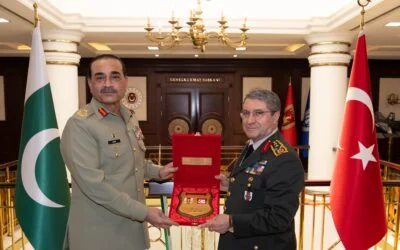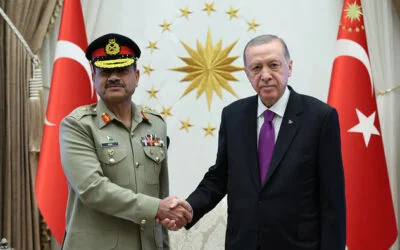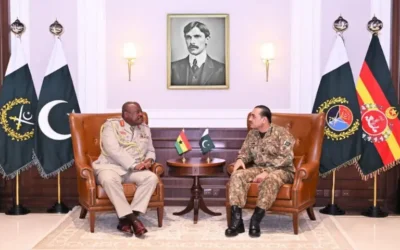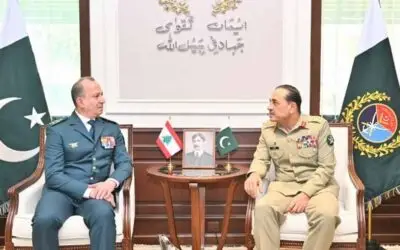
Pakistan’s foreign policy has long been influenced by its geostrategic location, complex regional dynamics, and enduring pursuit of national security. Within this framework, military diplomacy has emerged as a central pillar, enabling Pakistan to forge alliances, avoid strategic isolation, and advance broader foreign policy goals.
Through joint exercises, defense cooperation agreements, and high-level military engagements, Pakistan strategically leverages its armed forces to strengthen ties and enhance its international standing.
Forging Alliances through Defense Cooperation
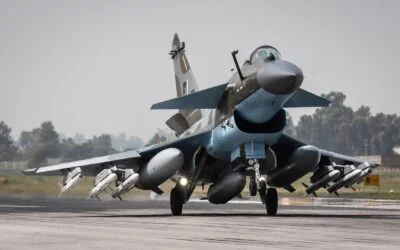
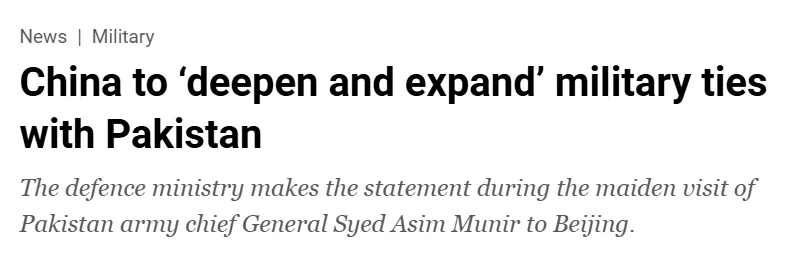
A defining feature of Pakistan’s military diplomacy is its long-standing partnership with China, described as an “all-weather strategic cooperative relationship.” This alliance has been reinforced through defense cooperation projects such as the co-production of the JF-17 Thunder aircraft, joint defense research, and continuous military-to-military exchanges.
Regular visits by senior military leaders and comprehensive defense agreements serve as cornerstones of this relationship, which provides Pakistan with strategic stability and a vital counterbalance in regional geopolitics.
Source: Al Jazeera
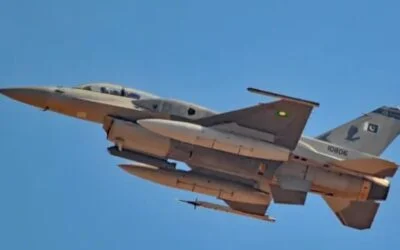
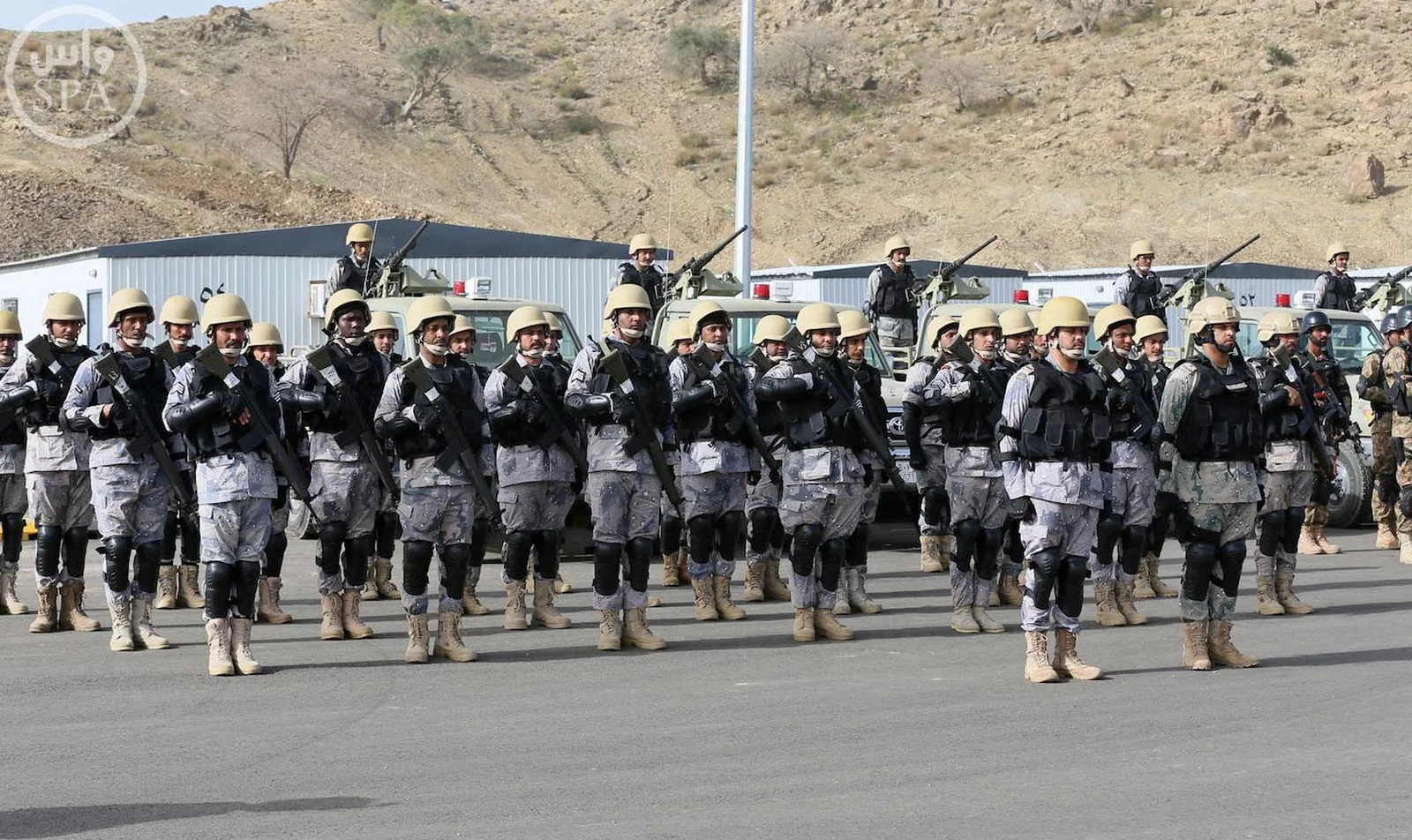
Beyond China, Pakistan maintains robust military ties across the Muslim world, particularly with Turkey, Saudi Arabia, and Gulf states. Joint exercises, including “Naseem Al-Bahr” (naval) and “Al-Saqoor” (air force) with Saudi Arabia, have enhanced interoperability and strengthened shared defense capabilities.
Pakistan’s defense cooperation also extends to emerging partnerships with Indonesia, Libya, and Central Asian Republics (CARs). These collaborations go beyond transactional exchanges, reflecting shared security interests and a collective commitment to stability.
Joint Exercises: Building Trust and Interoperability
Joint military exercises remain a cornerstone of Pakistan’s defense diplomacy. They improve combat readiness, enable the exchange of operational expertise, and build trust among participating forces.
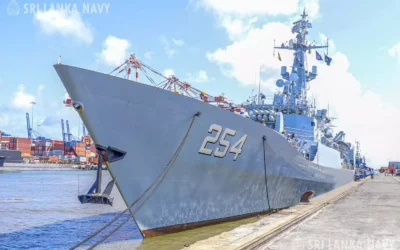
Pakistan hosts the biennial AMAN naval exercise, bringing together navies from multiple friendly nations to foster collaboration in maritime security. Bilateral engagements, such as the “Inspired Union” series with the U.S. Navy, focus on maritime interdiction and counter-piracy, underscoring Pakistan’s role as a responsible contributor to global security.
Source: Gulfif
The Pakistan Army Team Spirit (PATS) Exercise, featuring participants from countries including Saudi Arabia, Jordan, and the United States, further highlights Pakistan’s proactive role in promoting military-to-military cooperation in complex security environments.
Countering Strategic Isolation
Military diplomacy has also served as a diplomatic safeguard against strategic isolation. During the Cold War, alliances such as CENTO and SEATO brought Pakistan military aid and recognition. While those frameworks have shifted, Pakistan has consistently adapted, ensuring continued relevance on the global stage.
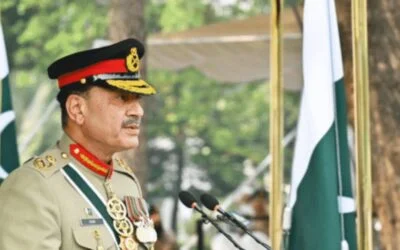
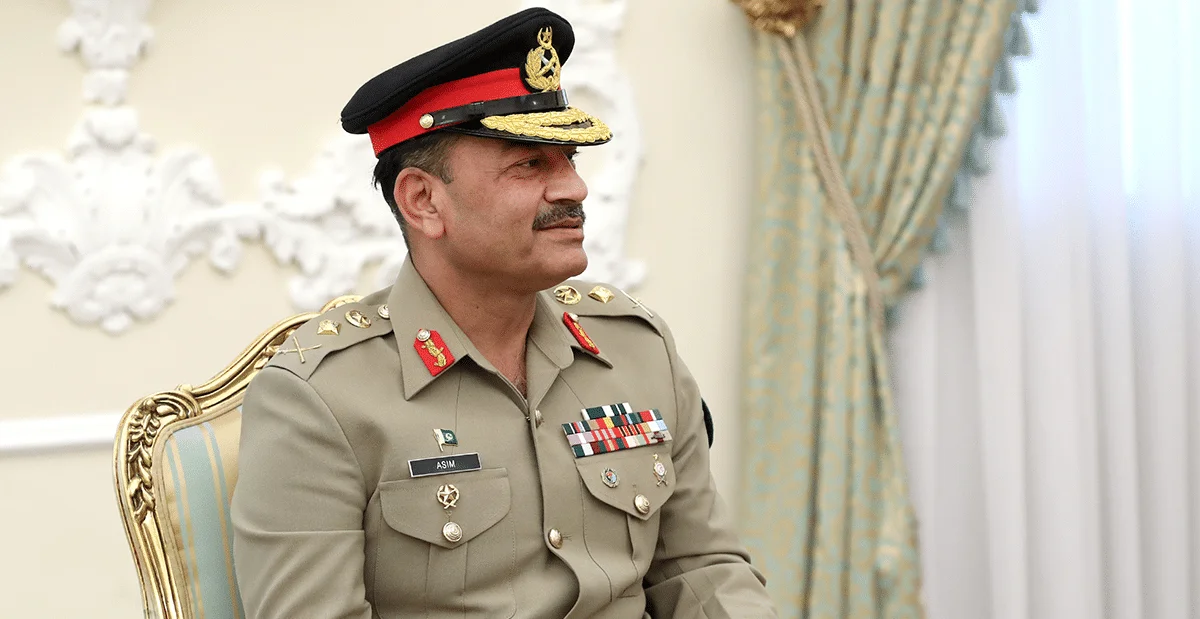
Recent years have seen Pakistan leverage regional crises to demonstrate balanced decision-making and diplomatic engagement. The unprecedented access of Pakistan’s Army Chief to top U.S. leadership, including meetings at the White House, reflects Pakistan’s continued strategic significance in international dialogue.
Additionally, Pakistan’s role as one of the largest contributors to UN peacekeeping operations highlights its enduring commitment to global peace and security, further strengthening its image as a professional and reliable actor in international affairs.
Conclusion
Military diplomacy remains an indispensable instrument of Pakistan’s foreign policy, complementing its political and economic engagements. By forging durable alliances, conducting high-profile joint exercises, and actively participating in international security platforms, Pakistan not only safeguards its national security but also strengthens its position as a stabilizing force in the region.
As the global order continues to evolve, Pakistan’s proactive military diplomacy will remain central to advancing strategic partnerships, promoting regional peace, and ensuring its role as a capable and responsible global actor.