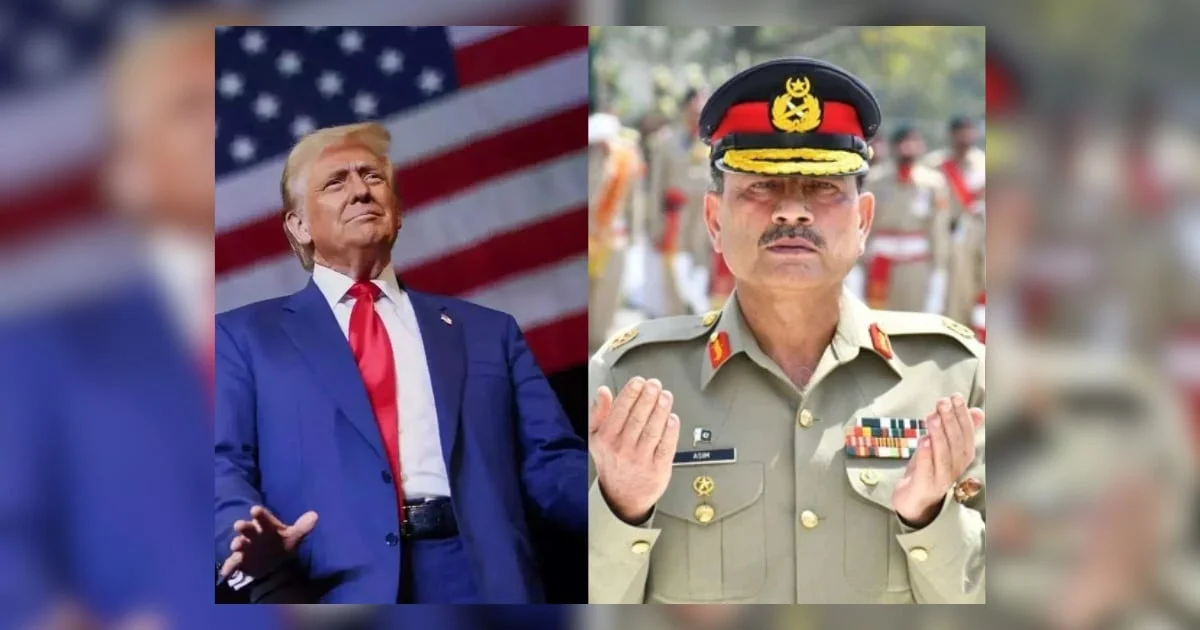
ISLAMABAD — August 2025 — Pakistan and the United States have entered a new phase of counterterrorism (CT) cooperation, signaling a revival of trust after years of strained relations. Analysts describe the development as a product of Islamabad’s strategic recalibration and Washington’s shifting regional priorities.
The recent Pakistan–U.S. Counterterrorism Dialogue in Islamabad reaffirmed both sides’ commitment to joint action against evolving threats. In a notable step, the U.S. State Department designated the Majeed Brigade of the Balochistan Liberation Army as a Foreign Terrorist Organization — aligning with Pakistan’s long-standing demand and lending credibility to the renewed CT framework.
🔊 PR No.2️⃣3️⃣9️⃣/2️⃣0️⃣2️⃣5️⃣
Pakistan-US Counter-Terrorism Dialogue Joint Press Statement https://t.co/6LFMV00s0a
🔗⬇️ pic.twitter.com/QKL4Vq5Ciu— Ministry of Foreign Affairs – Pakistan (@ForeignOfficePk) August 12, 2025
Policy Shift in Islamabad
Pakistan’s redefined approach toward Afghanistan — now treating the Taliban as an adversary rather than a cautious partner — has reshaped the security landscape. While this shift carries domestic and regional risks, it has opened space for closer coordination with Washington. Former CENTCOM Commander Gen. Michael Kurilla recently praised Pakistan as a “phenomenal partner in the world of counterterrorism,” underscoring U.S. recognition of Islamabad’s evolving role.
Practical Outcomes
The partnership is moving beyond rhetoric into action. U.S. assistance includes:
- Enhancing Pakistan’s legal and prosecutorial systems,
- Upgrading border security infrastructure,
- Training more than 300 police officers and first responders.
These initiatives aim to strengthen Pakistan’s institutional resilience against terrorism while supporting broader regional stability.
Outlook
Observers describe the trajectory as cautiously optimistic. While challenges remain, sustained cooperation will depend on continued policy alignment, institutional strengthening, and careful diplomatic balance. For now, both sides appear set on rebuilding a counterterrorism partnership shaped by mutual interests and shared security concerns.