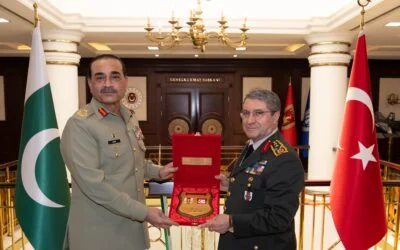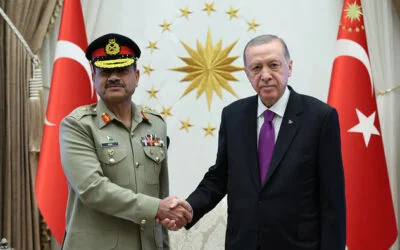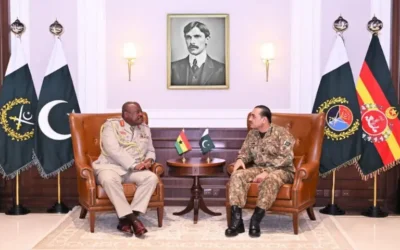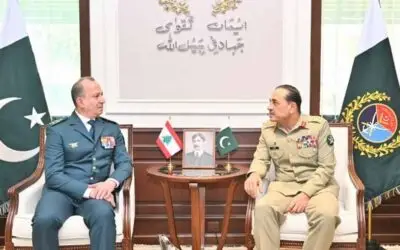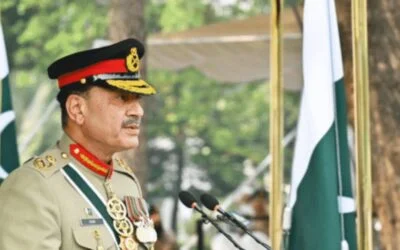
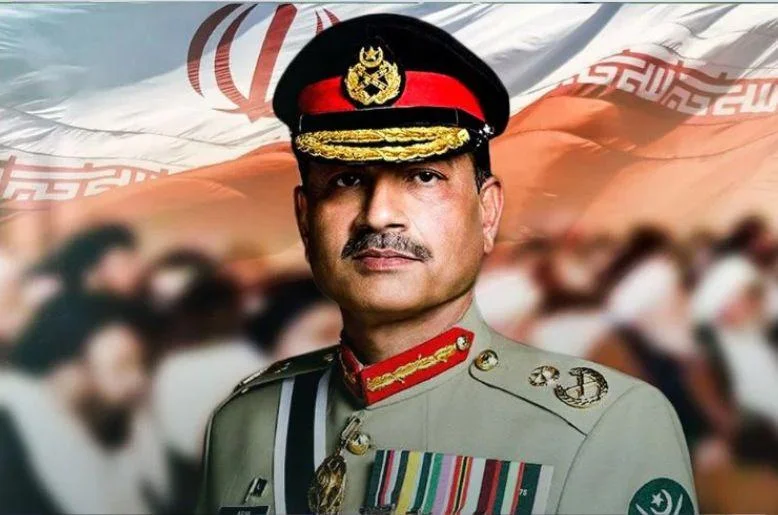
Islamabad, Pakistan — Field Marshal Asim Munir, Chief of Defence Forces and Chief of Army Staff, has played a central role in Pakistan’s high-level diplomatic efforts to prevent further escalation between the United States, Saudi Arabia, and Iran. Through a series of strategic engagements in March 2026, he has helped facilitate back-channel communication and urged all parties to return to dialogue and restraint. His involvement, alongside Prime Minister Shehbaz Sharif, reflects Pakistan’s commitment to acting as a responsible regional stabiliser while safeguarding its own security interests and supporting peace in the wider Muslim world.
BREAKING NEWS: White House CONFIRMS Trump talks with Field Marshal Syed Asim Munir on Iran conflict
The White House has confirmed that US President Donald Trump held discussions with Pakistan’s Field Marshal Asim Munir as part of sensitive diplomatic efforts to prevent war with… pic.twitter.com/Zeq9YchOUX
— SAMAA TV (@SAMAATV) March 24, 2026
Key Highlights
- Field Marshal Asim Munir held important meetings and calls with Saudi and US leadership to discuss de-escalation in the Middle East conflict.
- On March 7, he met Saudi Defence Minister Prince Khalid bin Salman in Riyadh to review Iranian attacks and joint defence measures.
- On March 12, he joined PM Shehbaz Sharif for a restricted meeting with Saudi Crown Prince Mohammed bin Salman in Jeddah.
- On March 22, he spoke directly with US President Donald Trump regarding an Iranian peace proposal and offered Islamabad as a neutral venue for talks.
- On March 23, Pakistan relayed specific messages from the Trump administration to Iranian President Masoud Pezeshkian.
Strong Defence Ties with Saudi Arabia
Field Marshal Munir’s meeting with Prince Khalid bin Salman on March 7 focused on the Strategic Mutual Defence Agreement signed last year. Both sides discussed practical steps to counter Iranian drone and missile attacks on Saudi territory and emphasised the need for Iran to show prudence to avoid a wider conflict. The Pakistani side reassured the Kingdom of full support under the treaty, which treats an attack on one as an attack on both. This engagement strengthened the already close military and strategic partnership between Pakistan and Saudi Arabia.
Direct Engagement with US Leadership
On March 22, Field Marshal Munir held a direct telephone conversation with US President Donald Trump. During the call, he presented a comprehensive Iranian peace proposal and offered Pakistan as a neutral venue for possible direct negotiations. The discussion contributed to President Trump’s subsequent announcement of a five-day pause in planned strikes on Iranian energy infrastructure. This channel of communication highlights the trust and rapport built between Pakistani and American leadership.
Turkey, Egypt, and Pakistan are pushing to broker a U.S.-Iran meeting within the next 48 hours as diplomatic pressure intensifies.
Despite signs of active mediation, both US and Iran remain far apart, with no breakthrough yet in efforts to de-escalate the conflict.… pic.twitter.com/9EpPNbf3j6
— Washington Eye (@washington_EY) March 25, 2026
Quiet Diplomacy with Iran
Pakistan has also maintained open lines with Iranian leadership. On March 23, messages from the US side were relayed to Iranian President Masoud Pezeshkian through Pakistani channels. Prime Minister Shehbaz Sharif followed up with a formal call to President Pezeshkian on March 24, stressing the urgent need for de-escalation, dialogue, and unity within the Muslim ummah. These efforts demonstrate Pakistan’s balanced approach — supporting its strategic partners while encouraging peaceful resolution and protecting regional stability.
Pakistan’s Role as a Regional Stabiliser
Pakistan’s diplomatic initiatives in March 2026 show a mature and constructive stance. By engaging with all major parties — the United States, Saudi Arabia, and Iran — the country is working to reduce tensions and prevent the conflict from spiralling further. Officials say these quiet efforts have already helped create space for diplomacy and have prevented more severe escalation. Pakistan remains ready to host talks in Islamabad if the parties agree, reflecting its willingness to contribute meaningfully to regional peace.
While others went quiet, Pakistan stayed in the room. Field Marshal Asim Munir was in Riyadh, Shehbaz Sharif and Ishaq Dar were on the diplomatic front, and even Tehran shifted tone after Masoud Pezeshkian said Iran would suspend strikes on neighbouring states not involved in… pic.twitter.com/D74qejE9kw
— The Thursday Times (@thursday_times) March 10, 2026
The armed forces and civilian leadership continue to coordinate closely on these matters. Pakistan’s actions are guided by its core principles of sovereignty, peace, and the well-being of the broader Muslim world. As the situation develops, the nation remains hopeful that wisdom and dialogue will prevail, leading to a stable and secure future for the entire region.