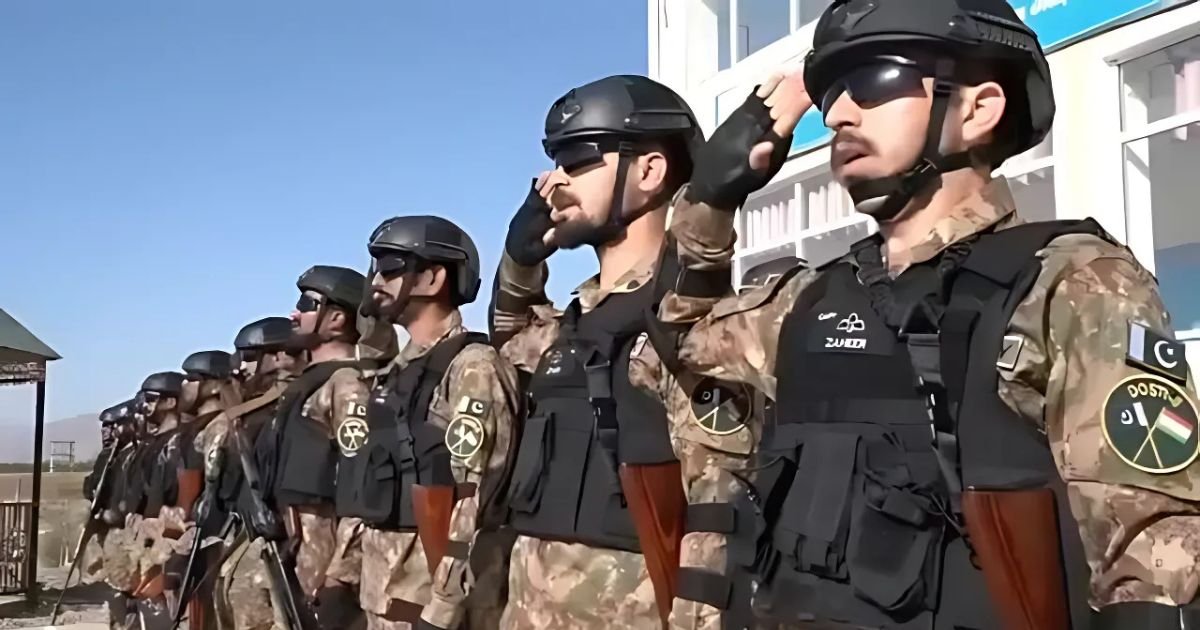
The rugged mountains and deserts of Central Asia have long been arenas of competition. A new chapter is now unfolding. Pakistan is emerging as a trusted security partner in the region. In August 2025, Pakistani and Tajik special forces stood side by side at Fakhrobod Base. They joined hands for Exercise Dosti-II, a counterterrorism drill. Pakistan’s Light Commando Battalion trained with Tajik Special Forces. The exercise ran from 4-9 August 2025. Both sides practiced counterterrorism tactics against extremist threats. Pakistan shared its hard-earned experience from years of operations. In doing so, it strengthened its image as a stabilizing force beyond South Asia.
#ISPR
Rawalpindi, 9 August 2025#Pakistan-Tajikistan Joint Counter Terrorism Exercise Dosti-ll was conducted from 4-9 August 2026 at Fakhrobod Base, #Tajikistan.2 Combat Teams from Light Commando Battalion, Pakistan Army and 4 Combat Teams from Tajikistan Special Forces… pic.twitter.com/pz7O5nMq78
— Pakistan Armed Forces News 🇵🇰 (@PakistanFauj) August 9, 2025
Historical Context and the ‘Vision Central Asia’ Initiative
Pakistan’s bonds with Central Asia run deep. During the Soviet era, it backed the Afghan resistance. Afterward, it built ties with the newly independent republics. In recent years, Islamabad has advanced these links through its Vision Central Asia policy. The plan sets clear priorities: connectivity, energy, security, and defense. Pakistan offers its Arabian Sea ports as gateways to Central Asia. Uzbek and Tajik goods can move quickly through Karachi or Gwadar. The policy also aligns with China’s Belt and Road Initiative. By using Pakistan’s infrastructure, landlocked states gain access to the sea. Pakistan, in turn, gains both economic and strategic advantages.
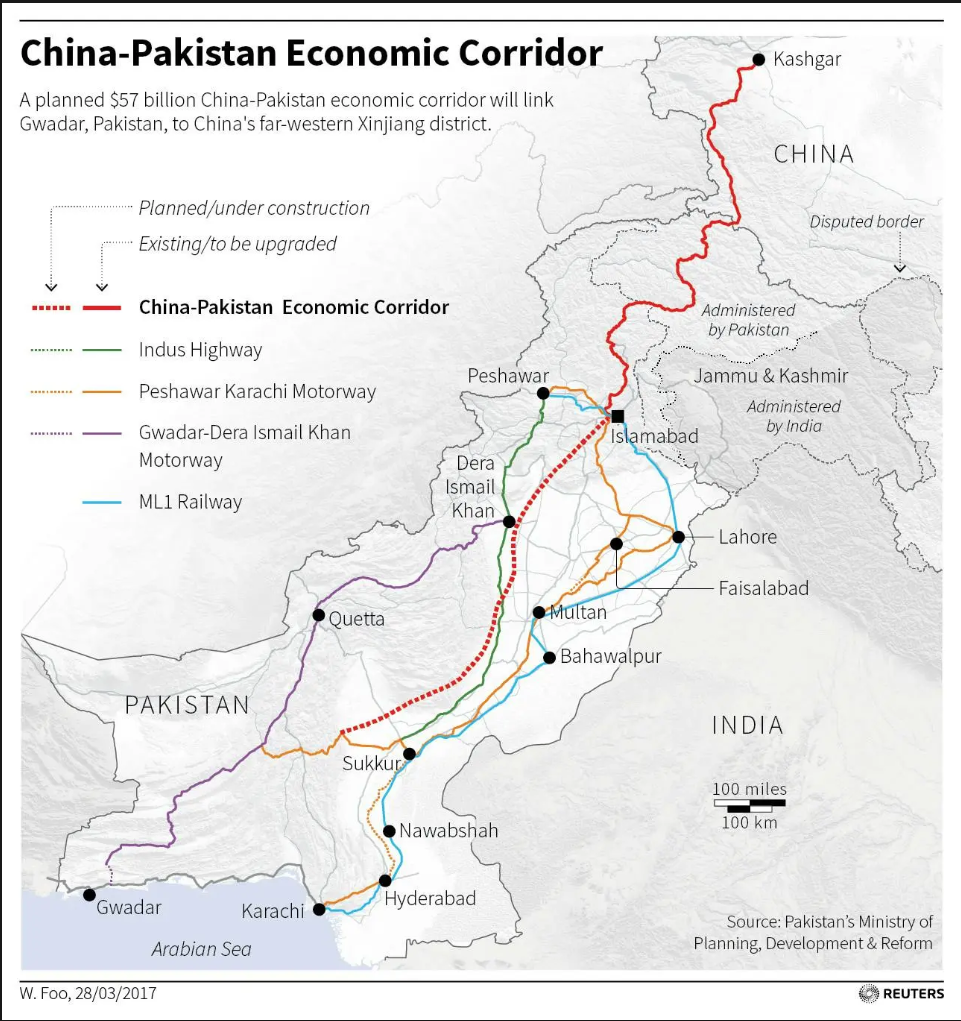
Source: Walizahid
This vision gives meaning to Dosti-II and related diplomacy. The militant threats in Afghanistan and Central Asia cannot be solved alone. These include remnants of ISIS-Khorasan and Taliban-linked networks. Pakistan’s long counterinsurgency record makes it a valuable partner. At the same time, Islamabad balances ties with all major powers. It is a member of the Shanghai Cooperation Organization alongside China, Russia, Tajikistan, and others. In the past, it worked with U.S. counterterrorism efforts. Exercises like Dosti-II help Pakistan project itself as a neutral friend. It supports Central Asians without undermining any single patron. In this way, Pakistan weaves itself into the region’s security fabric. It does so without clashing with Russia’s CSTO or China’s own initiatives.
Dosti-II: Strengthening the Counterterrorism Partnership
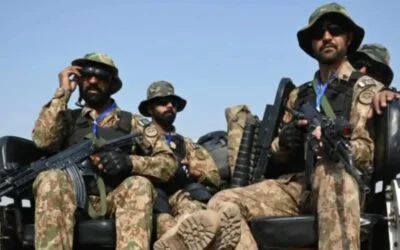
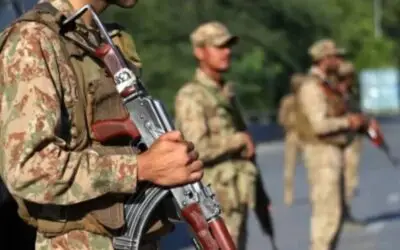
Dosti-II was a clear signal of counterterrorism diplomacy. Pakistan sent two elite Light Commando teams. Tajikistan fielded four special-forces units. Together they practiced urban raids, high-value target assaults, and maritime-terror responses. Pakistan’s ISPR noted that the drills refined counterterrorism procedures and techniques. They also met all training and military diplomacy goals. The closing ceremony was attended by Pakistan’s Defence Attaché in Dushanbe and senior Tajik generals. Their presence underscored the exercise’s diplomatic weight. These drills go beyond tactics. They create personal trust between officers. They also prepare the ground for future intelligence sharing. Such training builds trust and strengthens Pakistan’s image as a stabilizing force beyond South Asia.
پاک فوج اور تاجک اسپیشل فورسز کی دوستی-II مشق مکمل 🇵🇰🤝🇹🇯
سرحدوں سے پرے بہادری کا عزم، دہشت گردی کے خلاف یکجہتی اور بھائی چارے کی مثال ہے۔
یہ صرف ایک مشق نہیں… یہ دو ملتوں کا وعدہ ہے کہ پائیدار قیام امن کے لیے ہم ایک ہیں۔#Pakistan #Tajikistan #DostiII
👇👇 pic.twitter.com/6oX7IaEZ5z— WAQAR SATTI 🇵🇰 (@waqarsatti) August 9, 2025
The timing was deliberate. Earlier in 2025, Pakistan’s leaders reached out to Tajikistan. In May, Prime Minister Shehbaz Sharif met President Emomali Rahmon in Dushanbe. He pledged to strengthen counterterrorism ties and fight cross-border crime together. Islamabad has long seen Dushanbe as a gateway to Central Asian markets. Tajikistan, in turn, looks to Pakistan for access to the Arabian Sea through Gwadar and Karachi. Dosti-II became a follow-up to these pledges. It showed that the leaders’ commitments were real. After the drills, ISPR stated that troops displayed the highest standards of professional excellence. It also said all objectives were achieved. This framing carried a clear message. Pakistan is not only a willing partner against extremism. It is also a reliable ally that delivers on its promises.
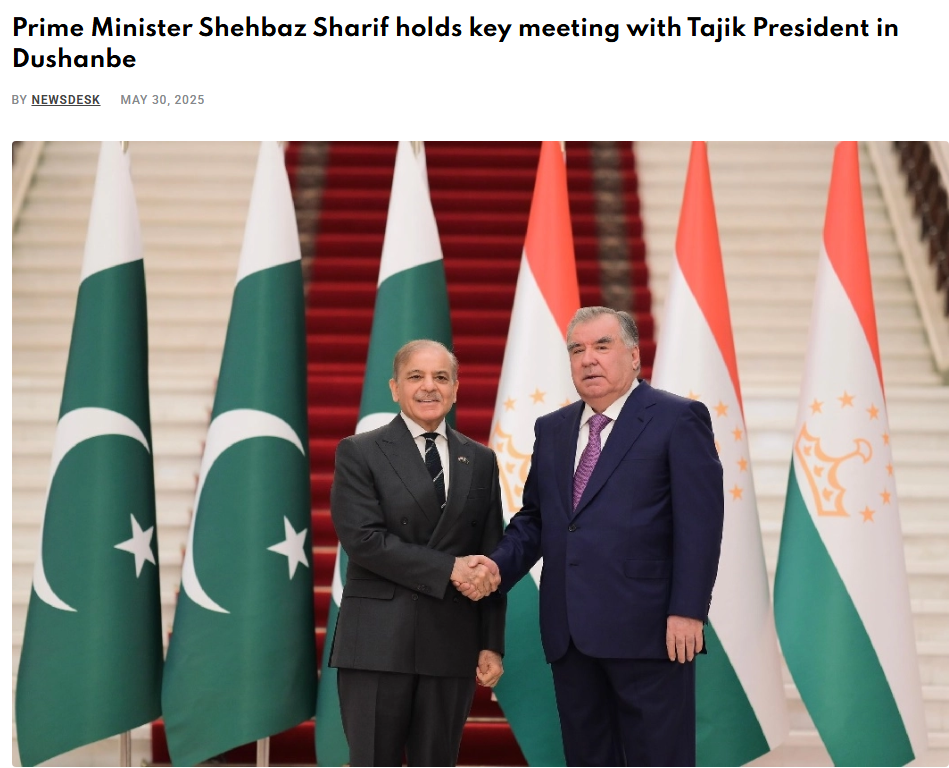
Source: PTV
Balancing Regional Influences
Central Asia sits at a crossroads of great-power influence. Russian military bases remain in Kyrgyzstan and Tajikistan. China is also present in Central Asia. Pakistan must navigate these overlapping interests with care. By working directly with Tajikistan, Islamabad shows it can act outside any single bloc. The Dosti-II communique avoided grandstanding. It focused on shared threats, not ideology. This aligned Pakistan with global counterterrorism norms. It also allowed ties to deepen without provoking Moscow or Beijing. China and Pakistan already share deep security links. Pakistan’s method balances all sides. It fights terrorism in Tajikistan. It cooperates with China and Russia in the SCO. And it reassures the West that it remains committed to stability in Afghanistan.
Source: Arab News
Dosti-II and similar initiatives do not challenge Russia’s role in Tajikistan. The country still hosts a Russian airbase. Pakistan’s role is framed as complementary, not competitive. Islamabad points to efforts like the CASA-1000 power line to show that military cooperation is part of a broader positive agenda. Pakistan’s counterterrorism diplomacy strikes a balance. It strengthens defense ties but stresses that these efforts serve stability and connectivity, not factional rivalries.
High-Level Engagements and Continuity
Exercise Dosti-II was only one part of Pakistan’s outreach. In 2025, its leaders have been highly active in Central Asia. In May, Prime Minister Shehbaz Sharif visited Dushanbe. The media also reported a February tour to Uzbekistan and Azerbaijan. Other ministers, including Foreign Minister Ishaq Dar, traveled through Bishkek, Nur-Sultan, and beyond. The Army Chief, General Asim Munir, attended the SCO summit in Tianjin in August 2025. There, he met counterparts from Russia, Uzbekistan, and others. Each of these meetings carried the same message: cooperation.
This pattern shows continuity, not a one-off summit. Islamabad is enhancing ties. Every visit, whether political or military, highlights its constructive approach. Tajik commanders praised Pakistan’s professionalism after Dosti-II. These drills are a success in both training and military diplomacy. The implication was clear: more engagement will follow. The theme is consistent. Pakistan shows up. In a region where trust comes from presence, this reliability makes it a credible partner against extremism.
Pakistan: A Regional Stabilizer Against Extremism
Central Asia faces constant security threats. Porous Afghan borders, ethnic separatism, and violent ideologies spill across the region. Pakistan’s diplomacy addresses these risks head-on. By sharing counterterrorism expertise through drills like Dosti-II, it helps plug gaps in collective defence. At the same time, it learns from Central Asia’s border control and intelligence practices. This reciprocity strengthens a wider security network that benefits all sides. In policy terms, Pakistan builds deterrence through cooperation. It presents Pakistan as a stabilizing force that protects shared interests.
The narrative here is one of partnership, not power projection. These drills are not saber-rattling. They are calculated acts of diplomacy. The signal is clear: Pakistan’s armed forces can deploy across borders with skill and readiness, but always in coordination with friends. Extending the same expertise into Central Asia strengthens Islamabad’s standing as a responsible partner.
Looking forward, Dosti-II may prove a milestone. It translates Pakistan’s Vision Central Asia into real security action. As militant networks grow more transnational, Islamabad’s focus on drills and high-level talks looks prescient. The message is directed to Washington, Brussels, Moscow, and Beijing alike. Pakistan is committed to regional stability. It is ready to work with any power that shares that goal. In the fragile highlands between empires, Islamabad seeks to stand not as a spoiler, but as a guarantor of peace.