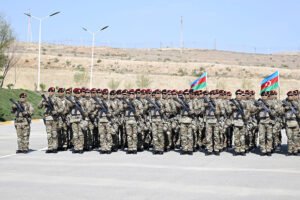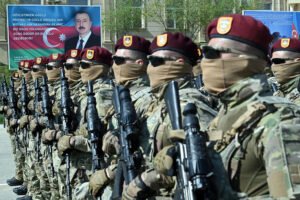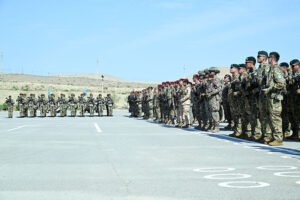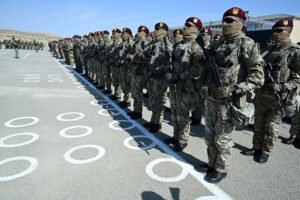
BAKU, AZERBAIJAN –– The “Eternal Brotherhood-IV” multinational joint exercise has commenced in Baku, bringing together special forces from six friendly nations: Azerbaijan, Kazakhstan, Pakistan, Qatar, Türkiye, and Uzbekistan. This key military event, aimed at enhancing collaboration and combat readiness, underscores the deepening military and strategic bonds among these countries.
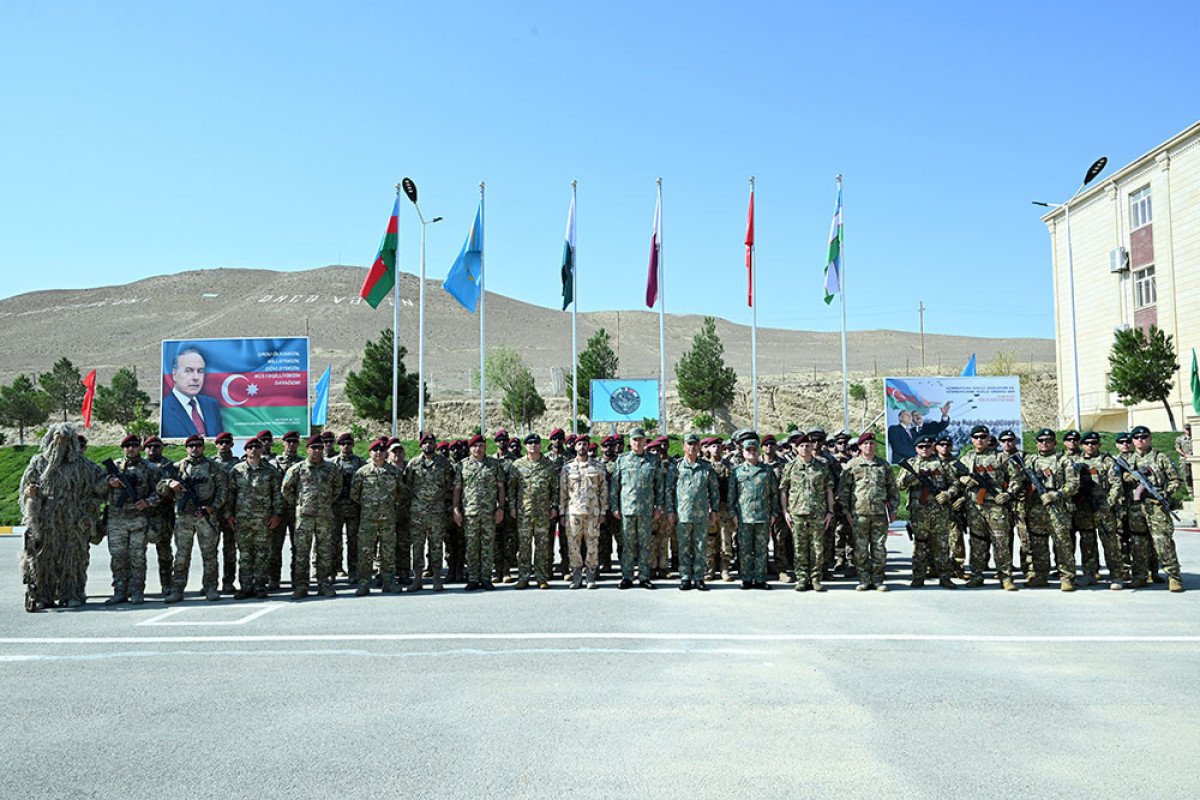
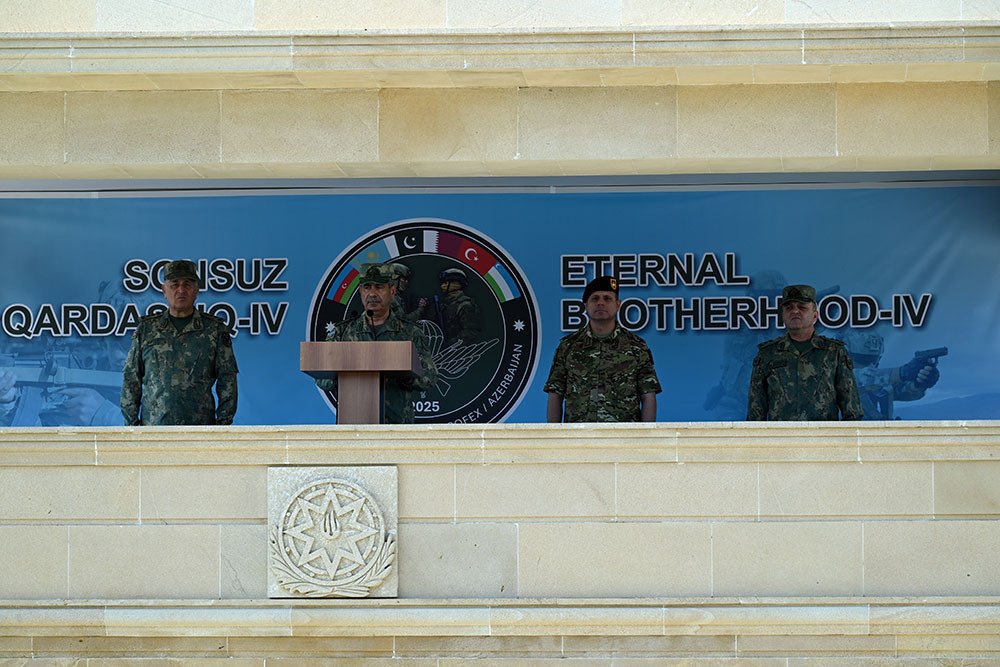
The official opening ceremony, held on September 9, was attended by the leadership of the Ministry of Defense of the Republic of Azerbaijan. The event began with the ceremonial report from the Azerbaijan Special Forces Commander, Patriotic War Hero Major General Alakbar Jahangirov, to the Minister of Defense, Colonel General Zakir Hasanov, confirming the readiness of all participants. Following this, a minute of silence was observed in honor of the martyrs from each participating country, and the national anthems were performed as the respective flags were raised.
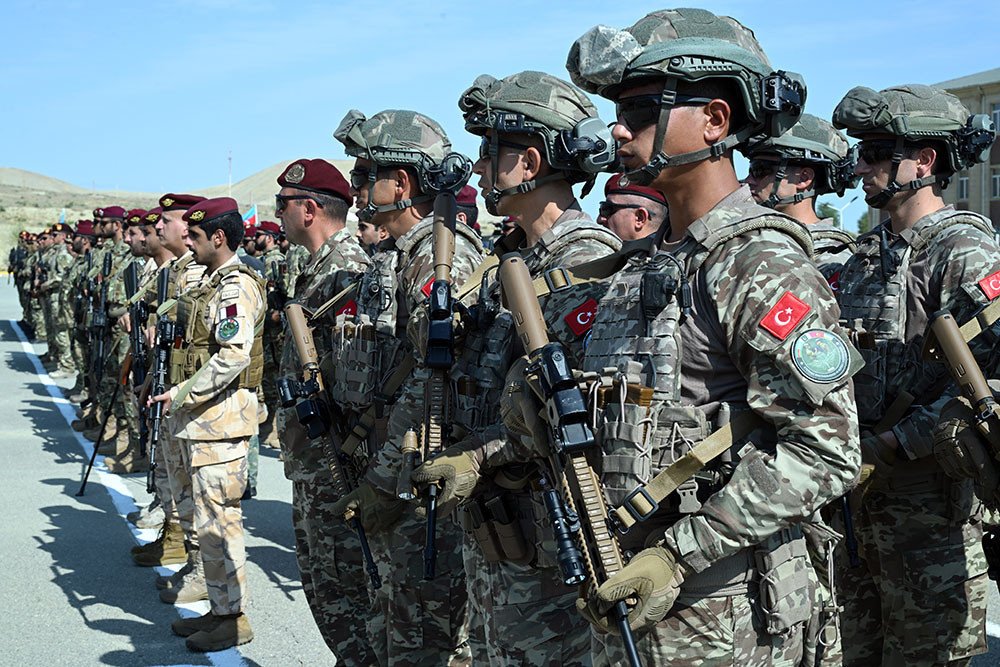
In his address at the ceremony, Colonel General Z. Hasanov welcomed the participants and expressed his satisfaction with the continuity of the exercise, which has now become a tradition. He highlighted that “Eternal Brotherhood – IV” serves as a powerful example of military cooperation, friendship, and brotherhood. The Minister emphasized that such exercises are of strategic importance, not only for exchanging military experience and enhancing practical skills but also for strengthening international security and maintaining peace in the region.
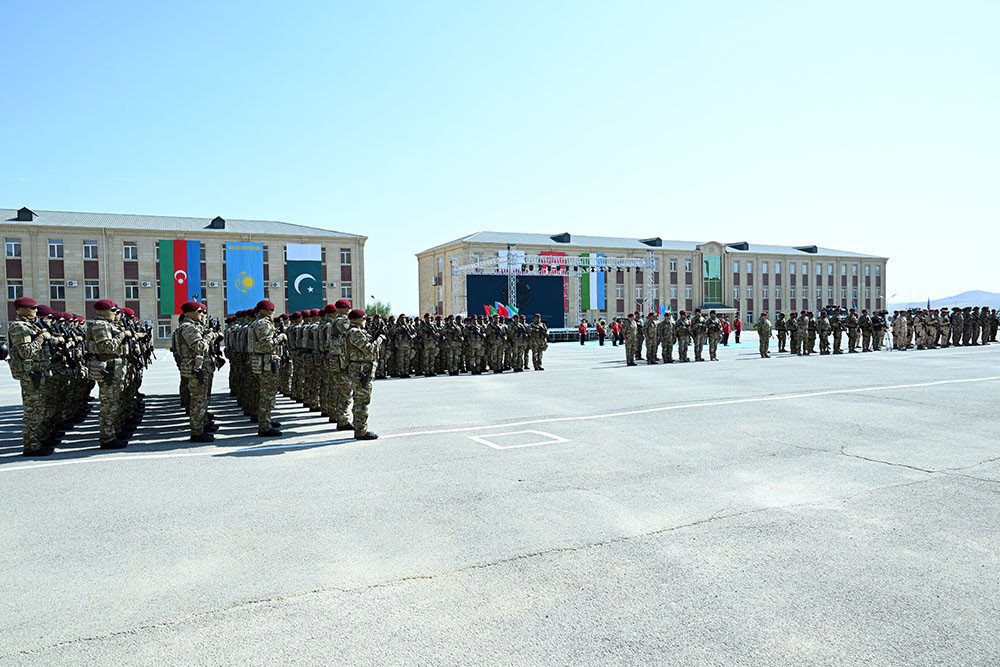
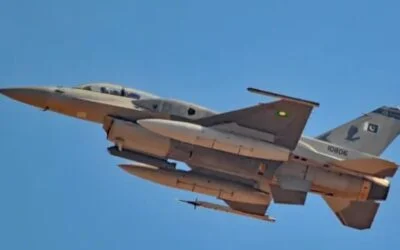
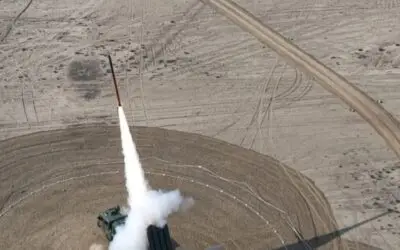
The exercise, which includes armored vehicles, army aviation, and unmanned aerial vehicles, will provide a platform for special forces personnel to conduct joint special operations, enhance coordinated action skills, and develop the capacity for future joint operations. Participants will engage in a wide range of combat training tasks, including shooting, parachuting, sniper activities, and clearing urban areas from enemy forces. Colonel General Hasanov underscored the vital role of special forces in modern warfare and expressed confidence that the exercise would be mutually beneficial, elevating the professionalism and combat readiness of all involved personnel. He concluded by providing relevant instructions and recommendations for the high-level organization and conduct of the exercise.
Geopolitical Significance of the Military Bloc
The formation of this multinational military bloc among Muslim nations holds significant strategic importance, particularly amid the volatile geopolitical landscape of the Middle East and surrounding regions. The “Eternal Brotherhood” exercise is more than a routine military drill; it represents a tangible manifestation of a growing desire for increased solidarity, security, and defense cooperation among these countries.
Strengthening Regional Security: The joint exercises provide a framework for interoperability, allowing the special forces of these nations to train together, share tactics, and develop a coordinated response to shared security threats. In a region facing multifaceted challenges, including terrorism, internal conflicts, and external pressures, such collaboration is crucial for maintaining stability and deterring aggression. The collective military strength and enhanced professionalism showcased in these exercises send a clear message about the participating nations’ commitment to protecting their interests and promoting peace.
Fostering Military, and Political Cohesion: The collaboration in defense naturally translates into stronger political and diplomatic ties. By working together on security matters, these nations are building trust and confidence, which can lead to deeper cooperation in other areas such as trade, energy, and intelligence sharing. This growing cohesion can help them navigate complex regional dynamics and present a more unified front on international forums. The joint exercise symbolizes a move away from isolated security policies toward a more integrated, collective security framework.
Projecting Collective Strength: The “Eternal Brotherhood – IV” exercise is a powerful display of a collective military capability. It demonstrates that these countries, which are strategically located and have significant military assets, are not merely passive observers but active participants in shaping the security architecture of their region. This unified front can serve as a deterrent and a counterbalance to other regional and global powers, ensuring that the voice and interests of these nations are given due weight in international affairs. The high level of professionalism and coordination among the special forces units of these fraternal and allied countries reflects a deepening of solidarity and cooperation, which is essential for confronting future challenges and securing a more prosperous and stable future.