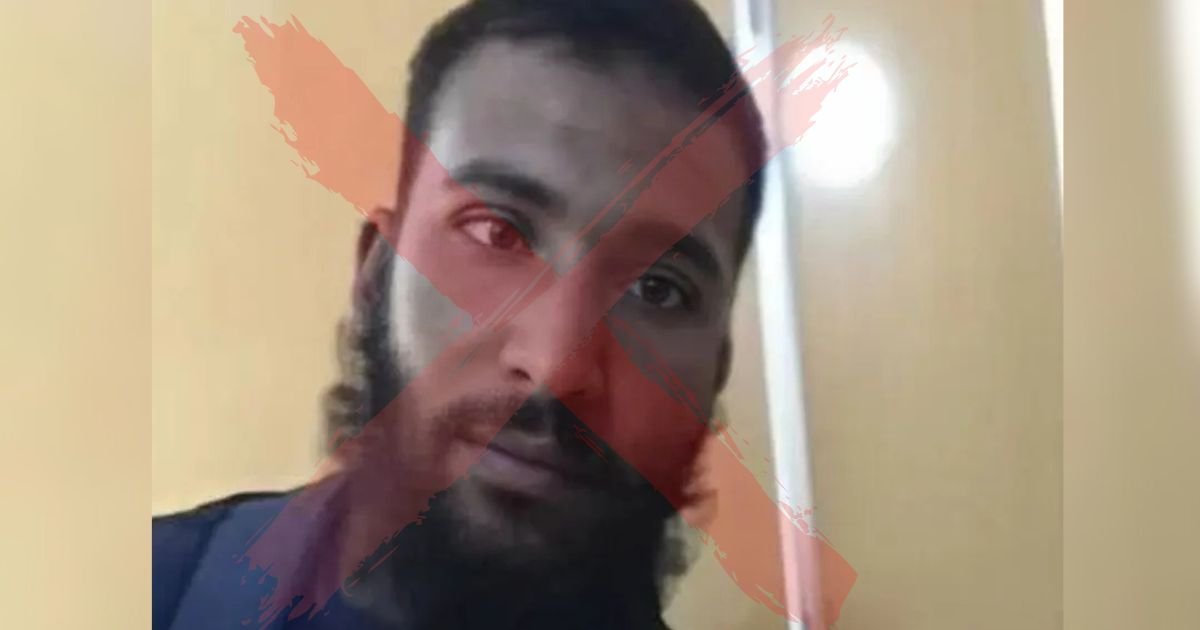
According to Pakistani security sources, a senior IS-K commander, Mohammad Anwar-Ehsani, was killed in Mazar-i-Sharif, Afghanistan. He was an ethnic Tajik. He is accused of leading suicide-bomb attacks against Pakistan by the authorities. He was associated with a series of large-scale attacks. One of them was the bombing of the Shia Muslim Kocha Risaldar Mosque in Peshawar, March 4, 2022, that killed 60 to 70 people. The news of his death was celebrated by Pakistanis as a significant triumph over the cross-border terrorism of IS-K. The death of Ehsani disrupts the ability of IS-K to infiltrate Pakistan using suicide squads.

Source: Geo News
Background
Mohammad Ehsani was reported by Pakistani and Afghan sources as a high-ranking IS-K commander. He was Tajik by origin. It was reported that he was one of the core operational leaders of IS-K. The IS-K, an affiliate of ISIS based in Afghanistan, has been active since 2015. It is estimated to have 2,000-3,000 fighters in Afghanistan by the U.S. and UN. The group frequently attacks Pakistani security forces and minority groups across the porous border.
Ehsani was a cross-border facilitator. Pakistani media reported that he recruited Tajik and other fighters. He assisted in establishing training camps and safe houses. He also transferred bombers and weapons into Pakistan.
🔴 Key Facilitator of Peshawar Kocha Risaldar Blast Killed in Afghanistan
▪️ISIS-K commander Muhammad Ehsani alias Anwar, a Tajik national, has been killed in Mazar-e-Sharif, Afghanistan, sources confirm.
▪️Ehsani, of Tajik origin, was the main facilitator of the 2022 Peshawar… pic.twitter.com/bSGn7p8mHb
— The Intel Consortium (@IntelPk_) September 28, 2025
His name became notorious in Pakistan following the attack on the Kocha Risaldar Mosque in Peshawar on March 4, 2022. At least 62 Shia worshippers were killed, and a suicide bomber injured more than 190 people. ISIS-K claimed the responsibility. Pakistani investigators linked the attack to Ehsani. The local press referred to him as the main facilitator of the bombing. He had also been accused of other bombings in Khyber Pakhtunkhwa. He was also accused by the reports of supplying operatives and explosives to carry out attacks within Pakistan. Overall, Ehsani purportedly operated a logistics network. It linked bases of IS-K in northern Afghanistan (primarily Balkh province) to cells within Pakistan.
Source: Dunya News
Operational Role & Methods
Pakistani reports say Ehsani’s unit specialized in sending suicide attackers against Pakistani targets. He recruited Tajik nationals and possibly Uzbeks or others. The recruits trained in Afghan camps on bomb-making and urban assault tactics. After training, facilitators moved the militants across the Afghan-Pakistan border. They often crossed through Khyber or Bajaur. Some carried forged papers, while others went on foot. Inside Pakistan, they were placed in safe houses.
Security analysts describe Ehsani as a key planner of Pakistani terror incidents. He trained operatives, moved them into Pakistan, and coordinated synchronized strikes on soft targets such as mosques, police posts, and border troops. Pakistani newspapers quoted Afghan officials who called him a core operational leader and main facilitator within ISIS-K, though no formal title was given. His collaborators included other cadres in Balkh and Nuristan. In short, his network moved trained suicide bombers from Afghanistan into Khyber Pakhtunkhwa, making him central to IS-K’s strike capability.
You May Like To Read: Pakistan Army Successfully Conducts Training Launch of Fatah-4
Impact on Pakistan Security
The killing of Ehsani is considered to be a significant setback to the capability of IS-K to attack Pakistan. His elimination interferes with the terror pipeline and undermines future suicide plans. The planning and execution of the group will suffer, at least temporarily. To the military and intelligence services of Pakistan, the news is a boost to morale. The media attributes it to the current counterterror campaigns, including the Operation Sarbakaf in Bajaur against IS-K and TTP facilitators. His killing demonstrates that Pakistan has the capability of finding terror masterminds who are hiding in Afghanistan.
The killing of a leader involved in the Peshawar mosque blast of 2022 has symbolic value. It assures the citizens that one of the main terror networks has been disconnected. It is also a propaganda win for Islamabad, which has just witnessed a rise in militant violence. PICSS think tank noted that militant incidents had increased by 74 percent in August 2025, and 194 individuals had been killed. On the contrary, Pakistani forces are emphasizing recent achievements. In September, they had earlier killed three IS-K militants in KP, including an Afghan national, during operations in the border areas. The death of Ehsani strategically means that ISIS-K will not have much ability to coordinate with local networks. He trained bombers and offered targeting intelligence, and without him, the group would have to find other intermediaries.
ISIS-K continues to have fighters and leaders within Afghanistan, which poses a threat of retaliation. The Pakistani security officials should emphasize the importance of constant vigilance. However, the death of Ehsani would be a big setback to the IS-K network targeting Pakistan, in case it is confirmed by the Afghan government. It highlights the value of intelligence sharing and proactive frontier operations. Islamabad presents it as a true security achievement, which alters a significant channel of IS-K violence in Khyber Pakhtunkhwa and Balochistan.
The Islamic State Khorasan (IS-K) region group has suffered a major blow as its senior commander, Muhammad Ehsani, also known as Anwar, was killed by unidentified gunmen in Mazar-i-Sharif city, Afghanistan, Aaj News reported citing security sources on Sunday.
Read more:… pic.twitter.com/EsgTdEr5OM
— Business Recorder (@brecordernews) September 28, 2025
Conclusion
The reported killing of Mohammad Ehsani is a tactical win for Pakistan’s security forces. His removal severs a key link in ISIS-K’s network. It means one less facilitator to prepare suicide missions or move fighters across the border. The outcome is presented as proof that Pakistan’s proactive frontier operations are working. Yet experts warn that ISIS-K still has Afghan sanctuaries and could rebuild if given time. For now, Ehsani’s elimination delivers a clear blow to IS-K’s strike capacity, strengthening Pakistan’s security and counterterrorism efforts. Sustained intelligence work and regional cooperation will be vital to make the impact last.
You May Like To Read: Khawarij Target Children in Bajaur Blast; Army Launches Immediate Rescue, and Airlift Operation