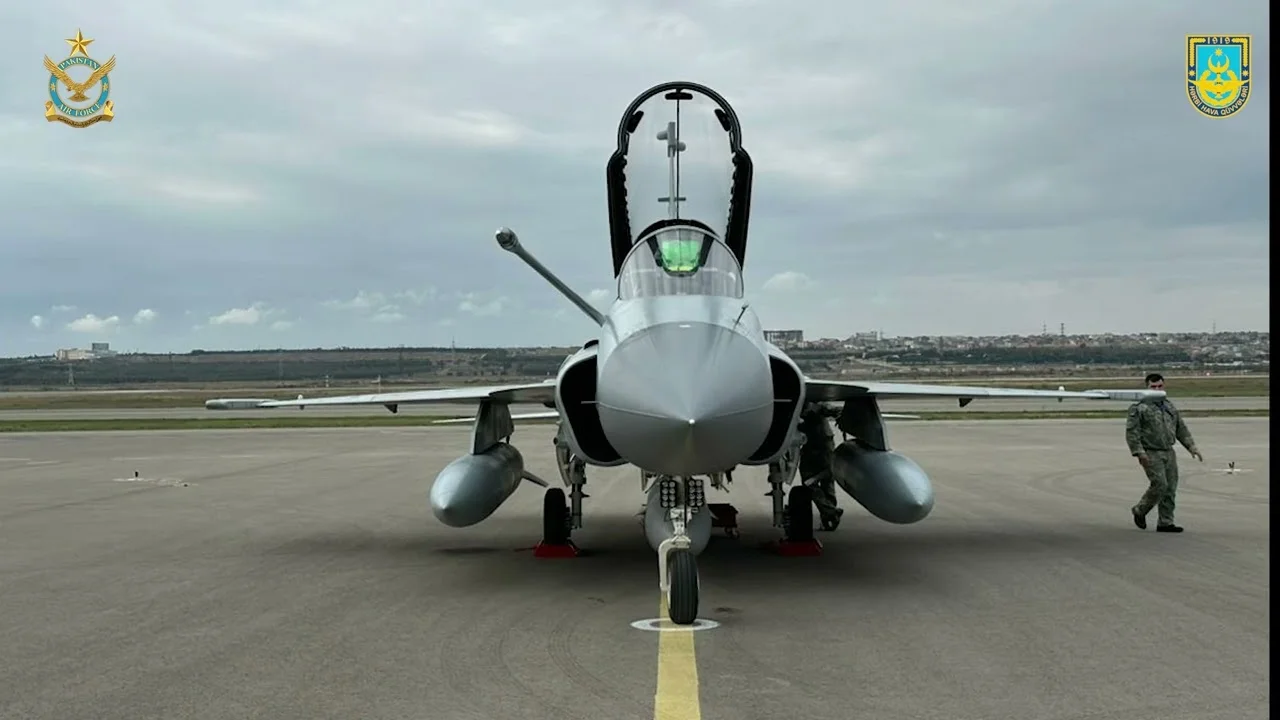
Pakistan Air Force (PAF) sent a powerful contingent, including its recent JF-17 Thunder Block III fighters, to Azerbaijan on 19 October 2025 to participate in the Indus Shield Alpha exercise. ISPR reported that PAF jets and their air/ground crews have landed in Azerbaijan to take part in bilateral drills. The stated objective of the exercise will be to improve mutual understanding, the tactical coordination, and interoperability of the air forces of Pakistan and Azerbaijan. The active participation of Pakistan in such joint exercises is a sign of its growing strategic confidence and global reach: the PAF regularly trains in other countries to showcase its capabilities and reinforce military cooperation.
PAF CONTINGENT ARRIVES IN AZERBAIJAN FOR BILATERAL EXERCISE INDUS SHIELD ALPHA
19 October, 2025: Pakistan Air Force contingent comprising the cutting-edge JF-17 Thunder Block-III fighter jets, accompanied by skilled air and ground crew, has landed in Azerbaijan to participate in… pic.twitter.com/pDgyg9rwMM
— DGPR (AIR FORCE) (@DGPR_PAF) October 19, 2025
Symbol of Modernization and Strategic Confidence
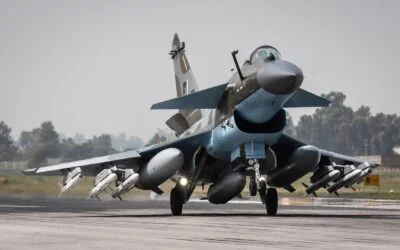
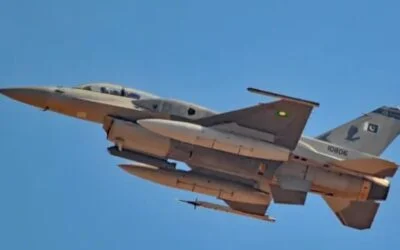
During the Indus Shield Alpha 2025, a PAF JF-17 Thunder Block-III fighter lands in Azerbaijan. The PAF demonstrates its highly indigenous air capabilities through the advanced Block-III, co-developed with China. JF-17 Block-III is the epitome of modernization and the self-reliant airpower of Pakistan. It is a lightweight multirole fighter that provides credible air policing, long-range interception, and precision strikes at a viable cost. Its Block-III modernization has a complex AESA radar, new avionics, and beyond-visual-range missile capability. The Block-III is co-developed with China and is now the heart of the Pakistani indigenous airpower strategy.
Pakistan Air Force (PAF) JF-17 Thunder multirole combat aircraft arrive in Baku, Azerbaijan, to participate in bilateral aerial combat exercise “Indus Shield Alpha”. pic.twitter.com/7RumfSCioz
— Pakistan Aviation News 🇵🇰 (@avpak3) October 19, 2025
During the recent deployment, PAF fighters were also flying continuously between Pakistan and Azerbaijan with an in-flight refueling by a PAF IL-78 tanker jet, a feat that not only reconfirmed the long-range capability of the PAF fighter jets but also highlighted the professionalism of the pilots. This long-range flight was not only a test of the operational range of the Block-III, but it was also a test of the capability of PAF crews to operate on sophisticated and long-range missions overseas. In fact, Pakistani aviation is gaining global fame – in the 2025 Royal International Air Tattoo (RIAT) in the UK, a PAF JF-17 Block-III took the “Spirit of the Meet” trophy with an impressive livery and remarkable nonstop flight across Pakistan.
The Pakistan Air Force JF-17C Block III was awarded the prestigious ‘Spirit of the Meet Trophy’ at the #RIAT2025 for its striking livery and the incredible journey from Pakistan with non-stop air to air refuelling (AAR).@DGPR_PAF @airtattoo pic.twitter.com/x4jTCpBjZi
— PTV News (@PTVNewsOfficial) July 19, 2025
Enhancing Interoperability and Combat Coordination
Indus Shield Alpha is highly focused on interoperability and modern strategies. According to PAF statements, the exercises will aim to enhance tactical coordination between the two air forces. They will focus on advancing modern aerial combat tactics, collaborative mission planning, and execution. Pilots involved in the missions undergo combined mission drills, weapons loading, and communications training with their Azerbaijani counterparts, which speeds up familiarity between the two. The exercise is a crucial venue for sharing operational insights and strengthening collaborative responses to emerging air defense challenges. In effect, it implies that Pakistani and Azerbaijani aircrews are trained to coordinate complex missions, midair refueling, and counter-drone operations in realistic conditions. The outcome will be a higher level of pilot proficiency and streamlined combined operations. The deployment demonstrated the PAF aircrew’s long-range operational capabilities and professionalism, and their belief in developing these capabilities in a multilateral, networked environment.
You May Like To Read: Air Chief Marshal Zaheer Ahmed Baber Sidhu on Official Visit to Romania
Strengthening Pakistan-Azerbaijan Defense Partnership
Personnel of the PAF and the Azerbaijani air force during Exercise Indus Shield Alpha 2025. Joint exercises such as this are indicative of a closer defense relationship. There has been a long-standing brotherhood between Islamabad and Baku. In addition to its training advantages, Indus Shield Alpha has significant diplomatic and defense implications. Historically, Pakistan and Azerbaijan have had a cordial relationship, and the vocal support that Baku has shown Pakistan during the recent tensions in the region has further strengthened ties between the two countries. The exercise comes after a historic 40 JF-17 jets deal worth $4.6 billion (including related training and logistics). It is the largest defense procurement Pakistan has ever made. It is much more than a mere supply of hardware: this package also covers joint training programs, simulators, spare parts, and technology transfer, and more closely links the Pakistani aerospace industry with its ally. This level of profound collaboration enhances the capabilities and strategic confidence of both nations. Through practice, Islamabad and Baku demonstrate their capacity to address common security issues, including airspace integrity and drone threats, collectively to improve regional stability. Essentially, the high-profile engagement by Pakistan sends a strong message that its Air Force is a reliable and modern ally.
Conclusion: Projecting a Modern and Confident Air Force
The continued outreach that Pakistan has been making through drills such as Indus Shield Alpha solidifies the PAF as a modern, self-sufficient, and globally active force. The PAF has been eager to conduct activities well beyond its borders, not just to increase capacity but also to build confidence. Its jets and crews are now gaining international recognition, including trophy victories at RIAT and commendation by allied armies. Such deployments, as well as the competencies they develop, reinforce the overall defense posture in Pakistan. According to ISPR, PAF’s involvement in Indus Shield Alpha reaffirms its long-standing role in the region’s stability and its collaboration in the global military arena. Through the integration of highly modernized indigenous aircraft and intensive training with friends, the Pakistan Air Force has been sending its message: a modernized PAF is prepared, comfortable, and integrated with other allied air forces as part of overall security in the region and beyond.
You May Like To Read: Commander Bahawalpur Corps Lauds Student Talent at IUB Tech Expo 2025