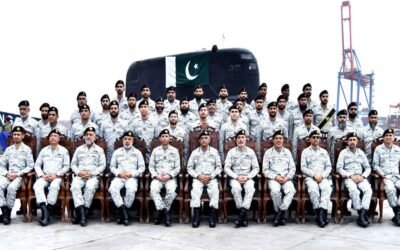
Lieutenant General Umar Ahmed Bukhari, Corps Commander Peshawar, held a special session today with students participating in the ISPR Winter Internship Program 2026. The engagement served as a platform for an in-depth dialogue on regional security, national defense, and the evolving role of youth in the digital era.
ISPR Winter Internship Program, Corps Commander Peshawar Holds Special Session with students
Corps Commander Peshawar held an exclusive meeting with students participating in the #ISPR Winter Internship Program 2026. During the session, he provided a comprehensive briefing on… pic.twitter.com/4TRSqewGUQ
— Pakistan Armed Forces News 🇵🇰 (@PakistanFauj) February 19, 2026
During the comprehensive briefing, the Corps Commander provided an overview of the security landscape in Khyber Pakhtunkhwa (KP). He detailed the military’s ongoing efforts to maintain stability and addressed the various internal and external challenges currently facing the region.
A key highlight of the session was a spirited Q&A segment. Lieutenant General Bukhari commended the students for their intellectual curiosity and analytical approach, providing reasoned and detailed responses to their inquiries regarding national policy and regional dynamics.
The participating students expressed their profound admiration for the professional excellence of the Pakistan Army. They paid rich tribute to the sacrifices made during “Marka-e-Haq” (Battle for Truth), noting the unwavering courage and resolve demonstrated by the soldiers in the face of adversity.
Recognizing the shift in modern warfare, the interns collectively pledged to serve as guardians of Pakistan’s national narrative. They committed to utilizing digital platforms to defend national interests and project a positive, factual image of the country on the global stage.
The session concluded with the participants expressing their gratitude to the Pakistan Army and the ISPR for organizing the 2026 Winter Internship Program, which they described as a pivotal experience in understanding the complexities of national security and statecraft.
You May Like To Read: