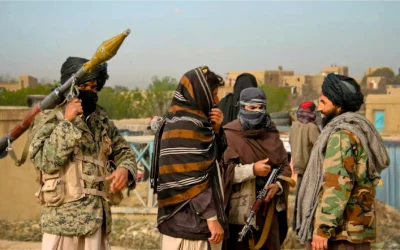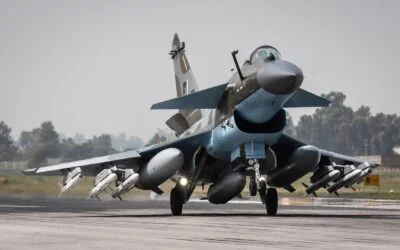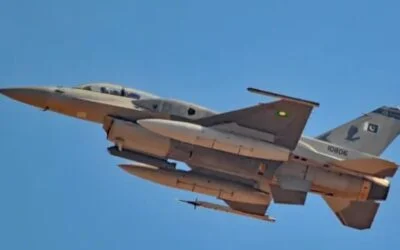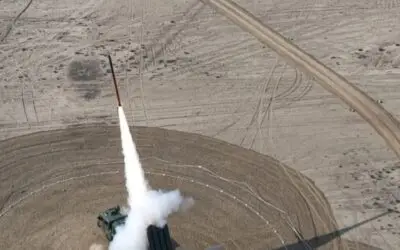
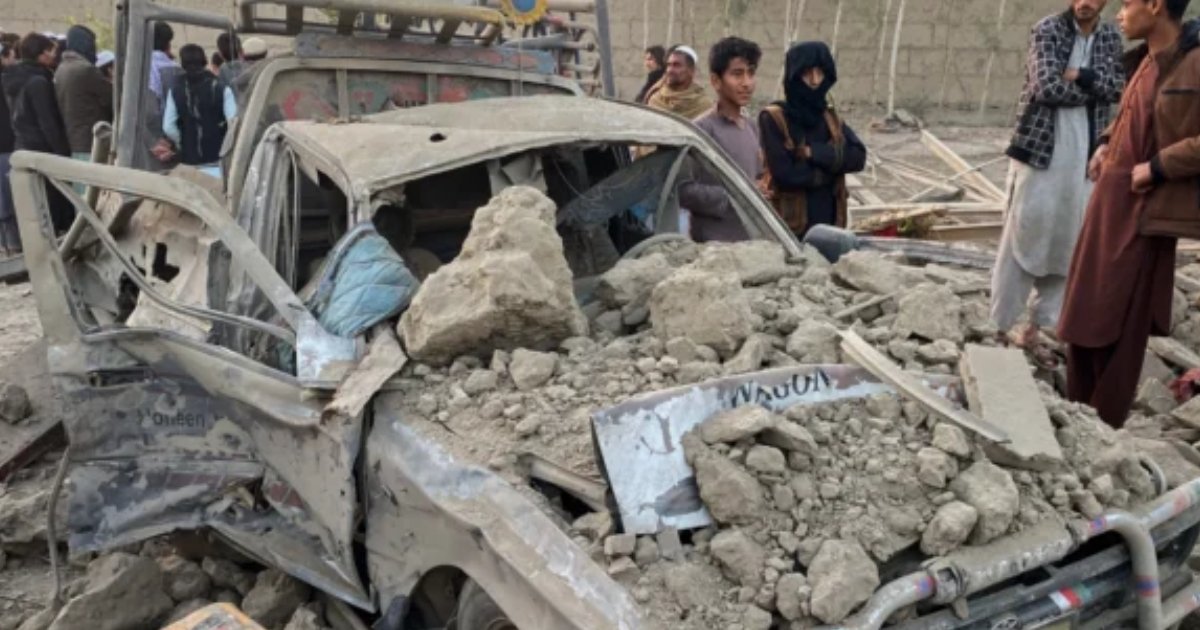
In a robust assertion of national defense, the Pakistan Air Force (PAF) carried out a series of high-precision, intelligence-based airstrikes on terrorist hideouts across the border in Afghanistan on Sunday. The operation confirmed the neutralization of over 80 militants belonging to Fitna al-Khwarij (TTP) and IS-Khorasan (ISKP). The Ministry of Information and Broadcasting described the strikes as a “retributive response” to a wave of suicide bombings that recently struck Islamabad, Bajaur, and Bannu.
#Pakistani forces killed over 80 Taliban militants in strikes on TTP camps in Afghanistan, says officialhttps://t.co/oh8L1EKPAl pic.twitter.com/KoOtE2J3ke
— Arab News (@arabnews) February 23, 2026
Strategic Retribution: Operation Details
Security sources confirmed that the strikes targeted specific hubs used by terrorist handlers to coordinate attacks inside Pakistan.
-
Target Locations: The operation dismantled seven distinct centers across three Afghan provinces:
-
Nangarhar: New Centre No. 1, New Centre No. 2, Khwariji Islam Centre, and Khwariji Ibrahim Centre.
-
Khost: Khwariji Maulvi Abbas Centre.
-
Paktika: Khwariji Mullah Rahbar and Khwariji Mukhlis Yar.
-
-
The “Khwarij” Network: Authorities emphasized that these groups were responsible for the February 16 Bajaur attack (11 soldiers martyred) and the February 21 Bannu suicide bombing, which claimed the lives of a Lieutenant Colonel and a Sepoy.
-
Proportionate Response: Parliamentary Affairs Minister Tariq Fazal Chaudhry stated the strikes were an “answer to the tears of every mother” who lost a son to terrorism, warning that Pakistan will spare no one who looks at the country with “evil intent.”
The “Human Shield” Narrative and Diplomatic Fallout
The interim Afghan government in Kabul has condemned the strikes as a violation of sovereignty, summoning Pakistan’s ambassador and threatening a “measured response.”
-
Collateral Damage Claims: While the Taliban claimed civilian casualties, Pakistani authorities dismissed this as a “false and malicious narrative.” They asserted that terrorists routinely use non-combatants as human shields, and that the PAF took every measure to ensure “selective targeting” of militants.
-
Evidence of Afghan Complicity: Investigators identified the Bajaur suicide bomber as an active member of the Afghan Taliban’s special forces from Balkh province, providing “conclusive evidence” of cross-border support for the TTP.
-
Doha Agreement Violations: Pakistan urged the international community to hold the Taliban regime accountable to the Doha Agreement, which mandates that Afghan soil must not be used for terrorism against other nations.
You May Like To Read: Pakistan Army Responds to Unprovoked Indian Ceasefire Violation in Neelum Valley
Escalating Border Tensions
The recent strikes follow a period of intense border friction. In late 2025, unprovoked attacks by Afghan forces led to the martyrdom of 23 Pakistani soldiers, followed by retaliatory clashes that killed over 200 terrorists.
-
National Resolve: Defence Minister Khawaja Asif had previously warned that military options inside Afghanistan remained “viable” if the Taliban failed to dismantle sanctuaries.
-
Vision Azm-e-Istehkam: The operation remains a core component of the “Azm-e-Istehkam” campaign, aimed at ensuring the “safety and security of the people of Pakistan comes first and foremost.”
Check out our latest video: