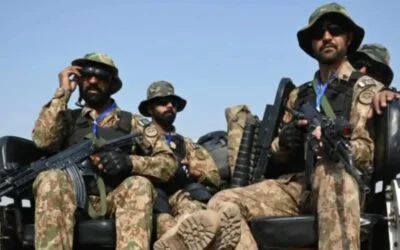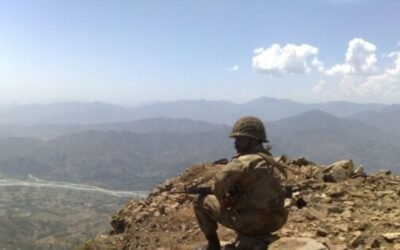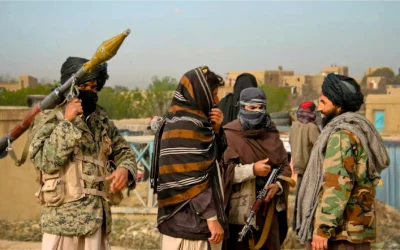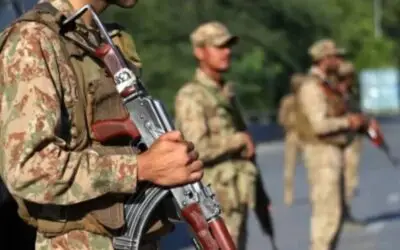
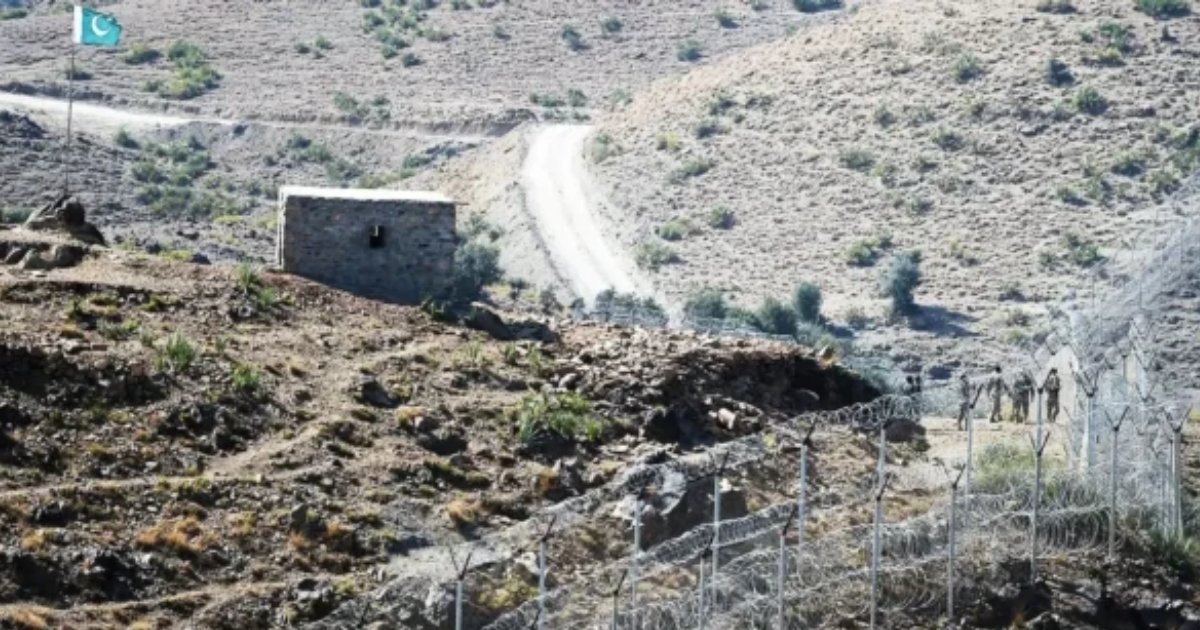
Tensions along the Durand Line reached a critical threshold on Tuesday as the Afghan Taliban regime initiated unprovoked firing at multiple locations along the Pakistan-Afghanistan border, specifically targeting positions in Torkham and the Tirah Valley.
Mosharraf Zaidi, the Prime Minister’s spokesperson for foreign media, confirmed the skirmishes via the social media platform X, stating that Pakistan’s security forces responded “immediately and effectively,” successfully silencing the Taliban’s aggression.
The Afghan Taliban regime initiated unprovoked firing along the Pakistan-Afghanistan Border in Torkham & Tirah sub-sectors.
Pakistan’s security forces responded immediately & effectively, silencing the Taliban aggression.
Any further provocation will be responded to…
— Mosharraf Zaidi 🇵🇰 (@mosharrafzaidi) February 24, 2026
Escalation Following Retributive Airstrikes
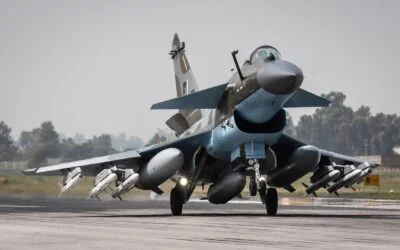
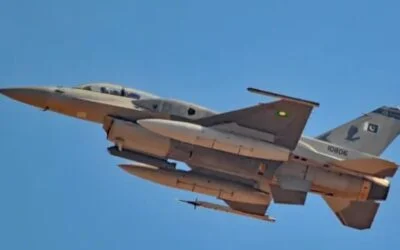
The border clashes follow a weekend of intense military activity where the Pakistan Air Force (PAF) neutralized over 80 terrorists in precision strikes within the Afghan provinces of Nangarhar and Paktika.
-
The “Khwarij” Nexus: The Information Ministry revealed “conclusive evidence” that recent suicide bombings in Islamabad, Bannu, and Bajaur were orchestrated by Fitna al-Khwarij (TTP) handlers based in Afghanistan.
-
The Bajaur Smoking Gun: Investigators identified the suicide bomber in the February 16 Bajaur attack—which martyred 11 soldiers—as a member of the Afghan Taliban’s special forces from Balkh province.
-
Selective Targeting: Sunday’s strikes dismantled seven major terrorist hubs, including the “New Centre” facilities in Nangarhar and the “Maulvi Abbas Centre” in Khost, marking the most significant engagement since the deadly border clashes of October 2025.
Strategic Shift: End of Restraint
The current escalation marks a fundamental shift in Pakistan’s border policy. Following the martyrdom of a Lieutenant Colonel and a Sepoy in Bannu on February 21, the military has officially abandoned its policy of restraint.
-
Severe Warnings: Mosharraf Zaidi warned that any further provocation from the Afghan side would be met “immediately and severely,” reiterating that territorial integrity remains a “red line.”
-
The “Azm-e-Istehkam” Doctrine: These operations are a direct extension of the Azm-e-Istehkam vision, targeting terrorists “irrespective of their location.”
-
Diplomatic Fatigue: Islamabad has expressed mounting frustration with the Kabul regime’s failure to dismantle TTP sanctuaries, noting that repeated appeals have been ignored since the Taliban’s return to power in 2021.
Historical Context: A Cycle of Violence
Relations between the neighbors have soured progressively throughout 2025 and early 2026.
-
October 2025 Clashes: A previous unprovoked attack by the Afghan Taliban and “Indian-sponsored” Khwarij led to the martyrdom of 23 Pakistani soldiers and the killing of over 200 terrorists.
-
Defense Directive: Defense Minister Khawaja Asif recently underscored that “military options remain viable” if Afghan soil continues to be used as a launchpad for proxies targeting Pakistan during the holy month of Ramadan.
Check out our latest video: