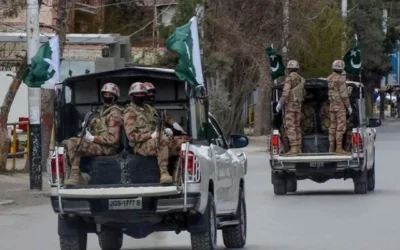
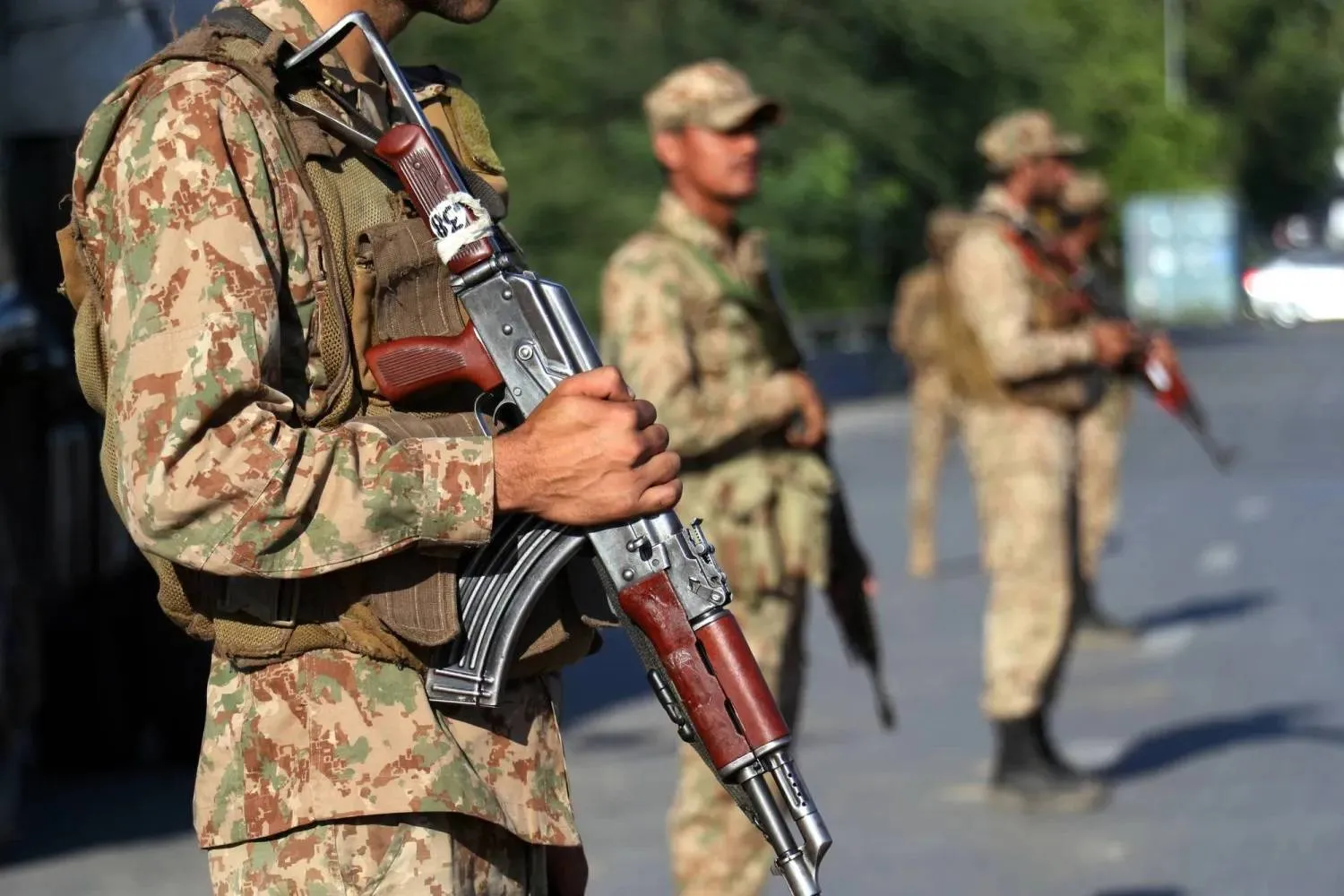
In a highly successful pre-emptive strike against foreign-funded proxy networks, Pakistan’s security forces have eliminated 14 heavily armed militants during a intense intelligence-based operation (IBO) in the Naal area of Basima District, Balochistan.
Fourteen Indian-sponsored terrorists were killed and several others injured in an intelligence-based operation conducted by security forces in the Naal area of District Khuzdar, Balochistan. However, during the intense fire exchange, one brave son of soil, Lance Havildar Muhammad… pic.twitter.com/YsHXITDR27
— Radio Pakistan (@RadioPakistan) June 9, 2026
According to an official statement issued today by the Inter-Services Public Relations (ISPR), military intelligence services intercepted actionable data on June 8 revealing that a specialized cell of Fitna-al-Hindustan (a state-designated umbrella term for India-sponsored Baloch separatist factions, including the BLA) was actively planning a coordinated assault on a local police station and several financial institutions in the general area.
Tactical units quickly deployed to intercept the threat, punitively engaging the group and checking their operational movement. Following an intense, close-quarters firefight, 14 terrorists were killed, multiple others were severely wounded, and four mobile combat vehicles alongside a substantial cache of prepared Improvised Explosive Devices (IEDs) were completely destroyed.
During the fierce exchange of fire, Lance Havildar Muhammad Abbas fought gallantly at the front lines, making the ultimate sacrifice and embracing martyrdom while successfully protecting civilian infrastructure.
Escalating Frontline Trends: The Anti-Terror Campaign in Balochistan
The decisive engagement in Basima is part of a broader, synchronized counter-terrorism crackdown across the province, yielding significant tactical results over the past two weeks:
-
The Panjgur Encirclement (June 5): Specialized counter-terrorism squads executed a localized IBO in Balochistan’s rugged Panjgur District, successfully neutralizing six heavily armed insurgents attempting to establish a cross-border logistics base.
-
The Post-Quetta Train Attack Sweep (Late May): Following a tragic suicide bombing targeting a passenger train in Quetta, security forces launched a massive, multi-district kinetic sweep. Intelligence-led raids across Mastung, Nushki, Khuzdar, and Kech resulted in the elimination of 17 high-value terrorist targets within a matter of days.
-
Continuous Sanitization: Active military units, supported by local law enforcement agencies, are currently conducting thorough sanitization operations in the Basima sector to eliminate any remaining remnants of the cell.
Critical Analysis: Pre-Emptive Operational Shifts, Economic Urban Targeting, and the Vision of Azm-e-Istehkam
The operational details released by the ISPR reveal a significant shift in Pakistan’s internal defense philosophy and highlight the changing tactics of asymmetric warfare in the region:
Moving from Retaliatory Clearances to Pre-Emptive Intelligence Strikes
The Basima operation shows that Pakistan’s intelligence networks have successfully adapted to get ahead of insurgent planning cycles. Historically, counter-terrorism actions in Balochistan were often retaliatory sweeps launched after a major attack had already occurred.
By identifying, tracking, and neutralizing a 14-man cell while it was still in the planning stages in Naal, security forces prevented a potentially catastrophic multi-target urban siege. This shift to highly predictive, pre-emptive operations significantly reduces the enemy’s ability to choose the time and place of their attacks, keeping insurgent networks permanently off-balance.
Radical Shift in Terrorist Objectives: Target Grouping of Infrastructure
The choice of targets by this Fitna-al-Hindustan cell—specifically hitting a police station and multiple commercial banks simultaneously—reveals a calculated change in insurgent strategy. Moving away from isolated ambushes on remote military outposts, the group tried to execute a high-impact urban raid.
By targeting financial centers, the group aimed to steal capital to fund their operations while dealing a severe blow to investor confidence in the province. Concurrently, striking the local police station was intended to destroy the primary symbols of state authority and civil law enforcement, demonstrating an aggressive intent to disrupt daily life and economic activity in Balochistan’s growing urban centers.
The National Security Blueprint of “Azm-e-Istehkam”
This operation provides a clear example of how the military is putting the federal Apex Committee’s newly approved “Azm-e-Istehkam” (Resolve for Stability) vision into practice. This doctrine treats counter-terrorism not merely as a border-control issue, but as a total national effort to eradicate foreign-sponsored proxies.
By combining the resources of military intelligence, federal border troops, and provincial police forces under a unified command structure, Azm-e-Istehkam ensures that when intelligence is received, kinetic action is delivered swiftly and decisively. The institutional alignment seen across Basima, Panjgur, and Mastung shows that the state is committed to maintaining this intense operational pace until these external proxy networks are permanently dismantled.
Direct Linguistic Linking of External State Sponsors
The state’s formal decision to group these various Baloch militant factions under the singular designation of Fitna-al-Hindustan is a deliberate move in narrative warfare. This linguistic strategy strips these groups of any claim to being an indigenous separatist movement.
By directly linking their actions to Indian funding, intelligence support, and proxy management on the global stage, Islamabad clarifies the nature of the conflict for both domestic and international audiences. This framing makes it clear that the ongoing operations in Balochistan are not a domestic political dispute, but a vital defense of national sovereignty against sub-convential foreign aggression.