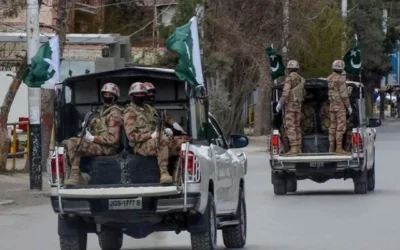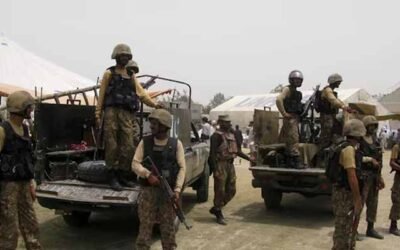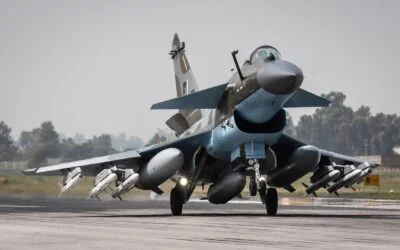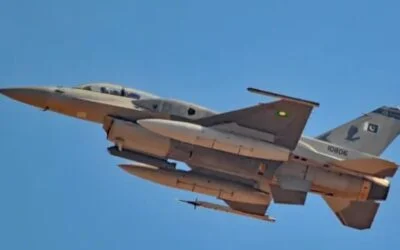
Modern air power is the foundation of Pakistan’s counterterrorism and border security strategy. Pakistan’s military doctrine emphasizes real-time intelligence and rapid air response. In Operation Ghazab-lil-Haq, for example, Pakistani planes penetrated deep into Kandahar city to strike Taliban command posts with precision. The military stresses that the ‘seamless integration of real-time intelligence and swift response forces’ guarantees that no enemy can challenge Pakistan’s sovereignty. Today’s PAF forces are equipped with high-speed fighter aircraft, armed unmanned aerial vehicles, and a surveillance network to detect threats early and strike with precision when needed.
🚨⚠️Operation Ghazab Lil Haq/ Update 01:50 hr 27 Feb 2026:
Effective Air Strikes by Pakistan in Response to Afghan Aggression, intel Sources
In the air strikes, a major ammunition depot was destroyed by accurately identifying hideouts in Nangarhar, further strikes ongoing,… pic.twitter.com/hEIKBp4OM6
— Pakistan Armed Forces News 🇵🇰 (@PakistanFauj) February 26, 2026
Important airpower capabilities include:
Precision Strike Aircraft
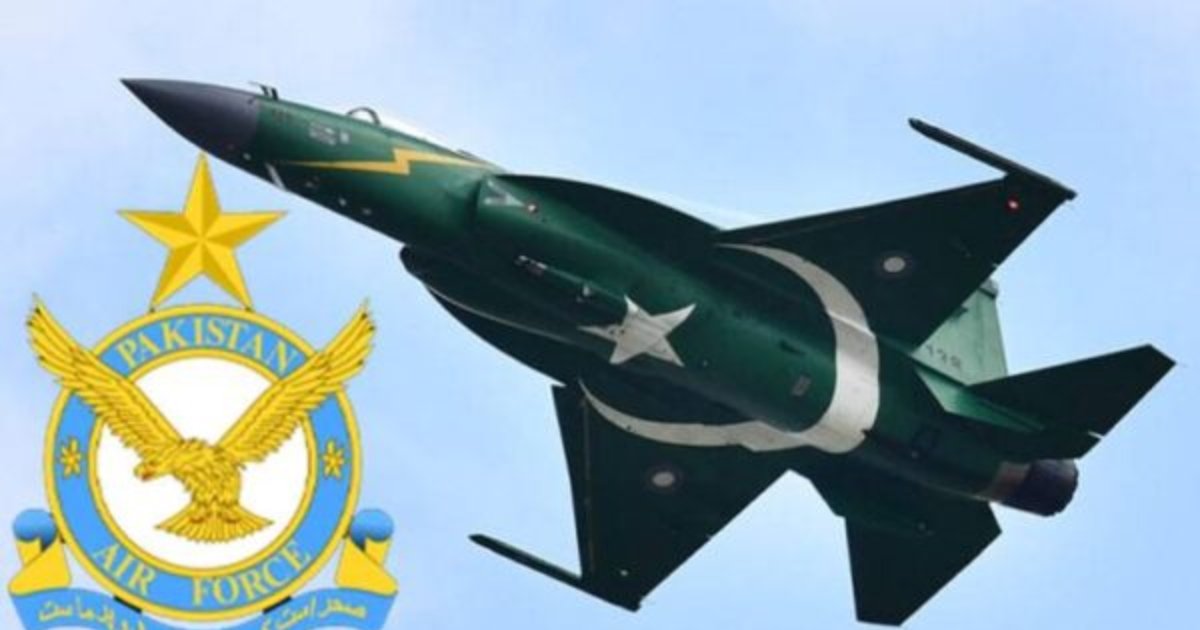
Modern jets like the indigenously upgraded JF-17 Block III and China-built J-10C carry precision-guided munitions and long-range missiles. These platforms are used to deliver rapid kinetic firepower directly to terror hideouts. In Ghazab-lil-Haq, PAF’s air assets destroyed the Afghan Taliban’s 205th Corps headquarters in Kandahar, turning it into rubble using PGMs.
Intelligence, Surveillance, and Reconnaissance (ISR) Assets
Airborne early-warning radars (e.g., Erieye and Karakoram Eagle AWACS) and ISR drones have significantly enhanced Pakistan’s surveillance of airspace beyond its borders. Pakistan’s National ISR & Integrated Air Operations Centre combines data from drones, satellites, and radar to monitor insurgent movements. PAF exercises (like ‘Golden Eagle’) now focus on manned-unmanned teaming, using both UAVs and LGM in an integrated ‘home-built multi-domain kill chain.’ This enables striking aircraft to be guided by friendly drones or AWACS to precise targets in real time.
Rapid Reaction
Air units are on constant alert to repel incursions. During cross-border attacks, PAF fighters can scramble within minutes. In February 2026, Pakistani jets retaliated against Taliban shelling by attacking several Afghan sanctuaries in the middle of the night. Islamabad reports more than 50 precision airstrikes on about 180 Taliban camps and logistical posts since late February 2026, all based on actionable intelligence. These rapid counterstrikes deny militants the time and safe havens necessary for regrouping.
Precision Strikes and Operational Impact
Satellite imagery and battle-damage assessments highlight the accuracy of Pakistan’s air campaign. For example, a high-resolution satellite image of Bagram Air Base (March 1, 2026) shows destruction of specific targets: at least one hangar, some warehouses, Taliban aircraft, and other hardware. The strike eliminated UH-60 Black Hawk helicopters, a C-130 transport, a Tucano attack plane, and stocks of JDAM bombs. These data support Pakistani claims of targeted hits on militant infrastructure.
🔴⚠️Operation Ghazab lil Haq#Pakistan Airstrikes Destroy Key Taliban Assets at Former U.S. Bagram Base
According to Satellite images from Airbus, obtained by The New York Times, confirms 1st of March strikes reduced structures to debris and destroyed Taliban equipment… pic.twitter.com/diIxMBbP0N
— Pakistan Armed Forces News 🇵🇰 (@PakistanFauj) March 3, 2026
Such precise attacks force terrorists to scatter. After strikes on Kandahar, Nangarhar, and Bagram, Taliban networks faced overwhelming firepower and retreated, leaving caches and posts empty. The ISPR calls this ‘decisive operations,’ with militants fleeing deep into Afghan territory after abandoning key positions. By destroying command centers and ammo dumps, PAF strikes disrupt terrorist logistics and communication. According to reports, ‘242 militant check posts‘ have been neutralized in border areas, steadily weakening militant sanctuaries.
Coordinated air-ground campaigns reinforce this effort. PAF jets decapitated the enemy leadership in Kandahar, while Army infantry stormed border posts simultaneously. The goal is to soften and disorganize targets to enable quick clearance by ground forces. This synchronized approach keeps Pakistani casualties low and maintains pressure on insurgents. Pakistan’s message to militants and sponsors is clear: cross-border aggression will be met with ‘zero tolerance’ and immediate retaliation.
Intelligence and Minimizing Collateral Damage
Pakistan emphasizes a strict targeting protocol to reduce civilian casualties. Official statements stress that air strikes rely on reliable intelligence and target hideouts and weapon depots only, not civilian areas. Operations focus on ‘military installations and terrorist hideouts only,’ following ‘the highest standards of professional conduct.’ The Foreign Office describes strikes as intelligence-based anti-terrorist operations, targeting militants responsible for recent attacks.
In practice, Pakistan’s ISR network (drones, AWACS, human intel) identifies specific terror cells before striking. This precision helps degrade militancy while minimizing collateral damage. Domestic support for this approach remains high, as it demonstrates resolve against those who ‘weaponized Afghan soil’ to attack Pakistani civilians.
Strategic Outcomes
Overall, these air operations have transformed Pakistan’s security environment. Domestic terror attacks have decreased, and militants report low morale and defections following major operations. Eliminating sanctuaries along the Durand Line secures the western border. The advanced ISR and precision strike capabilities of the PAF also serve as a deterrent to eastern frontier encroachments, control of air superiority, and readiness (proven during the 2019 ‘Swift Retort’ operation) signal that any aggression on the Line of Control will face massive retaliation.
Furthermore, Pakistan’s enhancement of its air power has regional consequences. Islamabad’s assertive actions against terrorist threats across the China-Pakistan Economic Corridor and regional trade routes are welcomed by China and neighboring countries. Meanwhile, Pakistan reaffirms its sovereignty: as the Air Chief states, “Pakistan is a responsible country which desires peace with honor,” supported by indigenous innovation, ensuring Pakistan can maintain its principled stance and respond decisively to any border violations.
Conclusion
The PAF today functions as a multi-domain shield for Pakistan. Its fighter jets, drones, AWACS, and command networks work together to gather intelligence, monitor porous borders, and conduct accurate strikes. Credible reports, ranging from ISPR communiques to satellite assessment reports, highlight that this air-centric approach is now central to Pakistan’s success in counterterrorism and border defense. As one defense analyst explains, Pakistan’s evolving air doctrine employs speed, flexibility, and lethality to achieve superior precision and accuracy, keeping the enemy under constant pressure.
You May Like To Read: Operation Ghazab-lil-Haq: Strategic Ammunition Depots in Kabul and Nangarhar Destroyed