The core of the current crisis is Islamabad’s longstanding charge that Afghanistan has become a haven for Fitna-al-Khawarij and other militants. Pakistani officials cite estimates that 3,000 to 4,000 TTP fighters operate from Afghan territory. They point to a dramatic rise in cross-border attacks since Kabul’s 2021 takeover: the number of refugees taking shelter in Pakistan has decreased, while violence has risen.
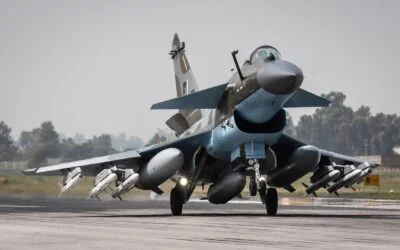
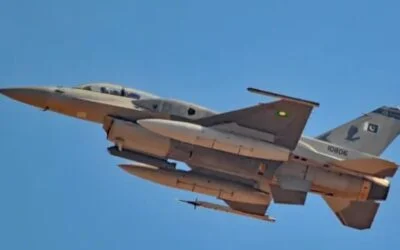
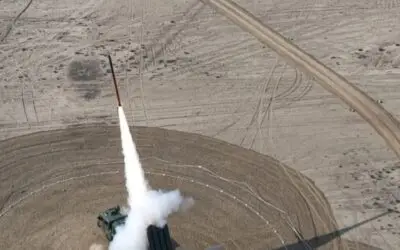
Kabul has consistently denied providing safe havens, even as attacks on its security forces increased, which led to the border skirmishes and even increased terrorist activities in Pakistan. In response, Pakistan retaliated defensively and started Operation Ghazab-lil-Haq. The government has repeatedly warned that those harboring FAK and FAH are not Pakistan’s friends and that any Afghan inaction will be met with a firm military response.
🔊PR No.5️⃣5️⃣/2️⃣0️⃣2️⃣6️⃣
Pakistan’s Actions in Self-Defence against Terrorist Attacks and Military Provocations from Afghanistan
🔗⬇️https://t.co/XeuSsxsLs2 pic.twitter.com/L79LsjGRHt
— Ministry of Foreign Affairs – Pakistan (@ForeignOfficePk) February 27, 2026
Indeed, a UN analytical report cited by Pakistani media confirms Islamabad’s claim: it noted that “numerous high-profile attacks in Pakistan” were carried out from Afghan soil, and that the Taliban de facto authorities deny such terror groups despite growing evidence. Islamabad, therefore, describes Kabul’s inaction as inexcusable “plausible deniability”. Such safe-haven concerns have transformed what was a cross-border terrorism issue into an acute sovereignty dispute along the Durand Line.
Thousands of FAK militants are residing in Afghan provinces, and Pakistan also witnessed a large increase in infiltration into Khyber Pakhtunkhwa and Balochistan. The UN’s Monitoring Team supports this view and says regional states believe Afghanistan is increasingly a source of insecurity because of unrestrained insurgent groups.
The 16th Report of the UN Security Council’s Analytical Support and Sanctions Monitoring Team has presented a stark assessment of Afghanistan’s security situation, directly rejecting the claims of Afghanistan’s interim government that Afghan soil is not being used for terrorism. pic.twitter.com/LfAzKLxVRL
— APP (@appcsocialmedia) December 19, 2025
Islamabad has “repeatedly urged” the Taliban regime in Kabul to clamp down on these sanctuaries, but Afghan leaders insist they lack control or deny the problem outright. Meanwhile, reports from the Pakistani military reveal that dozens of TTP leaders were killed inside Afghanistan, further negating Kabul’s denials. In the absence of credible action from Kabul, Pakistani patience has worn thin – the Foreign Office said Pakistan would treat the Taliban regime as an enemy” if it continues to allow these groups operational freedom.
Diplomatic Deadlock and Failure of Border Agreements
Repeated diplomatic attempts to solve the problem have collapsed. In early 2025, Pakistan mounted renewed engagement. Foreign Minister Ishaq Dar visited Kabul to press security concerns, including the use of Afghan soil by the TTP. But the talks soon became deadlocked as relations between the two states deteriorated due to increased cross-border terrorism.
BREAKING:
Pakistan Urges Afghanistan To Take Concrete Measures against TTP and BLA
The Pakistani Deputy Prime Minister and Foreign Minister, Ishaq Dar highlighted a recent surge in terrorist attacks inside Pakistan perpetrated by groups operating from Afghan soil, urging the… pic.twitter.com/kRANPYiIYm
— The Khorasan Diary (@khorasandiary) August 20, 2025
By October 2025, mediators (including Turkey and Qatar) had held three rounds of talks in Doha and Istanbul on a truce and action plan. Pakistan maintained its position that cooperation would be contingent on Kabul taking verifiable steps against militants. The Afghan delegation refused to give written assurances about dismantling TTP networks. In Islamabad’s view, “logical and reasoned demands that Pakistan has presented are legitimate, but the Afghan Taliban delegation is not ready to fully accept them.” Talks in Turkey ended without a breakthrough. Islamabad noted continued insurgent infiltration during the peace parleys, “casting doubts on the intentions” of Kabul’s interim government.
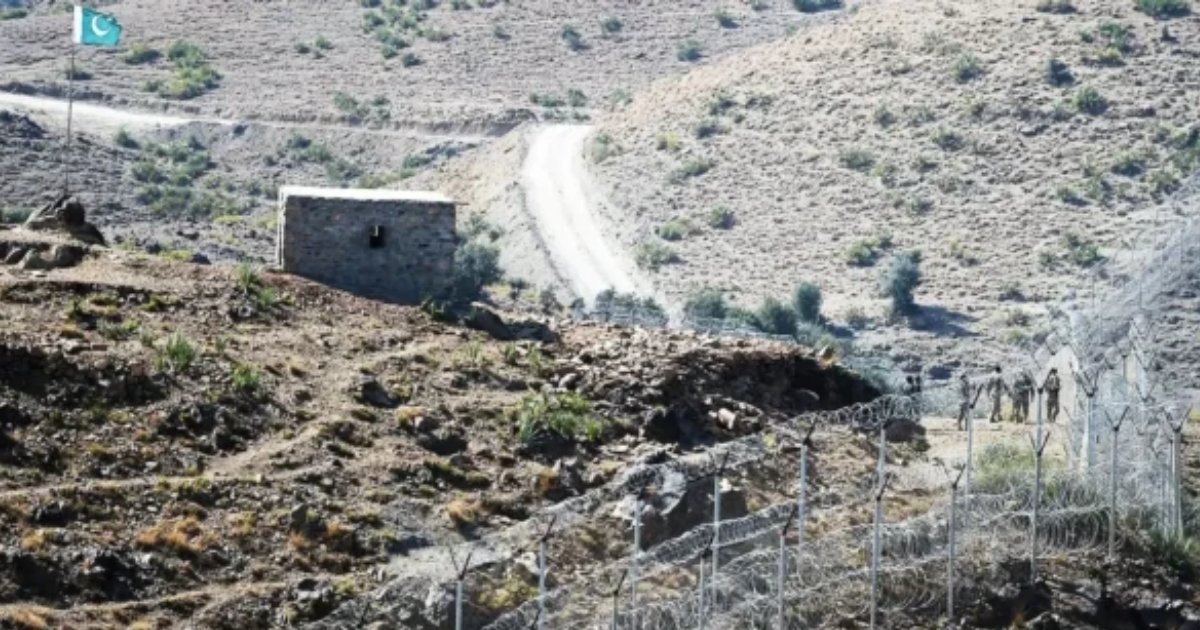
Efforts to formalize border management have also collapsed. Border fencing and gating agreements have failed to stop incursions. Pakistani statements emphasize that Kabul needs to ensure effective border management and deliver on its Doha commitment to deny Afghan soil to terrorists. Islamabad created buffer zones and urged transit controls, although mistrust developed because attacks continued even after temporary ceasefires.
Notably, there were several infiltration attempts by fighters crossing at night that were foiled by the Pakistani force – evidence that border guards were still getting away even as officials were negotiating ceasefire terms. In short, bilateral security understandings collapsed in 2025. Pakistan’s side insists that it offered peace and cooperation, but only if Kabul “acts decisively” against TTP and allied groups. The lack of a tangible Afghan response hardened Islamabad’s stance: authorities have warned that no compromise is in the cards without action on terrorism.
On 24-25 October 2025, movements of two large groups of khwarij, opposite general area Ghaki, Kurram District and Spinwam, North Waziristan District who were trying to infiltrate through Pakistan-Afghanistan border, were picked up by the security forces.
Own troops effectively… pic.twitter.com/o5GtmEjFPd
— DG ISPR (@OfficialDGISPR) October 26, 2025
Militancy Spillover and the Deepening Sovereignty Crisis
The collapse of talks between Islamabad and Kabul coincided with a visible rise in militant attacks inside Pakistan. From late 2025, TTP-linked violence increased, reinforcing Pakistan’s long-standing allegations that anti-state actors were operating from Afghan soil. A February 2026 report presented to the UN Security Council recognized an increase in cross-border attacks on Pakistan. This validation strengthened Islamabad’s narrative and deepened mistrust between the two neighbors.
The violence was no longer restricted to border districts. Attacks were carried out in Khyber Pakhtunkhwa, Balochistan, and even Islamabad, including a high-profile attack on a courthouse in late 2025. Pakistani officials argued that the TTP had increased its operational space in Afghanistan and access to advanced weapons. Kabul, however, denied using its soil against Pakistan, creating a widening credibility gap.
Each incident reinforced Islamabad’s view that Pakistan’s sovereignty was at stake. Border skirmishes and exchanges of fire increased the intensity. What seemed at first glance to be a manageable security problem escalated into an overall dispute over sovereignty. As a result, mistrust solidified into open strategic friction between Islamabad and Kabul.
Refugee Repatriation and Enhanced Regional Fallout
In addition to the security crisis, another source of tension was the accelerated repatriation of undocumented Afghan nationals by Pakistan. Islamabad reasoned that hosting refugees over the decades created immense economic and security pressure on the state. The movement is a sovereign right and necessary to prevent militant infiltration. The policy was introduced as part of an overall internal stabilization strategy.
By late 2025, large numbers of Afghans had returned due to the government’s campaign. Pakistani authorities had identified the refugee issue as a border control and national security concern. Kabul, however, criticized the speed and scale of the deportations. This difference in perspective widened diplomatic strain at a sensitive time. The refugee issue turned the dispute from purely security-driven to humanitarian and political. Pakistan argued that it had met its moral obligations for decades. Afghanistan considered the expulsions to be sudden and destabilizing. Together, militancy and repatriation added to the stresses and brought bilateral relations to a deeper crisis.
Just IN:— Afghan Taliban criticises Pakistan for deciding to deport illegal Afghan refugees in Pakistan.
— Taliban spokesperson says this is “unacceptable”, asks Pakistani govt to “reconsider” the decision.
— Earlier, Pakistan announced that it will deport all illegal aliens,…
— South Asia Index (@SouthAsiaIndex) October 4, 2023
Conclusion
The tensions between Islamabad and Kabul have moved beyond militancy to encompass broader issues of sovereignty, border management, and regional stability. Pakistan believes that the Afghan government’s failure to control the TTP’s activities and the failure of negotiated frameworks to resolve the issue have created a security crisis that can only be addressed through a firm deterrent posture. As the Pakistan Foreign Office has stressed, Islamabad is committed to peace but insists that “terrorism emanating from Afghanistan needs to be addressed first and foremost.” Pakistan’s current position, a combination of strengthening countermeasures and maintaining diplomatic outreach, reflects a strategic need to safeguard its territorial integrity and public order.
You May Like To Read: Operation Ghazab-lil-Haq Intensifies; Taliban Key Posts in Arandu and Kurram Sectors Decimated by Security Forces