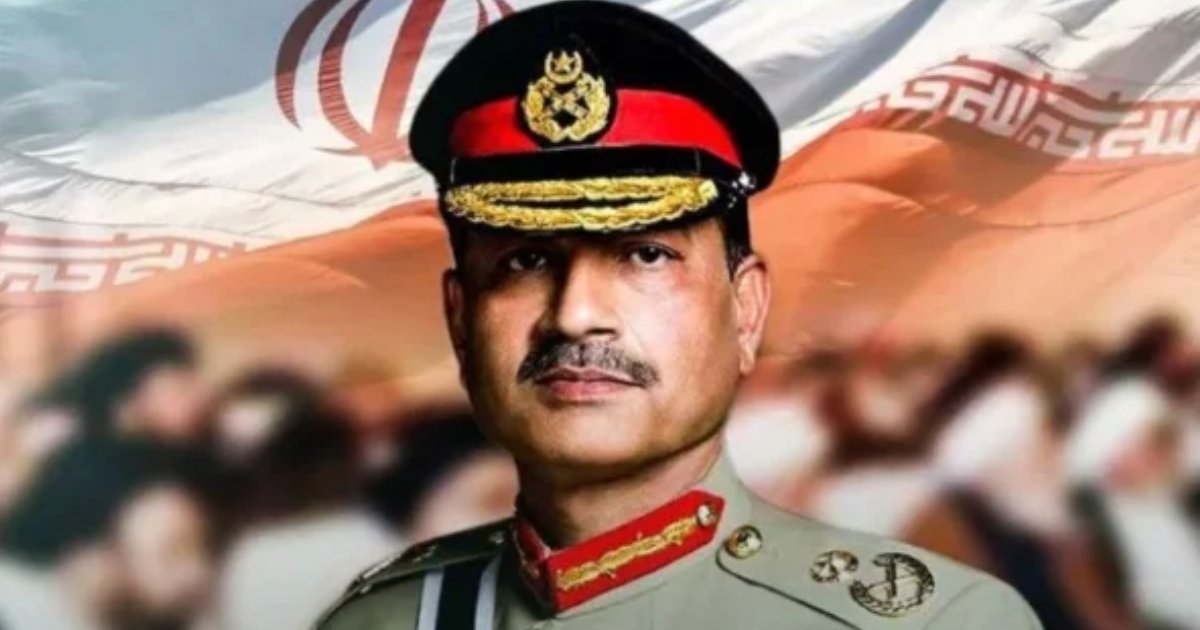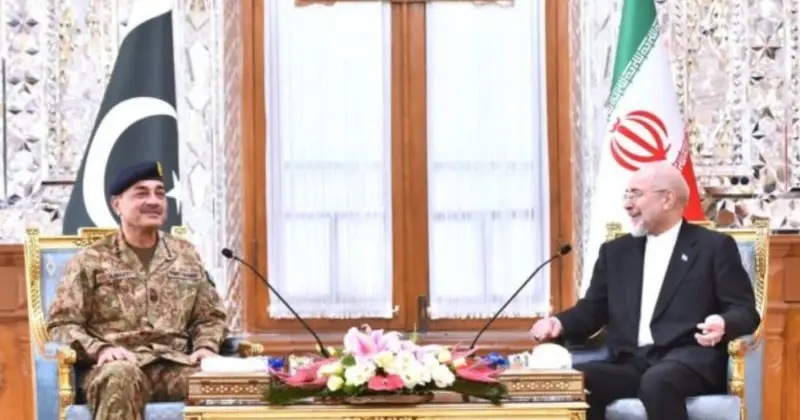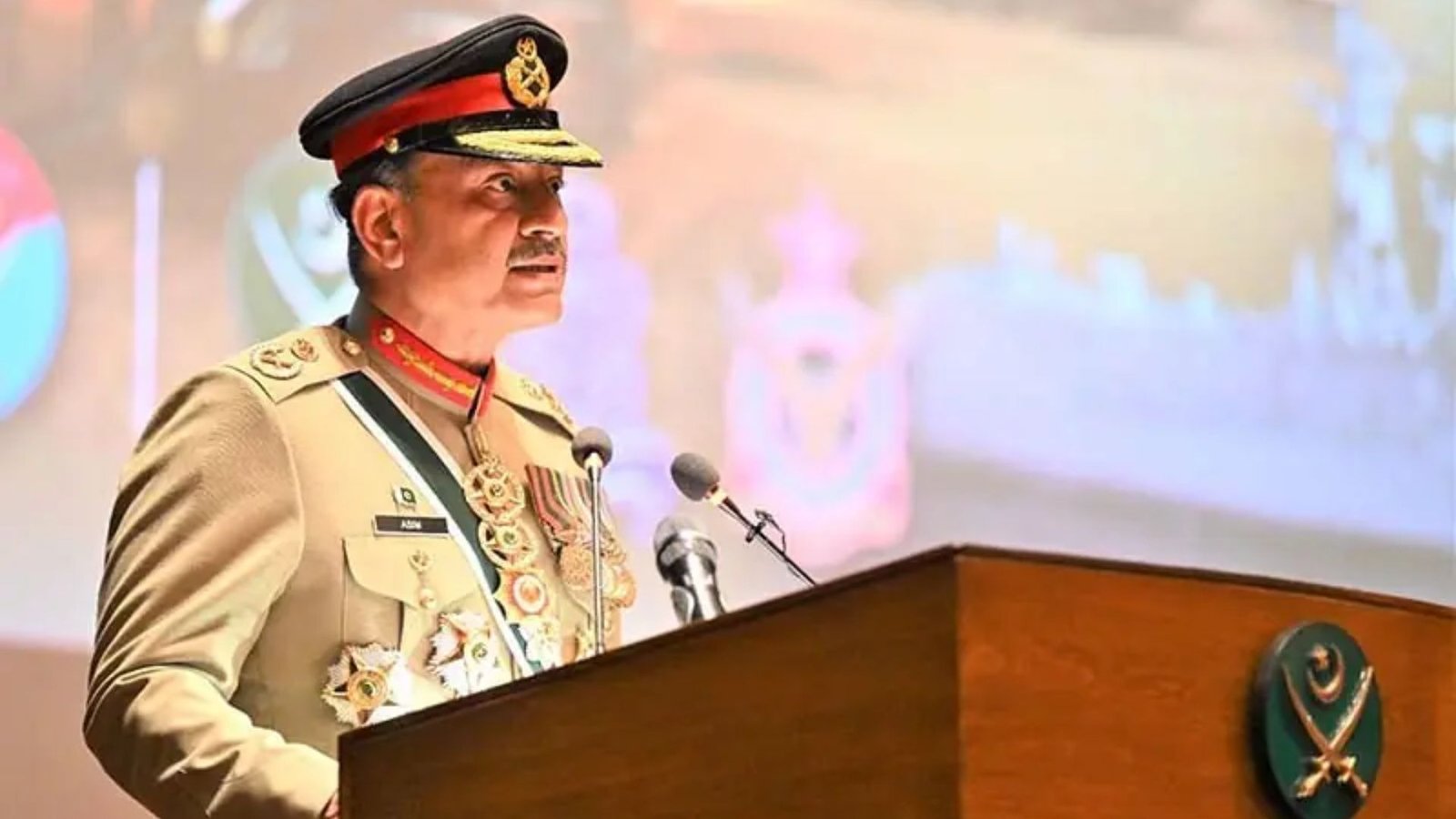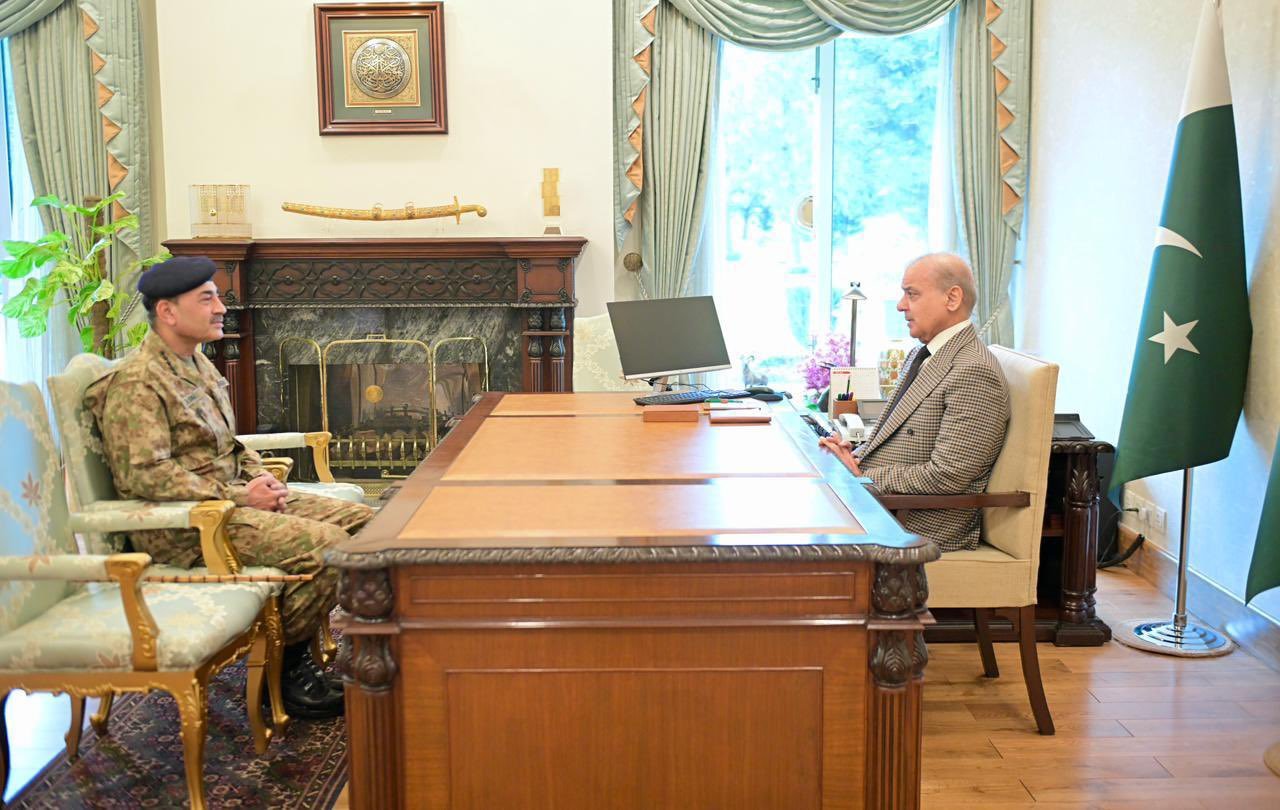
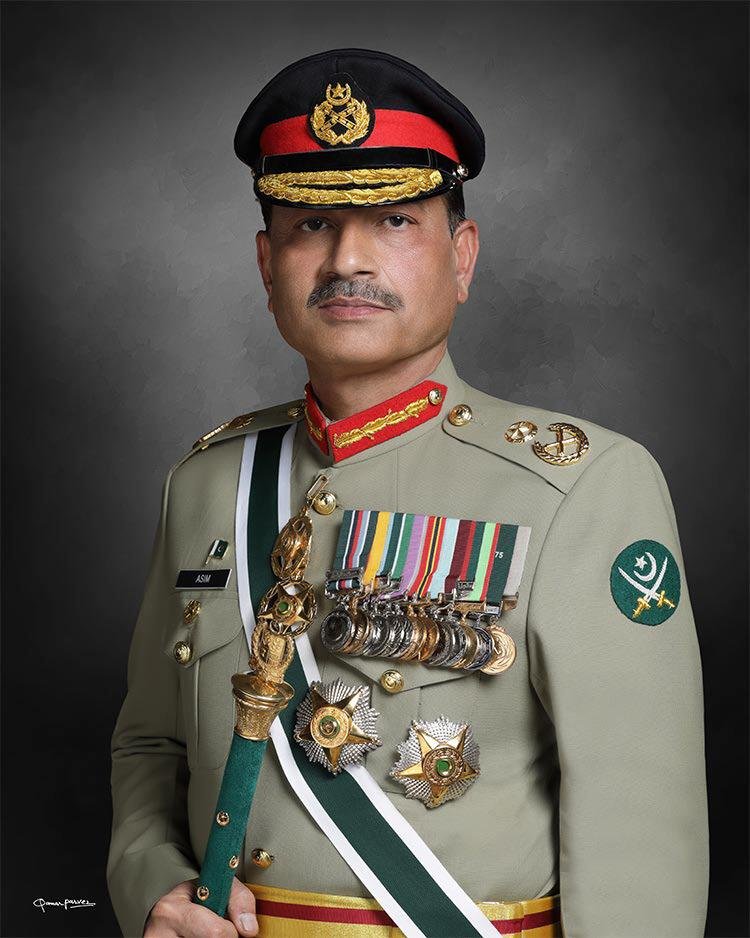
Field Marshal Syed Asim Munir Ahmed Shah stands as one of the most consequential military leaders in Pakistan’s modern history, a soldier whose career has been defined by precision, discipline, and unwavering resolve in the face of national and regional challenges. Rising from humble beginnings in Rawalpindi to the exalted rank of Field Marshal, he became the architect of several decisive counterterrorism and border security operations that reshaped Pakistan’s internal and external defense posture. His leadership style has often been described as a rare fusion of strategic foresight and operational strictness, combining deep faith with a professional rigor that tolerates neither complacency nor compromise. Whether commanding intelligence agencies at critical junctures, leading XXX Corps on Pakistan’s eastern front, or orchestrating Operation Bunyan-um-Marsoos against cross-border hostilities, Field Marshal Munir earned a reputation for meticulous planning, swift execution, and institutional neutrality. To his officers and soldiers, he became a model of discipline and quiet strength; to the nation, he emerged as a symbol of resilience, embodying the enduring belief that Pakistan’s defense rests on both faith and force.
Early Life and Family Roots
Field Marshal Syed Asim Munir Ahmed Shah was born in 1968 in Rawalpindi, a city long known as the garrison hub of Pakistan. His father, Syed Sarwar Munir Shah, was a respected school principal and imam, whose dual roles in education and religious life shaped Asim Munir’s early values. From childhood, he was instilled with the importance of discipline, humility, and service, principles that would later define his military and spiritual journey.
Education and Military Training
In 1986, Asim Munir joined the Officers Training School (OTS), Mangla, beginning a career of dedication and perseverance. His brilliance shone early when he received the Sword of Honour, awarded to the best cadet of his course. Commissioned into the Frontier Force Regiment, he started a steady climb through the ranks.
Munir’s pursuit of knowledge remained constant throughout his service. He attended the Fuji School in Japan, the Armed Forces Defence College in Malaysia, and the Command and Staff College, Quetta. Later, he secured an MPhil in Public Policy and Strategic Security Management from the National Defence University (NDU), Islamabad.
During a posting in Saudi Arabia, he also memorized the Qurʾān, earning the distinction of Hāfiẓ, combining military professionalism with deep spiritual devotion.
Rising Through the Ranks
Asim Munir steadily rose through Pakistan’s military hierarchy. Known for his discipline and quiet determination, he impressed his superiors with both his operational ability and academic rigor. His reputation as a soldier of principle was well established long before he reached the higher tiers of command.
Director-General of Military Intelligence and ISI
In 2017, General Munir was appointed Director-General of Military Intelligence (MI), where he enhanced the Pakistan Army’s internal intelligence capabilities. A year later, in October 2018, he became the Director-General of Inter-Services Intelligence (ISI), Pakistan’s premier spy agency.
This appointment was historic: Munir became the first officer who would go on to serve as head of both MI and ISI before becoming Army Chief. Though his tenure at ISI lasted only eight months, due to differences with the civilian government of the time, it cemented his reputation as a firm, uncompromising officer who placed institutional integrity above political convenience.
Commanding XXX Corps and GHQ Responsibilities
In 2019, General Munir was entrusted with the command of XXX Corps in Gujranwala, one of the Pakistan Army’s most important strike formations. Under his leadership, the corps strengthened its operational readiness along the eastern border.
Later, in 2021, he was appointed Quartermaster General at GHQ Rawalpindi, overseeing logistics, supply, and the vast administrative network of the Pakistan Army. These roles prepared him for the highest office in the military by broadening his experience beyond intelligence and field command.
Appointment as Chief of Army Staff
On 29 November 2022, General Asim Munir was appointed the 17th Chief of Army Staff (COAS) by Prime Minister Shehbaz Sharif, with the approval of President Arif Alvi. This appointment was significant not only for its timing during a politically turbulent period, but also because Munir was the first Army Chief who had previously headed both MI and ISI.
As Army Chief, he emphasized professionalism, institutional neutrality, and non-interference in politics. His approach distinguished him from many of his predecessors and reinforced the image of the military as a disciplined, apolitical guardian of national security.
Leadership as Army Chief
During his tenure as COAS, General Munir addressed multiple challenges with strategic clarity:
- Counterterrorism Operations: He spearheaded intelligence-based operations in Balochistan and Khyber Pakhtunkhwa, targeting militant groups that threatened Pakistan’s internal stability and CPEC projects.
- Border Security: He strengthened surveillance and defense mechanisms along the Pakistan-Afghanistan border, demanding that the Afghan Taliban curb cross-border activities of the Tehreek-e-Taliban Pakistan (TTP).
- India and Kashmir: He consistently reinforced Pakistan’s stance on Kashmir, calling it the nation’s “jugular vein”, while maintaining operational preparedness against Indian aggression.
Through these initiatives, General Munir balanced Pakistan’s internal security needs with regional strategic realities.
Operation Bunyan al Marsoos
The year 2025 proved decisive in General Munir’s career. After a sharp escalation with India, triggered by cross-border attacks and retaliatory strikes, he led Operation Bunyan-um-Marsoos. The counteroffensive restored Pakistan’s strategic position and reassured the public of the army’s ability to defend national sovereignty.
The operation became a turning point, symbolizing the resolve, discipline, and strategic acumen that defined his leadership.
Promotion to Field Marshal
In recognition of his exceptional service, the Government of Pakistan promoted General Asim Munir to the rank of Field Marshal in May 2025, making him only the second officer after Ayub Khan to receive the five-star rank.
The ceremony was held in Islamabad with the presence of the President, Prime Minister, cabinet members, and military leadership. Field Marshal Munir was presented with the Field Marshal’s baton, a historic moment marking the highest honor a soldier could attain.
His promotion reflected not only personal achievement but also a tribute to the Pakistan Army and its sacrifices.
Public Response and Legacy
Field Marshal Munir’s rise to the highest rank evoked widespread admiration across Pakistan. Surveys showed overwhelming public support for his leadership, with many citizens crediting him for restoring national pride.
At the same time, his elevation sparked debate among political analysts about the role of the military in Pakistan’s democracy. Some drew comparisons with Ayub Khan’s era, questioning whether history might repeat itself. Yet, Field Marshal Munir consistently emphasized that his loyalty lay with the Constitution and that the military’s role was to defend sovereignty, not interfere in governance.
Character and Values
Throughout his journey, Field Marshal Munir has been recognized not only for his military brilliance but also for his personal humility, spiritual devotion, and unwavering discipline. His memorization of the Qurʾān, his Sword of Honour distinction, and his long record of service reflect a rare balance of faith and professionalism.
He has often stated that the honor of Field Marshal is not his alone, but belongs to the collective spirit and sacrifice of the Pakistan Armed Forces.
From his humble beginnings in Rawalpindi to commanding Pakistan’s military at the highest rank, Field Marshal Syed Asim Munir Ahmed Shah’s life stands as a testament to faith, resilience, and duty. His career has been defined by integrity, operational excellence, and a steadfast commitment to the Constitution.
As only the second Field Marshal in Pakistan’s history, his story is not just that of a soldier but also of a leader whose legacy will shape the future of the armed forces and inspire generations to come.