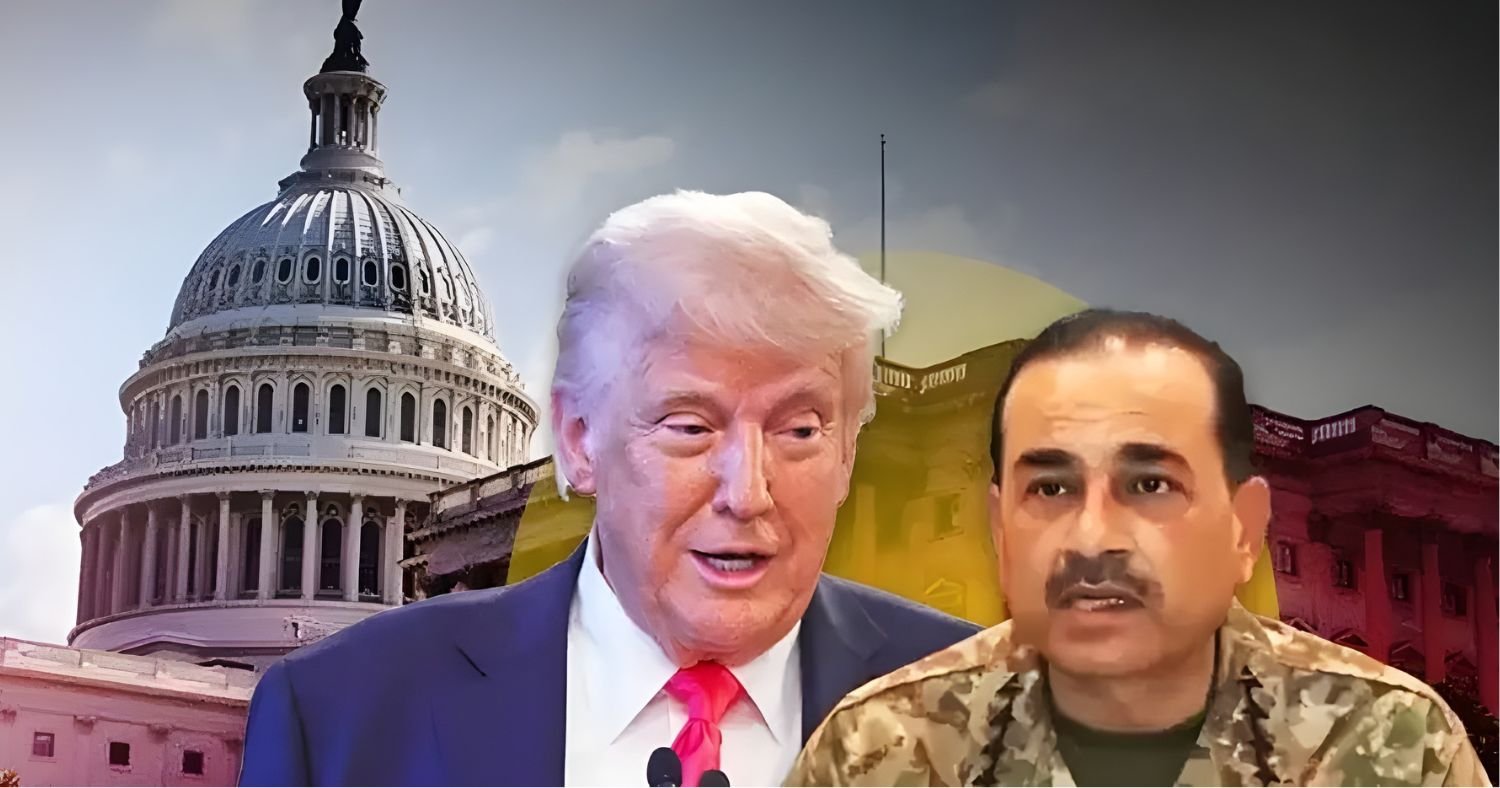
Pakistan’s army chief, Field Marshal Syed Asim Munir, made history in Washington in 2025. He undertook two high-profile visits seen as a chance to widen the bilateral agenda. In mid-June, General Asim Munir became the first serving Pakistani general invited to the White House. He met President Donald Trump over a long luncheon. The two leaders discussed trade, energy, and regional security. COAS Asim Munir returned in early August. He attended the U.S. Central Command change-of-command ceremonies. He also met senior U.S. military leaders, including General Dan Caine.
Field Marshal Syed Asim Munir, NI (M), Chief of Army Staff (COAS), is undertaking an official visit to the United States. During the visit, he has engaged in high-level interactions with senior political and military leadership, as well as members of the Pakistani diaspora.
In… pic.twitter.com/kXW4vhMMTr
— PTV News (@PTVNewsOfficial) August 10, 2025
During his U.S. trips, Munir met Washington’s defense and political leadership. He also connected with the Pakistani-American community and called them “brain gain”. Pakistani media noted how he urged the diaspora to help attract foreign investment. This showed Islamabad’s aim to link military outreach with economic gains. Together, the visits marked a clear push to reshape Pakistan-U.S. ties. The focus was on moving beyond the old pattern of counter-terror cooperation.
دورہ امریکہ کے دوران آرمی چیف، فیلڈ مارشل سید عاصم منیر کا پاکستانی کمیونٹی سے خطاب pic.twitter.com/aCHD9JNuVv
— PTV News (@PTVNewsOfficial) August 10, 2025
From Security-Centric History to Broader Engagement
For decades, Pakistan-U.S. relations centered on security and counterterrorism. This legacy came from the Cold War and War on Terror eras. Munir’s diplomacy in Washington seeks to break that pattern. Both Pakistani and U.S. media stressed that his meetings with Trump covered more than security. They discussed trade, economic development, and even cryptocurrency. Pakistan’s military said Trump showed “keen interest in forging a mutually beneficial trade partnership” with Pakistan.
Pakistan is now responding to U.S. overtures in new areas. It is inviting American firms into its energy and technology sectors. It is also discussing climate and connectivity cooperation. By using the army chief as the key interlocutor, Islamabad is rebranding the traditional military channel. The goal is to pursue non-traditional fields. This form of “military diplomacy” carries strong political backing. The government has framed these visits as equal-footing engagement, not aid-seeking. The core message is clear. Pakistan is a sovereign partner working on win-win projects. This marks a shift from older portrayals of Islamabad as only a recipient of U.S. security assistance.
Source: The Nation
Trade, Energy, and Investment Prospects
The Washington talks have already produced economic results. In late July 2025, President Trump announced on social media that the U.S. and Pakistan would jointly develop Pakistan’s “massive oil reserves.” Pakistani leaders hailed the deal as “historic.” They saw it as a breakthrough in energy cooperation. The informal agreement was to select an oil company to lead joint exploration. It marked a milestone. It showed that U.S. capital and expertise may soon enter Pakistan’s upstream sector. The U.S. agreed to modify tariffs, applying a 19% duty on Pakistani imports instead of the earlier 29%. The new rate is still higher than what most U.S. partners face. Yet it signals that Pakistan’s outreach is paying off in tariff talks.
US President Donald Trump signed an executive order revising tariffs, reducing the duty on Pakistani goods from 29 per cent to 19 per cent.#USPresident #DonaldTrump #Pakistan https://t.co/A89uN2AR5W
— News18 (@CNNnews18) August 1, 2025
These developments show how Pakistan is using new diplomatic momentum to secure economic and technological deals. Washington also stressed cooperation in science, AI, and climate during COAS Asim Munir’s meetings. This hinted at future partnerships beyond defense. On Pakistan’s side, the government raised hopes that defense ties could unlock U.S. tech transfers and infrastructure investment. General Asim Munir also announced a formal invitation to General Caine to visit Pakistan. This was a signal that Islamabad is courting both the Pentagon and Capitol Hill. The strategy is clear. Pakistan is using military-to-military channels to turn talks into trade and investment agreements. If it works, the relationship could shift from aid-dependency to co-development. It would reinforce Pakistan’s narrative of “trade, not aid.”
You May Like To Read: How Indian Media Covered the Pak-Saudi Defence Deal
Counterterrorism and Regional Stability
In these talks, Pakistan highlighted its ongoing role in regional security and counterterrorism. President Trump, in public remarks, thanked Munir for helping “end” the recent India-Pakistan conflict. This underscored Pakistan’s constructive influence. Islamabad remains alert to extremist threats from Afghanistan. Pakistan also used the visits to rebuild military cooperation, once sidelined over Afghan issues. Arab News reported that under the new U.S. administration, “Washington has praised Pakistan’s leadership and reinstated military cooperation previously curtailed over Afghanistan-related concerns.”
Source: Arab News
Balancing Multiple Partnerships
Pakistan is approaching U.S. outreach through balanced diplomacy. Islamabad presents its engagement with Washington as one pillar of a multi-aligned foreign policy. Diplomats and analysts remind audiences that Pakistan also holds strong ties with China, Turkey, and the Gulf states. Even while General Asim Munir was in Washington, Islamabad carried out major defense drills and signed trade deals with Beijing. An ISSI policy brief noted that Pakistan “has strived to sustain mutually beneficial relations” with both Washington and Beijing, despite their rivalry.
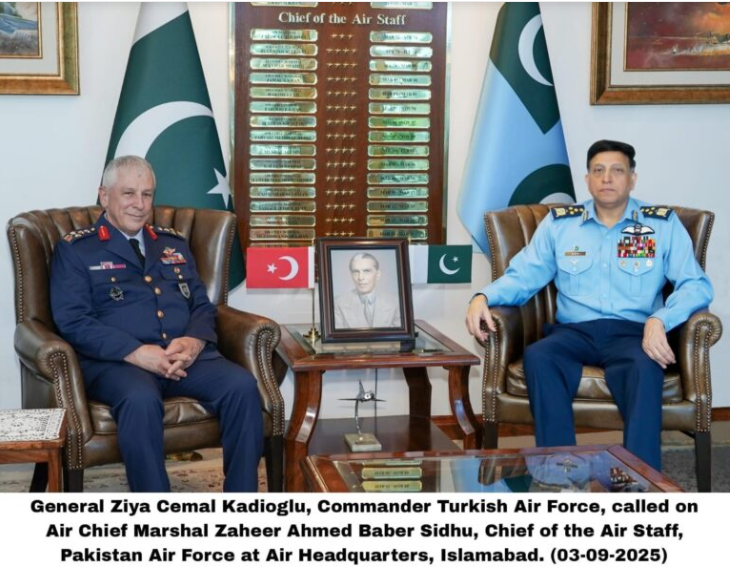
President Aliyev’s trust in Pakistan’s role, backed by Turkey, signals that diversifying ties does not mean abandoning China or old partners. Pakistan’s and Turkey’s air chiefs also met in Islamabad. They agreed on even closer cooperation. This showed that the Turkey axis remains strong. The balancing act is part of Pakistan’s clear narrative. It seeks U.S. investment and technology as an equal partner. But Pakistan will not sacrifice its strategic autonomy. The design of COAS Munir’s visit proves the point. He went without civilian ministers. This highlighted military-to-military ties, running in parallel with Pakistan’s other diplomatic channels.
Source: Pakistan Today
Pakistan is benefiting from all its partnerships. The message is simple. U.S. engagement supports Pakistan’s economy and security. But even more can be achieved by also deepening ties with China, Turkey, and the Gulf. By reaching out to Washington on high-profile terms, Pakistan aims to attract U.S. capital in the technology and climate sectors. At the same time, it continues to advance flagship projects like the China-Pakistan Economic Corridor (CPEC).
You May Like To Read: Pakistan-Saudi Mutual Defense Pact: Nuclear Security Implications
Conclusion
COAS General Asim Munir’s Washington visits were framed in Islamabad as a policy success. They showed that Pakistan can engage the U.S. as a full partner in trade and development, not just as a security client. For Pakistan’s national narrative, the message is clear. It is not seeking aid. It is asserting its interests through military diplomacy. The theme is confidence and independence. Munir told the diaspora that Pakistan’s future is bright. He said Pak-U.S. engagement can be a “brain gain,” attracting investment to drive progress. Whether this optimism turns into reality depends on follow-through, such as real energy and tech deals. Still, the tone of these visits was clear. Pakistan projected itself as a sovereign, forward-looking actor, engaging the U.S. on equal terms.
You May Like To Read: The Propaganda War: How the BLA (Fitna-al-Hindustan) Shapes Its Digital Battlefield