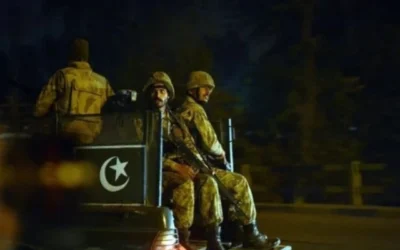
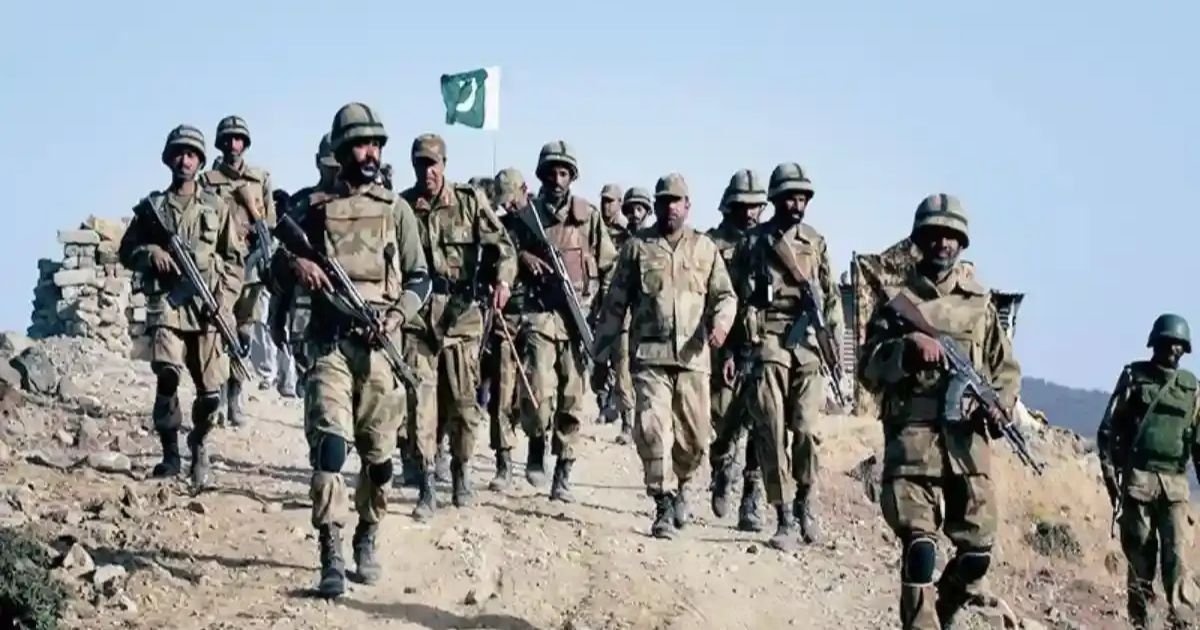
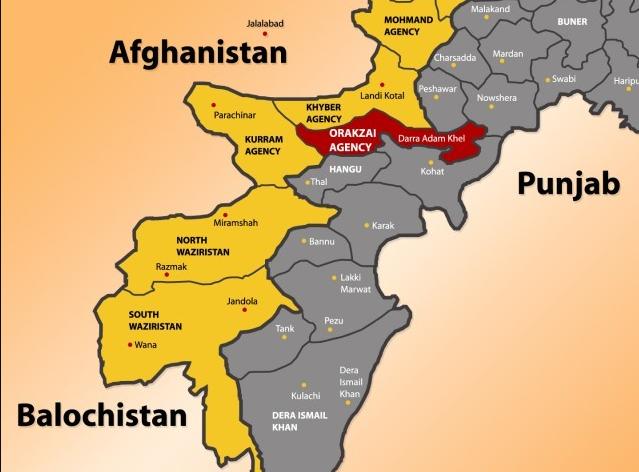
On October 7, 2025, A foreign-funded terrorist group, FAK, formerly known as TTP, attacked a Pakistani military convoy in the Orakzai District near the Afghan border. Eleven soldiers, including Lt. Col. Junaid Tariq and Major Tayyab Rahat, were martyred when the convoy was subjected to intense fire. According to the army, 19 militants were killed during the clash. The deaths of two officers shocked the country. The Pakistani army accused an India-supported TTP group called Fitna al-Khawarij, active in Orakzai. The national media and military statements highlighted the scale of the attack and prepared the nation for a quick and decisive response.
On night 7/8 October 2025, Security Forces conducted an intelligence based operation in Orakzai District, on reported presence of Khwarij belonging to Indian Proxy, Fitna al Khwarij.
During the conduct of operation, nineteen Indian sponsored khwarij were sent to hell due to… pic.twitter.com/GQPc8GYwcm
— DG ISPR (@OfficialDGISPR) October 8, 2025
The armed forces of Pakistan immediately retaliated. The next day, they launched one of the largest counterterrorism operations in Jamal Maya, Orakzai, and nearby areas. Inter-Services Public Relations (ISPR) reported that 30 militants involved in the Orakzai ambush were killed in the raids. According to security sources, the troops “sent to hell those responsible,” striking the FAK cell that carried out the attack. The swift response demonstrated the army’s determination to protect its citizens. Official figures indicate approximately 49 militants were neutralized, 19 during the ambush and 30 in subsequent follow-up operations. Eliminating the ambush planners helped restore peace to the troubled district and sent a strong message to other militants.
Security Forces have been conducting a series of retribution operations against the Ks involved in heinous incident that occurred in Orakzai District on 7 October, resulting in the shahadat of brave sons of soil, including Lieutenant Colonel Junaid Tariq and Major Tayyab Rahat.…
— DG ISPR (@OfficialDGISPR) October 10, 2025
Source: DND
Islamabad’s Message to Kabul: Demand to Dismantle Sanctuaries
Islamabad delivered a very clear message to Kabul: destroy terrorist sanctuaries. The civilian and military leadership of Pakistan demanded the rapid response of the Afghan government towards countering cross-border militancy. Prime Minister Shehbaz Sharif warned Kabul to either ally with Islamabad or the Khawarij, the title Pakistan uses to refer to TTP fighters. He made it clear that the people who plan attacks in Pakistan are based in Afghanistan with the strong backing of the Indians. Pakistan is determined to protect its people and sovereignty, and when Sharif promised a befitting riposte to any terror, he emphasized the commitment of Pakistan to defend its people and its sovereignty.
The army spokesperson, Lt. Gen. Ahmed Sharif Chaudhry, also put the blame squarely on Afghanistan. He claimed that the attacks on Pakistan were being launched using Afghan soil, and threatened that the nation would do whatever it takes to ensure that its people were safe. DG ISPR was direct in his message: “Our demand to Afghanistan: your land shall not be used as a source of terrorism against Pakistan”. These statements were highly circulated in the Pakistani media, and they presented the military action as a legitimate self-defense response.
These words were repeated throughout Pakistani media and characterized the operations as legitimate acts of self-defense. Dawn had reported that Islamabad had been urging the Taliban government repeatedly to arrest TTP leaders and dismantle their bases in Afghanistan. Pakistan used diplomatic messages to ensure that protecting its citizens against attacks across the border is not merely a policy, but it is also a matter of national security and sovereignty.
You May Like To Read: Airstrikes Target TTP Hideouts in Kabul and Eastern Afghanistan
Rebuilding Confidence and Reinforcing Resolve
A major consequence of the rapid action by Pakistan was that it served to restore the confidence of the people in Orakzai and the surrounding areas. Railway Minister Hanif Abbasi paid tribute to the Pakistan Army in the operation of Orakzai and said, “The courage and sacrifice of our armed forces in Orakzai set a new example of bravery”. He also said that: “The nation stands united in saluting these heroes who laid down their lives for peace and stability”. The immediate retaliation was not only militarily successful but also contributed to restoring a sense of peace and stability to the population.
On October 10, 2025, Prime Minister Shehbaz Sharif reaffirmed his commitment to eradicating cross-border terrorism. He threatened that friend-like enemies, who protect militants, will not be accepted. Military leaders reiterated a similar stance at the Corps Commanders’ 272nd Conference. They denied provocative rhetoric and promised to make external players responsible. The army confirmed that any aggression or assistance to militants will result in a swift retributive response.
“لاکھوں بچوں کو یتیم ہونے سے بچانے کے لیے شہداء نے قربانیاں دیں، ملک میں فتنہ پھیلانے کی ہرگز اجازت نہیں دیں گے، وقت آگیا ہے اب فیصلہ کن اقدامات کرنا ہوں گے، دہشت گردی کا ہر صورت میں مکمل خاتمہ کرنا ہے۔ دوست نما دشمن دہشت گردوں کو تحفظ دے رہے ہیں، دوست نما دشمن اس ملک کے خلاف لڑ… pic.twitter.com/hHY1rpG0IC
— Government of Pakistan (@GovtofPakistan) October 9, 2025
Conclusion
During the crisis, Pakistani leaders emphasized that their foremost responsibility is to defend the country. Prime Minister Shehbaz Sharif offered tributes to the martyrs of Orakzai, stating that the nation is determined to protect the motherland by all means. His words were echoed by the army officials who stated that, after years of struggle, the eradication of the last remnants of militancy in regions such as Orakzai is essential to the security and sovereignty of Pakistan. Respected outlets agreed with analysts that the rapid operations were necessary and effective. The neutralization of the Orakzai attackers and pressing Kabul to take strong action demonstrated that Pakistan would guard its borders against any threat. The retaliatory measures not only restored peace to the tribal belt but also sent a strong deterrent signal and strengthened the legitimacy of the decision by the Pakistan government to defend its people.
You May Like To Read: Pakistan’s DG Joint Staff Undertakes High-Level Defence Visit to Bangladesh