Pakistan is set to deploy its first Chinese-built Hangor-class submarine in 2026, part of a $5 billion arms deal to deliver eight advanced submarines by 2028. The agreement, hailed by Admiral Naveed Ashraf, boosts Pakistan’s naval strength in the North Arabian Sea and Indian Ocean, countering India’s regional influence. With four submarines built in China and four assembled in Pakistan, the deal enhances technical expertise. Ashraf praised the reliability of Chinese technology and outlined plans for collaboration on AI and unmanned systems. The partnership aligns with the China-Pakistan Economic Corridor, securing energy routes and expanding Beijing’s influence.
The Pakistan Navy expects its first Chinese-designed submarine to enter active service next year, the country’s top admiral told Chinese state media, bolstering Beijing’s bid to counter regional rival India and project power toward the Middle East.https://t.co/gyoiGDrfh8… pic.twitter.com/8Cj4ODQMBU
— Business Recorder (@brecordernews) November 3, 2025
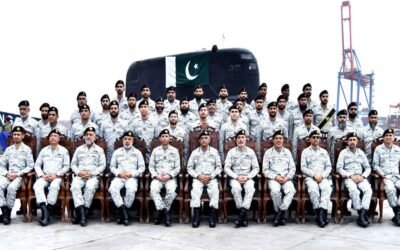
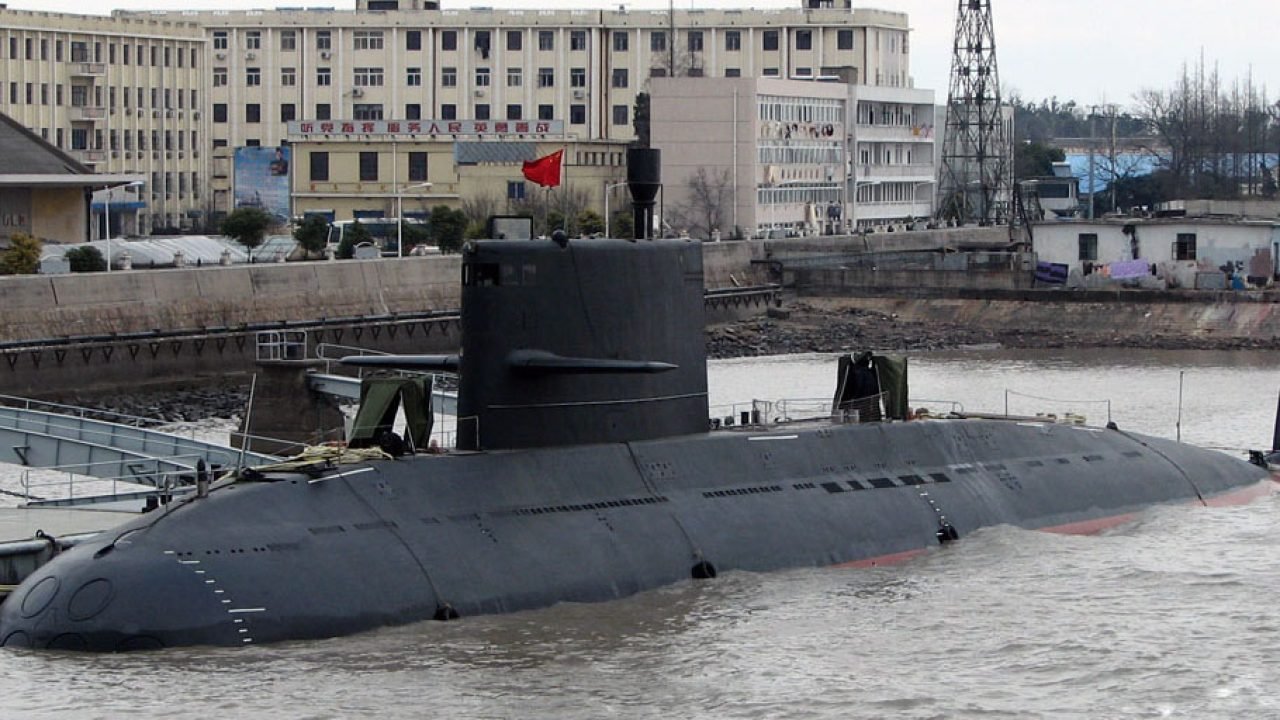
Pakistan is gearing up to deploy its first Chinese-built submarine in 2026, a key step in a $5 billion defense deal that will see eight Hangor-class submarines delivered by 2028, according to Admiral Naveed Ashraf in an interview with China’s Global Times. The agreement strengthens Pakistan’s naval presence in the North Arabian Sea and Indian Ocean, while deepening ties with Beijing to counterbalance India’s regional influence.
The deal includes four submarines constructed in China and four assembled in Pakistan, enhancing the country’s technical expertise. Three submarines have already been launched from a Hubei shipyard into the Yangtze River. Ashraf praised the reliability and advanced technology of Chinese equipment, noting its alignment with the Pakistan Navy’s needs. He highlighted plans to integrate cutting-edge technologies like AI, unmanned systems, and electronic warfare, with potential collaboration with China.
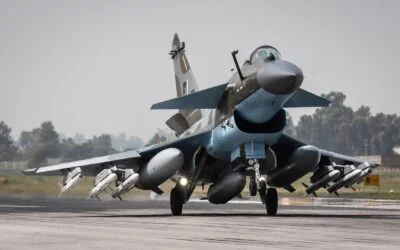
This follows Pakistan’s air force downing an Indian Rafale jet with Chinese J-10 fighters in May, sparking debate about the edge of Chinese military hardware. Pakistan, Beijing’s largest arms buyer, accounted for over 60% of China’s weapons exports from 2020 to 2024, per the Stockholm International Peace Research Institute.
The partnership aligns with China’s broader strategy, including the China-Pakistan Economic Corridor, a 3,000-km infrastructure project linking Xinjiang to Pakistan’s Gwadar port. This corridor secures China’s energy routes from the Middle East, bypassing vulnerable chokepoints like the Straits of Malacca, while extending Beijing’s influence across South and Central Asia.
“This cooperation… reflects a shared strategic outlook,” Ashraf said, emphasizing future collaboration in shipbuilding, training, and technology sharing.
Check out our latest video: