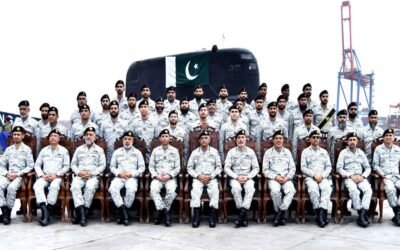
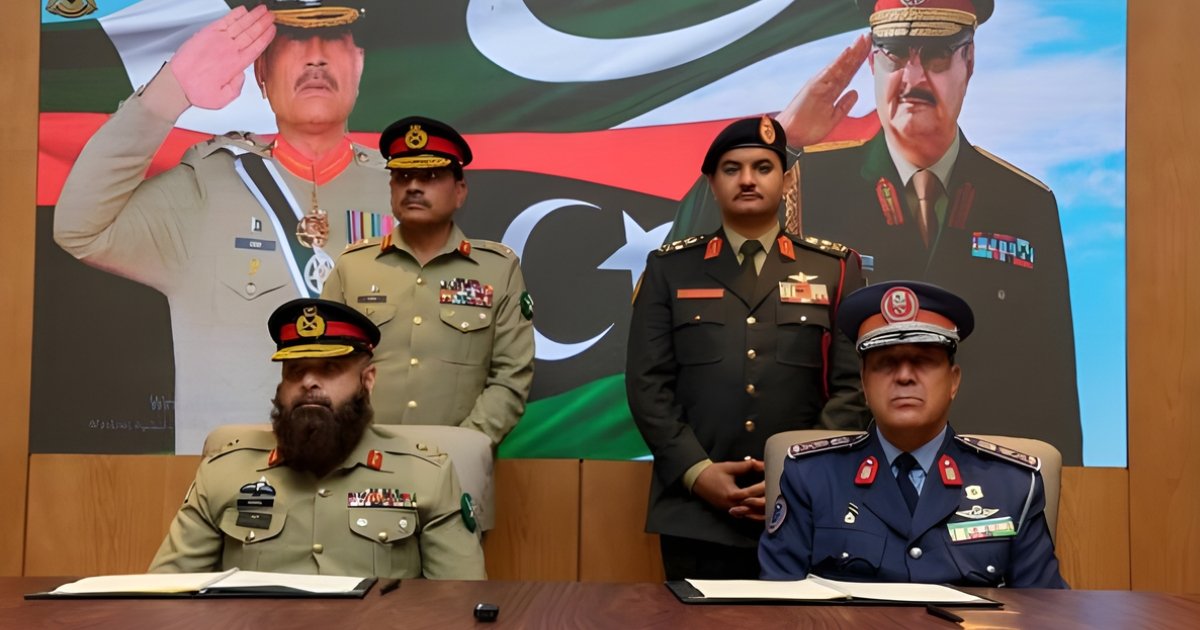
In a move that reshapes the geopolitical landscape of North Africa and South Asia, Pakistan and Libya have formalised a landmark US$4.6 billion (approx. RM21.62 billion) defence cooperation agreement. The pact was consolidated during a historic visit by Field Marshal Syed Asim Munir, NI (M), HJ, Chief of Army Staff (COAS) & Chief of Defence Forces (CDF), to Benghazi—the first-ever visit by a Pakistani military chief to the nation.
Field Marshal Asim Munir visits eastern Libya as Islamabad reportedly seals a $4B weapons deal with Libyan forces. pic.twitter.com/7XhrD38O0l
— Mansoor Ahmed Qureshi (@MansurQr) December 22, 2025
A New Era of South-South Cooperation
The agreement, signed at the headquarters of the Libyan National Army (LNA) following high-level talks with Field Marshal Khalifa Belqasim Haftar, represents one of the largest single export packages in Pakistan’s history. The deal aligns Libya’s urgent military modernisation needs with Pakistan’s emerging role as a premier, non-Western defense industrial hub.
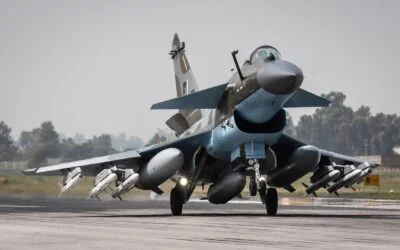
Central to the $4.6 billion package is the acquisition of 16 JF-17 Thunder Block III multirole fighter jets, providing the LNA with advanced AESA radar capabilities and precision-strike technology. The deal also encompasses “Haider” Main Battle Tanks, tactical UAVs, and a comprehensive framework for institutionalised training and doctrine transfer.
The Field Marshal’s Vision: “Might is Right”
In a stirring address to the Libyan leadership, Field Marshal Munir contextualized this partnership within a broader struggle for the survival of the Muslim world. He noted that the “machinations and conspiracies” of the last two decades have targeted the stability of magnificent Muslim nations.
“Today we look at the world, we find especially the Muslim world in great difficulty… In the modern world, there is no ‘rule of law,’ but rather the ‘law of the jungle,’ where ‘might is right.’ We must gather as much power as possible to strike terror in the hearts of those who are the enemies of Allah and our enemies.”
Technological Sovereignty and the “Hull of the Ship”
Reflecting on Pakistan’s own defense evolution, the Field Marshal highlighted that 90% of Pakistan’s military capability is now indigenous. He offered this battle-tested technology to Libya as a means of ensuring “operational sovereignty” free from the political conditionalities of traditional global powers.
“Every piece of equipment and technology which is there with Pakistan is available for our brothers… at your doorstep. Make your armed forces as strong as possible because armed forces guarantee the existence of countries.”
Invoking a powerful maritime metaphor, the Field Marshal stated:
“One might look at a nation’s armed forces as the hull of a ship; no matter how precious the cargo or how skilled the merchants on board, without a reinforced and sturdy hull, the ship cannot survive the predatory storms of the open sea.”
Strategic Realignment
Analysts view the Benghazi agreement as a pragmatic shift toward “turnkey” capability packages. For Libya, it signals a move away from reliance on ad hoc foreign support toward a professionalized force structure. For Pakistan, it reinforces a deliberate strategy to translate operational experience and manufacturing capacity into enduring global influence.
Beyond military hardware, the Field Marshal proposed a revival of the 1960s-era “Golden Age” of cooperation, extending into mines, minerals, construction, and joint economic ventures.
Check out our latest video: