The Pakistan Air Force (PAF) today proudly marks a historic milestone in national defense, commemorating the anniversary of a textbook interception that underscored the force’s absolute operational readiness and territorial vigilance prior to the formal outbreak of the 1965 war.
On June 24, 1965, amid rising regional tensions along the international border, an Indian Air Force (IAF) Dassault Ouragan fighter-bomber violated Pakistani airspace on an unauthorized armed reconnaissance mission near the southern town of Badin, Sindh. The critical aerial encounter remains a prominent masterclass in tactical interception and strategic restraint within the annals of the PAF.
Today in History
On this day, 24 June 1965, Pakistan Air Force demonstrated its unmatched vigilance and operational readiness when PAF fighters scrambled to challenge an intruding Indian Air Force aircraft near the town of Badin in Sindh.
The intruder, a Dassault Ouragan (Tail… pic.twitter.com/ahAWwKNx4I
— DGPR (AIR FORCE) (@DGPR_PAF) June 23, 2026
Tactical Dominance: F-104 Starfighter Enforces Airspace Sovereignty
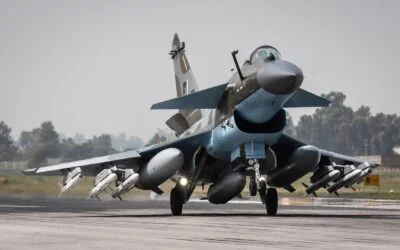
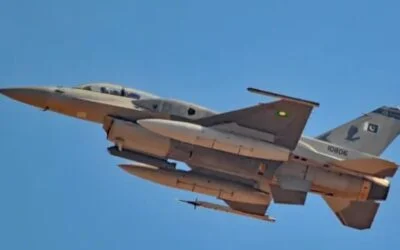
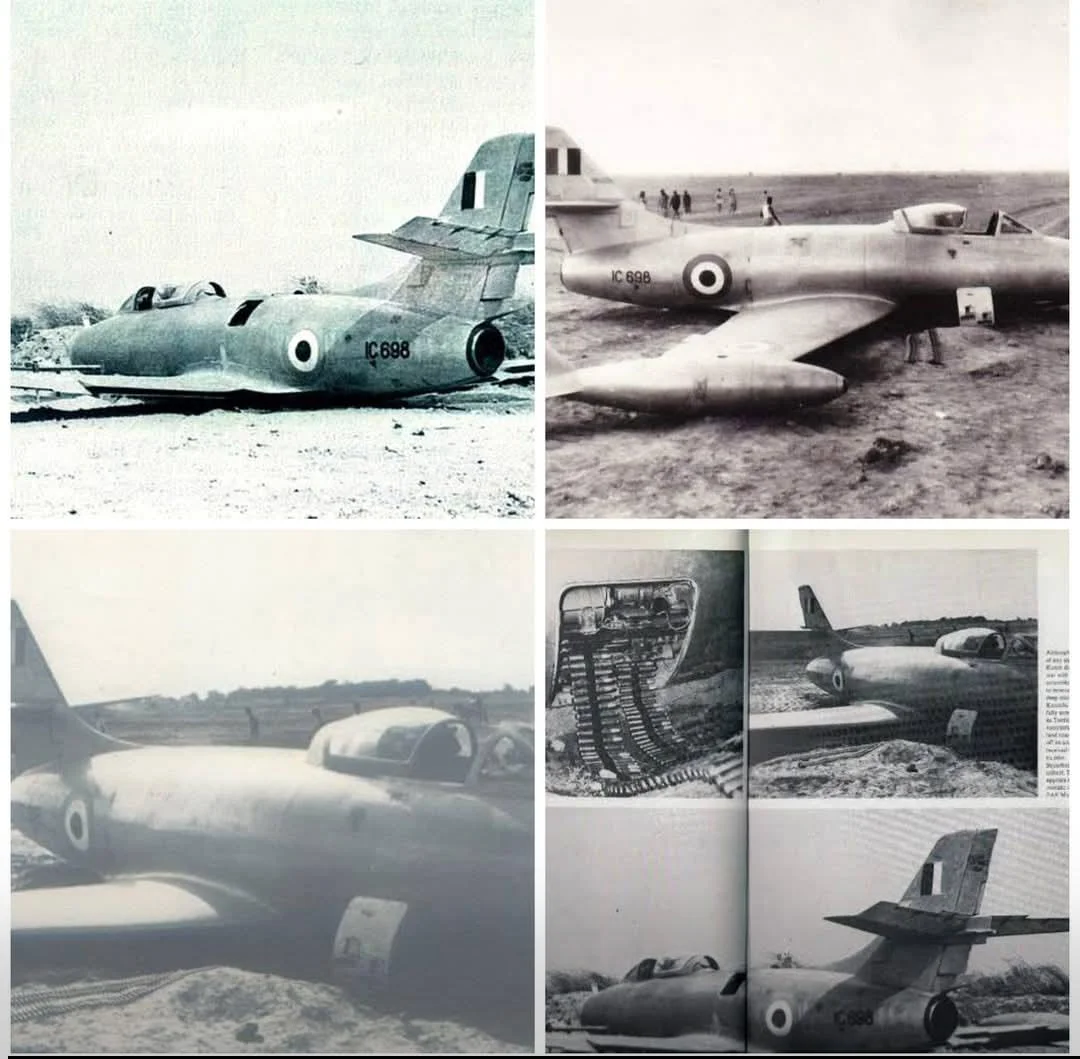
The intruder, bearing IAF Tail Number IC 698, was operating out of the Jamnagar Air Station and flown by Flight Lieutenant Rana Lal Chand Sikka of the No. 51 Auxiliary Squadron. Upon detecting the radar anomaly violating the sacred aerial boundaries of the state, the PAF immediately scrambled an F-104 Starfighter to challenge the threat.
Leveraging superior speed, altitude advantages, and tactical positioning, the PAF pilot outmaneuvered the intruding aircraft. Confronted by the lethal threat of the Starfighter’s weapons systems, the IAF pilot was forced into an unconditional surrender. Under direct air-to-air escort, Flight Lieutenant Sikka was compelled to lower his landing gear and bring his Ouragan down in an open field near Jangshahi village.
The intruding pilot was promptly apprehended by Pakistani law enforcement and military authorities on the ground. Throughout his detention, he was treated in strict accordance with international legal conventions governing Prisoners of War (PoW).
Strategic Restraint and Institutional Consequences
The aftermath of the encounter highlighted Pakistan’s diplomatic preference for regional stability over unchecked escalation. In a notable gesture of goodwill and high-level statesmanship, the Government of Pakistan released Flight Lieutenant Sikka on August 14, 1965—Pakistan’s Independence Day—returning him to India despite the ongoing adversarial provocations in the Rann of Kutch and adjacent sectors.
While Pakistan chose the path of diplomatic magnanimity, the incident triggered severe institutional waves across the border. The surrender of an intact combat aircraft without firing a shot caused deep embarrassment within the Indian defense establishment. Following an internal inquiry into the operational lapse and breach of military protocol, Flight Lieutenant Sikka was formally dismissed from the Indian Air Force in 1969.
Critical Analysis: Air Intel, Tech Advantages, and the Psychological Edge
The Badin interception of June 1965 holds a vital position in military history because it occurred during the tense, transitional “cold war” phase just months before the full-scale conflict of September 1965. The event was not a random border skirmish; rather, it served as a decisive test of both nations’ early-warning networks and air defense doctrines.
The seamless detection and rapid vectoring of the F-104 Starfighter demonstrated the high operational readiness of Pakistan’s radar installations in the southern theater, exposing a critical vulnerability in the IAF’s low-level tactical reconnaissance routing out of Jamnagar.
From a technological standpoint, the encounter pitted two vastly different eras of aviation against one another:
-
The IAF Ouragan (Toofani): A first-generation, sub-sonic French fighter-bomber that was already technologically obsolete when tasked with penetrating well-defended airspace.
-
The PAF F-104 Starfighter: A Mach-2 capable, high-altitude interceptor that provided the PAF with a massive psychological and technical advantage.
The real significance of this encounter lay in its psychological impact. By forcing the IAF pilot to land his aircraft intact in a Pakistani field rather than shooting it down, the PAF achieved a total psychological victory without wasting ordnance. The preservation of the aircraft served as undeniable physical evidence of airspace violation, depriving New Delhi of diplomatic deniability.
Furthermore, the subsequent dismissal of Flight Lieutenant Sikka from the IAF in 1969 confirmed the lasting institutional damage the surrender caused to India’s military morale, while reinforcing the PAF’s reputation for precision, discipline, and absolute aerial superiority.
Conclusion
Sixty-one years later, the interception near Badin remains a shining testament to the legacy of the Pakistan Air Force. It highlights an era where technological superiority was perfectly paired with exceptional airmanship. By honoring this historic feat, the PAF reinforces its enduring promise to the nation: to remain perpetually vigilant, operationally unmatched, and fully prepared to neutralize any threat to Pakistan’s sovereign skies.