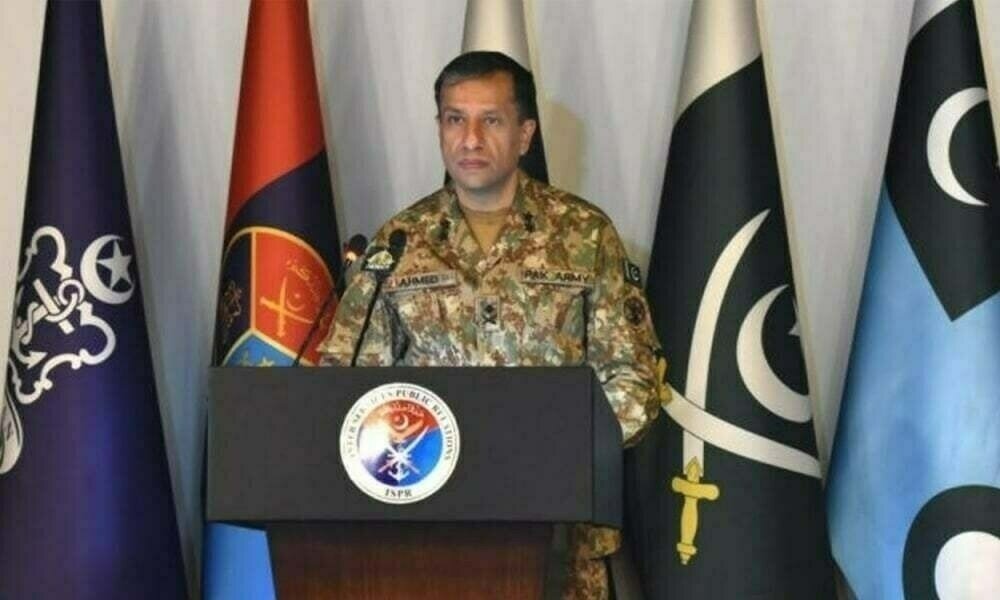
Director-General (DG) Inter-Services Public Relations (ISPR) Lieutenant General Ahmed Sharif Chaudhry has confirmed the exceptional performance of Chinese-built weapons systems utilized by Pakistan’s armed forces during the four-day military engagement with India in May this year.
Speaking in an interview from Islamabad, Lieutenant General Chaudhry lauded the Chinese platforms’ efficacy, stating, “Of course lately, recent Chinese platforms, they’ve demonstrated exceptionally well.”
Operational Success and Verified Facts
The May 2025 conflict, which saw both sides exchanging artillery, drone, missile, air, and small-arms fire along their border, was the worst between the nuclear-armed enemies in about 50 years. The conflict was triggered after India attacked inside Pakistan days after blaming it of orchestrating the April 22 Pahalgam attack.
The military spokesman provided clarity on Pakistan’s operational achievements, stating that Pakistani forces did not suffer any loss of plane. He further stated that Pakistan has lately increased the number of Indian aircraft shot down to seven.
“Pakistan has never tried to play with figures and facts,” the DG ISPR asserted, providing a counter-narrative to unsubstantiated claims from the Indian side regarding the conflict’s outcome.
You May Like To Read: DG ISPR Visits Kinnaird College for Women University
Chinese Platforms Showcase Capability
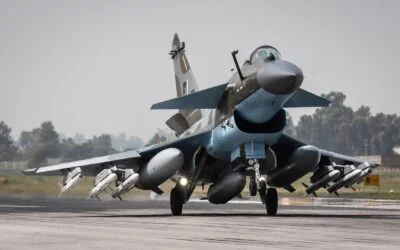
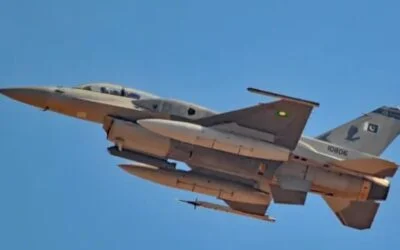
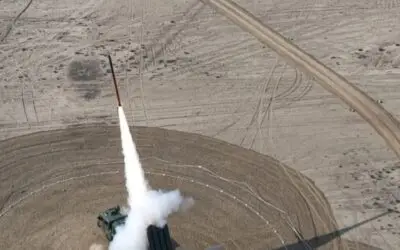
The engagement marked a significant test and the biggest battlefield deployment of Chinese weapons in fresh history. Pakistan deployed a significant number of Chinese-built arms systems, especially J-10C fighters, which successfully downed several Indian fighter jets, including French-made Rafales. Furthermore, the conflict included the first-ever live-documented use of the J-10C and the PL-15 air-to-air missile. Reports also confirmed Pakistan’s use of Chinese satellite and radar systems, which played a crucial role in operational coordination.
This display of capability has been closely observed throughout the region, particularly by China’s adversaries, as Beijing makes significant investments in cutting-edge defence technology.
You May Like To Read: Lieutenant General Muhammad Asim Malik to Continue as DG ISI and NSA
Defence Procurement Strategy
Lieutenant General Chaudhry clarified that Pakistan’s defense procurement policy is driven by strategic effectiveness and economic prudence, not an arms race.
“We are open to all sorts of technology,” Chaudhry said, adding that Pakistan is not restricted to any single country of origin. “Our development strategy has always been to induct the most effective, efficient as well as economic platforms and technology.”
He stressed that Islamabad “is not in a military catch-up or an arms race” with its neighbor, underscoring Pakistan’s fiscal discipline by noting the military budget is “a fraction” the size of India’s. “We don’t have the luxury of unlimited money at our disposal,” he maintained.
The commitment to modernizing the force continues, as evidenced by the Pakistan Army’s recent August induction of Z-10ME attack helicopters, which are capable of precision strike operations day and night and equipped with advanced radar systems and cutting-edge electronic warfare suites.