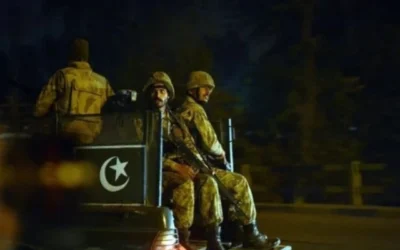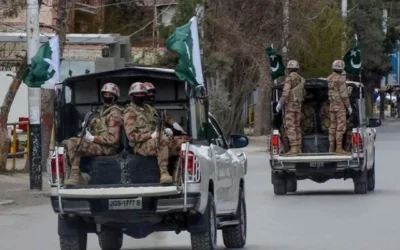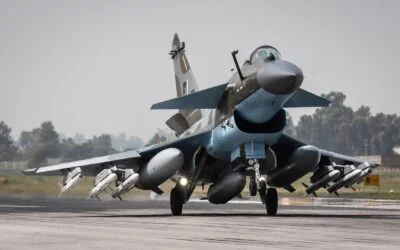
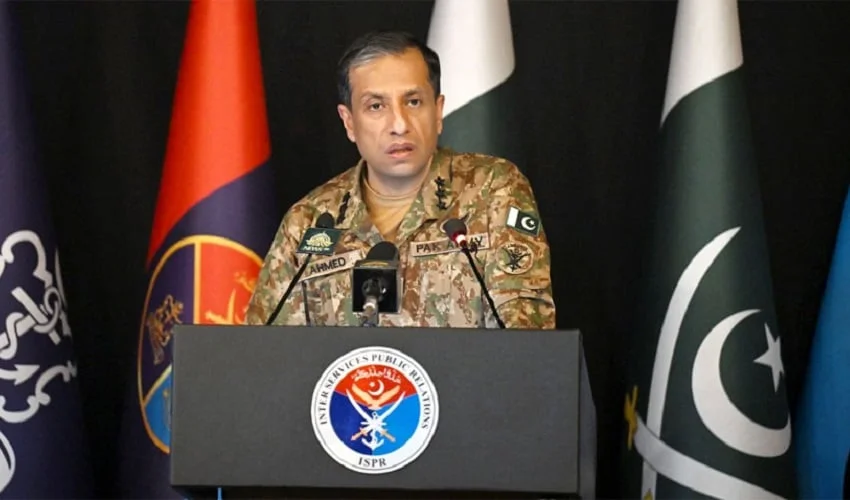
On Tuesday, DG ISPR Lieutenant General Ahmed Sharif Chaudhry delivered a high-stakes briefing, characterizing 2025 as a “landmark and consequential year” for Pakistan’s security. The briefing provided a deep dive into the evolving nature of the terror threat, the involvement of foreign actors, and the statistical success of military operations.
⭕️P-AM Exclusive News:
On 6th January 2026, DG ISPR in a press conference laid out the stark reality of terrorism in Pakistan. Out of 5,397 reported incidents, nearly 71% occurred in KPK, with all attacks carried out by operatives based in Afghanistan.
TTP & Afghan… pic.twitter.com/APwGirsXjY
— Pak-Afghan Matters (@pakafghanmatter) January 6, 2026
Clarity, and Categorization
The DG ISPR emphasized that 2025 brought “complete clarity” to both the state and the public regarding the ideological nature of terrorists. The military has officially adopted two specific terms to define the threat:
- Fitna-al-Khawarij: Refers to the banned Tehreek-i-Taliban Pakistan (TTP), stripping them of any Islamic or religious legitimacy.
- Fitna-al-Hindustan: Refers to Balochistan-based terror groups, highlighting their alleged nexus with Indian sponsorship and patronage.
A Year of Intense Kinetic Action
The scale of operations in 2025 was unprecedented. The military spokesperson shared the following audited figures:
- Total Operations: 75,175 Intelligence-Based Operations (IBOs) were conducted (average of 206 per day).
- Regional Breakdown: 14,658 in KP; 58,778 in Balochistan; 1,739 in other regions.
- Casualties & Losses:
- 2,597 terrorists killed (1,800 in KP; 784 in Balochistan).
- 1,235 martyrs (combined law enforcement personnel and civilians).
- 27 suicide bombings (16 in KP, 10 in Balochistan, 1 in Islamabad).
- Improved Kill Ratio: The DG noted that while the ratio of terrorists killed to martyrs was 1:3 in 2021, it improved to 2:1 in 2025.
The Afghanistan-India Nexus
A significant portion of the briefing was dedicated to the regional “War Economy.”
- The Mother Organization: The DG ISPR labeled the Afghan Taliban as the “mother organization” providing refuge, training, and equipment to the TTP.
- Indian Patronage: He alleged that India remains the primary financial sponsor, using the Afghan Taliban as proxies to destabilize Pakistan.
- Leftover Equipment: Terrorists are reportedly using $7.2 billion worth of modern US equipment (night-vision, sniper rifles, body armor) left behind after the 2021 withdrawal.
- Foreign Terrorist Movement: Approximately 2,500 non-Afghan, non-Pakistani terrorists have recently moved from Syria into Afghanistan.
Border Strikes, and External Relations
- October 2025 Strikes: Pakistan carried out targeted strikes against TTP positions inside Afghanistan in October. The DG clarified these were not against the Afghan Taliban, but the latter’s retaliatory attacks on Pakistani posts led to the “obliteration” of dozens of Afghan posts.
- Border Closure: The subsequent closure of the Pak-Afghan border has led to a significant decline in terror facilitation.
The KP vs. Balochistan Paradigm
The military drew a sharp contrast between the counter-terrorism efforts of the two most affected provinces:
- Balochistan Success: Credited the provincial government for implementing “NAP Balochistan,” including the conversion of “B” areas to “A” areas (extending police mandate) and establishing district-level coordination committees.
- KP Criticism: The DG ISPR criticized the KP government for a “politicized environment” and a “policy of appeasement” toward Kabul. He highlighted that while other provinces had cleared almost all refugee camps, KP had only cleared 5 out of 43.
The Three Pillars of Counter-Terrorism
The military’s strategy now rests on:
- Border Engagements: Securing the Pak-Afghan frontier.
- Small Team Offensives: Kinetic actions against militant hideouts.
- Technical Surveillance: Use of drones and surveillance tech (denying claims of “collateral damage” drones, noting that terrorists are the ones using armed quadcopters provided by India).
Conclusion
General Chaudhry concluded by reiterating that there is no space for “good terrorists” and that the state will no longer engage in talks with those who take up arms against it. He signaled that while the military handles kinetic action, the ultimate success of the National Action Plan (NAP) and Azm-i-Istehkam depends on political will, judicial convictions, and the repatriation of illegal foreigners.