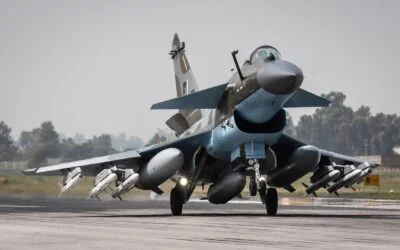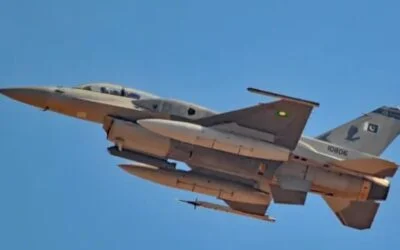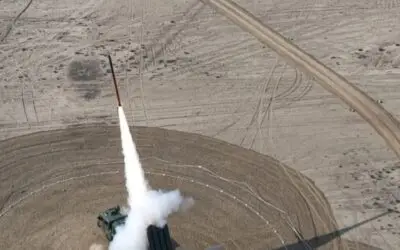
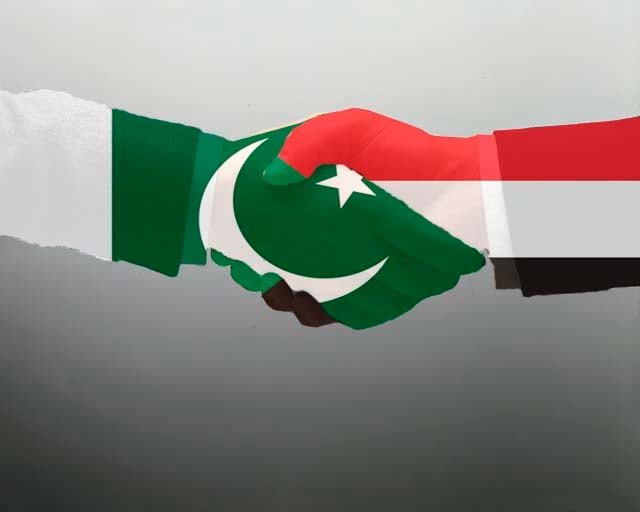
Pakistan is on the verge of finalizing a $1.5 billion defense cooperation agreement with Sudan, underscoring growing defense-industrial outreach within the country. The package, according to credible reports, includes 10 Chinese-designed K-8 Karakoram jet trainers, 200+ unmanned drones, advanced air defense systems, Super Mushshak trainers, and even JF-17 Thunder fighter jets. This mix reflects Pakistan’s intent to export “full-spectrum” capabilities, ranging from light attack and training aircraft to combat jets and missile systems. These high-tech systemic packages mark Pakistan’s transition from a net arms importer to a significant defense supplier.
#Sudan | A former senior air force official and three sources said that Pakistan is in the final stages of concluding a $1.5 billion deal to supply Sudan with weapons and aircraft.
This would constitute significant support for the Sudanese army, which is fighting the #RSF in… pic.twitter.com/ojVx5fUlFs— Sudan News 🇸🇩 (@Sudan_tweet) January 9, 2026
Economic and Strategic Impact: Boosting Exports and Industrial Growth
From an economic standpoint, this deal, and others like it, are enormously significant. The estimated value of Pakistan’s defense export pipeline is $13 billion, including recent large contracts. Analysts report these exports could strengthen foreign exchange reserves by up to 82%, helping achieve national export targets (the Uraan strategy) and macroeconomic stability. In concrete terms, one report calculates that a surge in arms exports will provide jobs and investment in Pakistan’s industrial base: “new orders would catalyze investment in supporting industries and technology,” creating skilled employment. By turning the capabilities of Pakistan’s factories into foreign revenue, the government is following a long-term “export-driven economy” strategy. These deals are part of a broad campaign to “transform into an export-oriented economy” through its defense sector.
This wave of deals, however, also expands Pakistan’s political and strategic partnerships, particularly with countries in the Global South. Africa is now viewed as an emerging market: just ahead of finalizing the Sudan deal, Islamabad finalized a $4.6 billion weapons deal with Libya’s National Army, making Libya its largest-ever customer. Observers point to deals such as these, plus a slew of negotiations underway in Nigeria, Bangladesh, Indonesia, and elsewhere, cementing Pakistan’s footprint in markets traditionally dominated by Western suppliers. For example, Nigerian officials are reportedly in talks to purchase JF-17 fighters and Mushshak trainers from Pakistan; analysts note that ‘Nigeria already operates the Super Mushshak and this places the country in a favorable position’ for deeper cooperation. Such interest is driven by Pakistan’s competitive pricing, flexible financing, and willingness to customize packages to partners’ desires. In short, Islamabad is positioning itself as a deliberate, trustworthy defense and security partner for fellow developing nations, in line with the South-South cooperation model.
Strategically, this trend is changing regional dynamics. Pakistan has been and remains a training ground and interim supporter for Muslim allies; now its own hardware is being deployed abroad. Pakistan’s leadership has explicitly defined this pivot as an attempt to increase its strategic autonomy. Pakistan “has transitioned from a net consumer of defense hardware to a high-tech exporter,” and uses arms sales to enhance sovereignty and stimulate income for other sectors. In terms of diplomacy, strengthening relationships with countries such as Sudan (with a large community of Pakistani expatriates and a history of military associations) further provides a strategic counterweight in international forums. Moreover, the inclusion of advanced Chinese-built air defense in the deal shows the role Islamabad is playing as an intermediary for allied technology: it can bring the latest systems to regions where Western powers rarely sell.
These agreements also align with Pakistan’s foreign policy objectives. The government regularly stresses an “export-led” industrial strategy, and this also applies to pushing its defense companies to expand overseas. For example, Pakistan and Saudi Arabia are reportedly negotiating a transformation of past loans into a direct jet sale (a JF-17 contract), and a formal Saudi-Pakistan mutual defense pact (SMDA) entered into force in late 2025. These deals are win-win: the partner (Sudan) is modernizing its forces cheaply, while Pakistan is strengthening military cooperation with an important African country.
Conclusion
The $1.5 billion deal with Sudan is another example of Pakistan’s emerging role as a global arms exporter. By marketing its JF-17 Thunder and associated systems throughout Asia and Africa, Pakistan is expanding its export portfolio and furthering strategic ties with “Southern” partners. As one defense journal put it, Islamabad now “crafts a comprehensive export formula around affordability, rapid delivery and operational relevance,” especially for those countries that Western suppliers will not arm. This approach seems to be paying off: Pakistan’s defense industry has landed contracts once beyond imagination a decade ago, and officials cite these as essential keys to economic growth and international influence. If implemented responsibly, the Sudan pact will strengthen Pakistan’s image as a dependable partner in Africa, support its national economic goals, and enter into larger regional security equations for years to come.