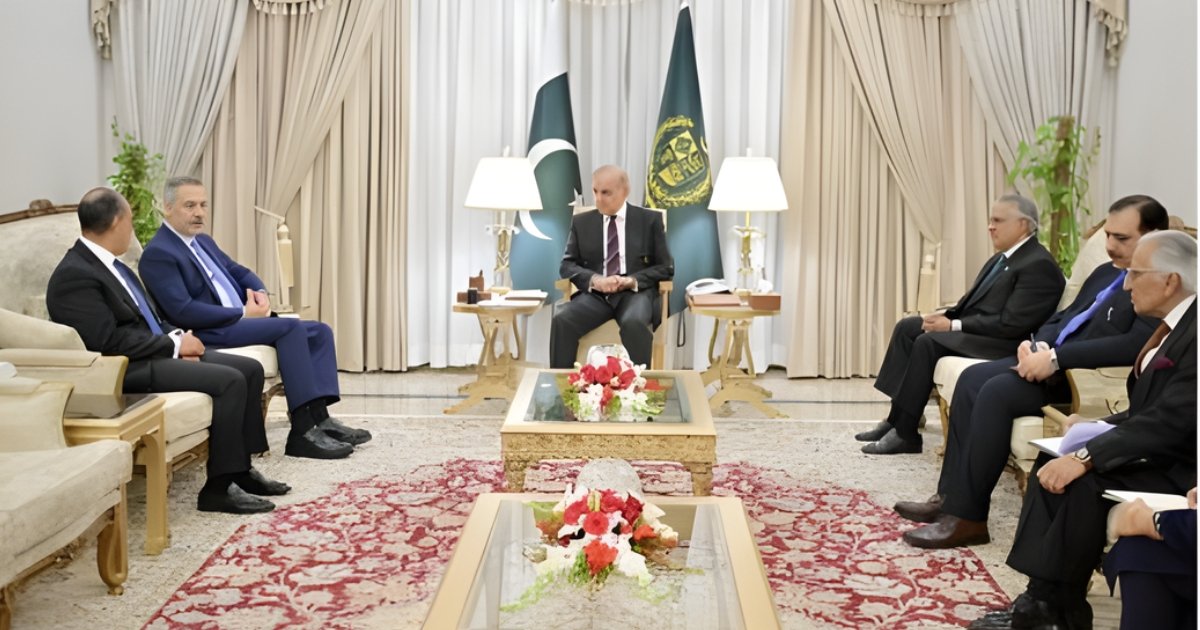
In a move underscoring the deep military-intelligence integration of the new regional bloc, Prime Minister Muhammad Shehbaz Sharif held high-level consultations with Turkish Foreign Minister Hakan Fidan and Egyptian Foreign Minister Dr. Badr Abdelatty on Monday.
In a significant departure from standard diplomatic protocol, the Prime Minister was accompanied by Lieutenant General Muhammad Asim Malik, who serves as both Pakistan’s National Security Advisor (NSA) and Director General of the Inter-Services Intelligence (ISI). The presence of the country’s premier intelligence chief signals that the discussions moved beyond mere diplomacy into the realm of joint defense and regional security architecture.
Foreign Minister of #Türkiye H.E Hakan Fidan and Foreign Minister of #Egypt H.E Dr. Badr Abdelatty called on Prime Minister Muhammad Shehbaz Sharif in #Islamabad
Lieutenant General Muhammad Asim Malik, #Pakistan’s National Security Advisor (NSA) and Director General of… pic.twitter.com/LWv5RM9fIF
— Pakistan Armed Forces News 🇵🇰 (@PakistanFauj) March 30, 2026
A Nuclear-Intelligence Nexus
The inclusion of Lt Gen Asim Malik in the meeting highlights the “Hard Power” core of the Pakistan-Türkiye-Egypt-Saudi Arabia axis.
-
The Intelligence Bridge: As the head of the ISI and the NSA, Lt Gen Malik provides the strategic link between Pakistan’s nuclear deterrent and the ground realities of the Middle East conflict.
-
Counter-Proxy Coordination: Analysts suggest the meeting focused on synchronized intelligence-sharing to manage regional proxies and protect the Suez Canal-Hormuz trade corridor from further maritime “toll-taking” or sabotage.
-
The “Islamabad Option”: The DG ISI’s involvement confirms that the 15-point peace plan currently under review in Washington and Tehran is backed by Pakistan’s comprehensive security apparatus.
500 Million Strong: The New Geopolitical Reality
With the inclusion of Egypt (the gatekeeper of the Suez) and Türkiye (a NATO power with a sophisticated defense industry), the bloc now presents a unified front that reshapes the Middle East.
-
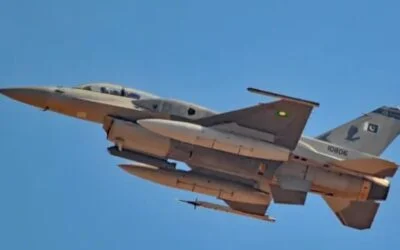
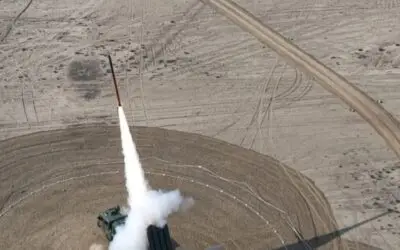
Turkish Defense Integration: Discussions with FM Hakan Fidan reportedly touched on the integration of Turkish drone technology with Pakistani missile platforms—a combination that creates a formidable conventional counter-weight to any regional aggressor.
-
Egyptian Maritime Security: With FM Badr Abdelatty, the focus shifted to securing the Red Sea. The Pakistan Navy’s expertise in anti-piracy and corridor protection is being viewed as a vital asset for maintaining Egypt’s Suez revenues during the current war.
The Shield and the Sword
This “Quadrilateral Pivot” places Pakistan’s Armed Forces at the strategic center:
-
The Shield: Pakistan’s nuclear triad provides the ultimate security guarantee for the bloc’s energy (Saudi) and logistical (Egypt) assets.
-
The Sword: The combined conventional forces of these four nations represent a massive, battle-hardened military machine that can effectively “bracket” the conflict zone, from the Mediterranean to the Arabian Sea.
Implications for the US-Israel-Iran War
The presence of the DG ISI/NSA at the PM House sends a clear message to the US and Israel:
-
The Broker: Pakistan is no longer just a “messenger” for the ceasefire plan; it is a guarantor.
-
The Red Line: Any expansion of the war—such as the rumored ground invasion of Kharg Island—would now have to account for the unified strategic response of a 500-million-person bloc led by a nuclear-armed state.
You May Like To Read: The Quadrilateral Pivot: Pakistan’s Nuclear Umbrella, and the New Middle East Architecture
Check out our latest video: