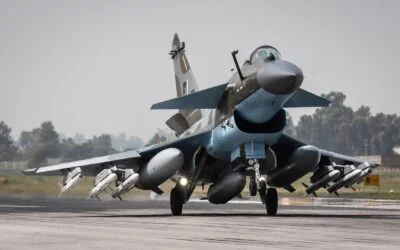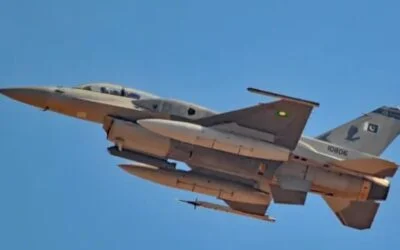
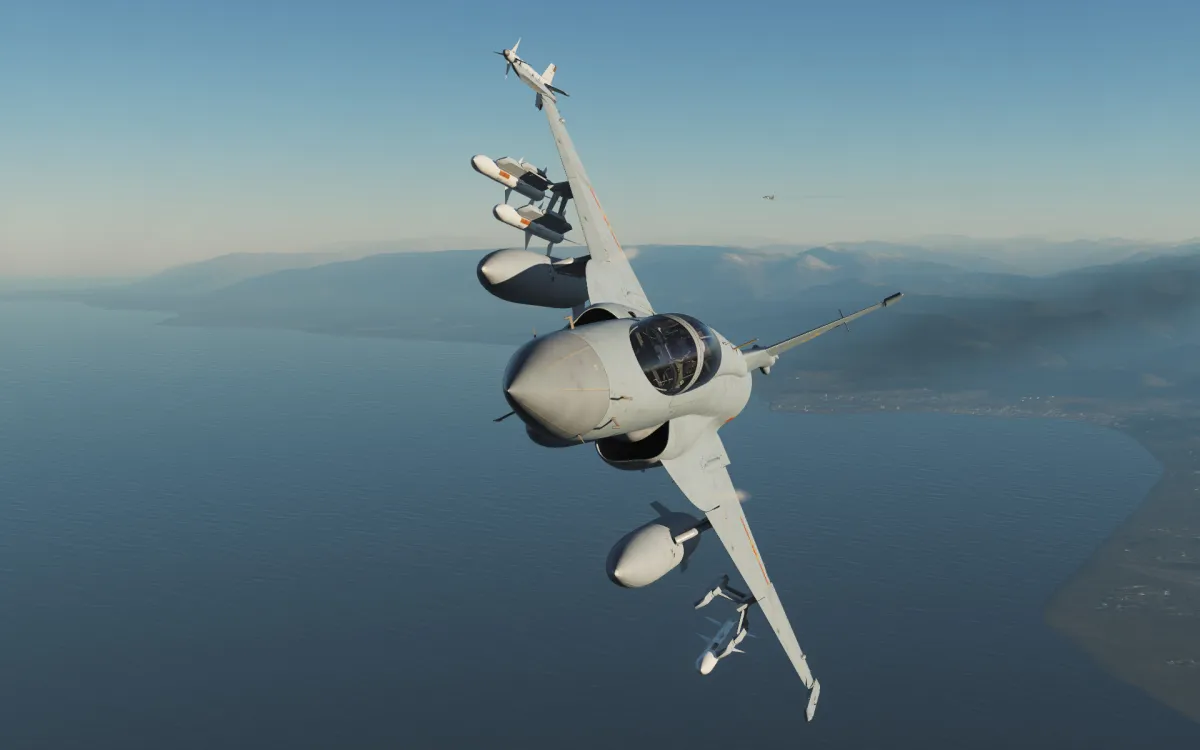
The reported $4 billion negotiations between Riyadh and Islamabad signal a significant shift in Saudi Arabia’s defense procurement strategy. While the Kingdom has traditionally relied on high-end Western platforms (such as the F-15 and Eurofighter Typhoon), several geopolitical and operational factors are driving their specific interest in the JF-17 Thunder.
Diversification and Strategic Autonomy
Riyadh is increasingly seeking to hedge against uncertainty regarding U.S. defense commitments and potential arms export restrictions.
- The “China-Pakistan” Factor: The JF-17, co-developed with China, offers a high-performance alternative free from the political “end-use” monitoring often attached to Western hardware.
- Mutual Defence Pact: Under the pact signed in late 2024, the JF-17 provides a common platform for joint operations between the PAF and RSAF, ensuring seamless interoperability during regional contingencies.
Operational Efficiency: The “High-Low” Mix
Military analysts suggest Saudi Arabia is looking to the JF-17 to create a “High-Low” capability mix:
- Cost-Effective Attrition: Using high-end F-15s for routine border patrols or low-intensity conflicts is economically unsustainable. The JF-17 offers a “combat-proven” and low-cost-per-flight-hour alternative for regional security tasks.
- Modern Avionics: The Block III variant features an Active Electronically Scanned Array (AESA) radar and advanced PL-15 missile integration, allowing it to hold its own against modern regional threats.
Economic Synergies (Loan Conversion)
The proposal to convert $2 billion of Saudi loans into defense credit is a unique financial maneuver that benefits both parties:
- For Saudi Arabia: It transitions “passive” deposits at Pakistan’s Central Bank into “active” military assets and regional influence.
- For Pakistan: It provides a path to debt relief while scaling up production lines at the Pakistan Aeronautical Complex (PAC).
Technology Transfer and “Vision 2030”
A core pillar of Saudi Arabia’s Vision 2030 is the localization of 50% of military spending.
- Joint Production: Sources indicate that the deal may include provisions for local maintenance, repair, and overhaul (MRO) facilities within the Kingdom, or even the assembly of components, supporting Saudi Arabia’s goal of building a domestic defense industry.
- Training Hub: Pakistan’s long-standing role in training Saudi pilots provides a ready-made ecosystem for the rapid induction of the JF-17 into the RSAF.
Conclusion
The JF-17 is no longer viewed by Riyadh as just a “budget” fighter, but as a strategic tool for regional self-reliance. By operationalizing the Mutual Defence Pact through this deal, Saudi Arabia secures a reliable supply chain and a versatile combat platform at a critical geopolitical juncture.