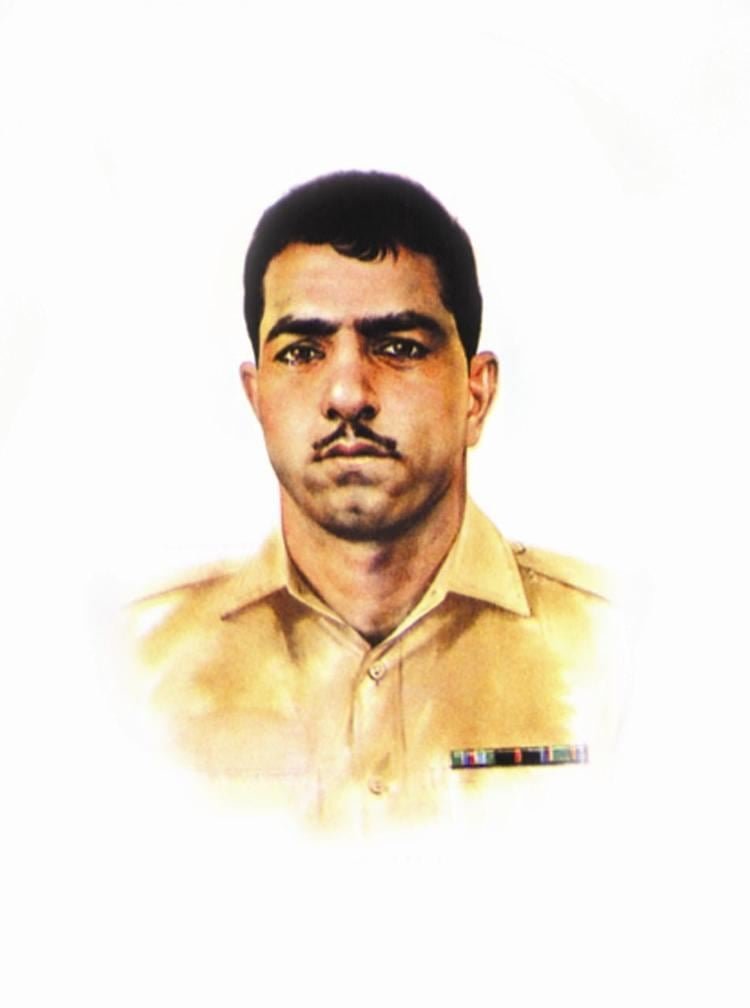
Lance Naik Muhammad Mahfuz’s story is one of raw, unyielding courage, demonstrating a soldier’s resolve to fight to the last breath, even when unarmed. Born on October 25, 1944, in the village of Pind Malikan (now renamed Mahfuzabad in his honor) in the Rawalpindi District, he came from a family of farmers. His rural upbringing instilled in him a deep sense of resilience and an unwavering commitment to his land and people. He joined the Pakistan Army in 1962 and was assigned to the 15th Punjab Regiment, where his dedication and discipline quickly earned him the respect of his superiors and peers.
During the Indo-Pakistani War of 1971, Lance Naik Mahfuz was deployed in the Wagah-Attari sector, a key front on the western border. His unit was tasked with capturing the strategic Pul Kanjri post, which was heavily fortified and defended by Indian forces. On the night of December 17, 1971, his company launched a fierce attack. As they advanced, they came under heavy fire from a well-concealed Indian machine-gun bunker that was inflicting heavy casualties and pinning down their assault. His own machine gun was destroyed by a shell, and he was wounded by shrapnel.
Despite his injuries and the loss of his weapon, Lance Naik Mahfuz refused to give up. He knew that the bunker was the key to their advance. With sheer determination and without a thought for his own safety, he began to crawl towards the bunker. When he was just a few feet away, an enemy soldier lobbed a grenade at him. With no time to react, he shielded himself from the blast with his body, taking the brunt of the explosion and sustaining further injuries.
Unarmed and gravely wounded, he finally reached the bunker. He jumped inside and, in a final act of ferocious defiance, grappled with the enemy soldier inside, engaging him in hand-to-hand combat. He was eventually overpowered and bayoneted to death by another soldier inside the bunker. His incredible and selfless attack, however, was not in vain. It created a crucial distraction and demoralized the enemy, allowing his company to regroup and successfully capture the post. After his martyrdom, the Indian Army, upon discovering the valor of their opponent, reportedly expressed their admiration, stating that had he been their soldier, he would have been awarded their highest gallantry award.
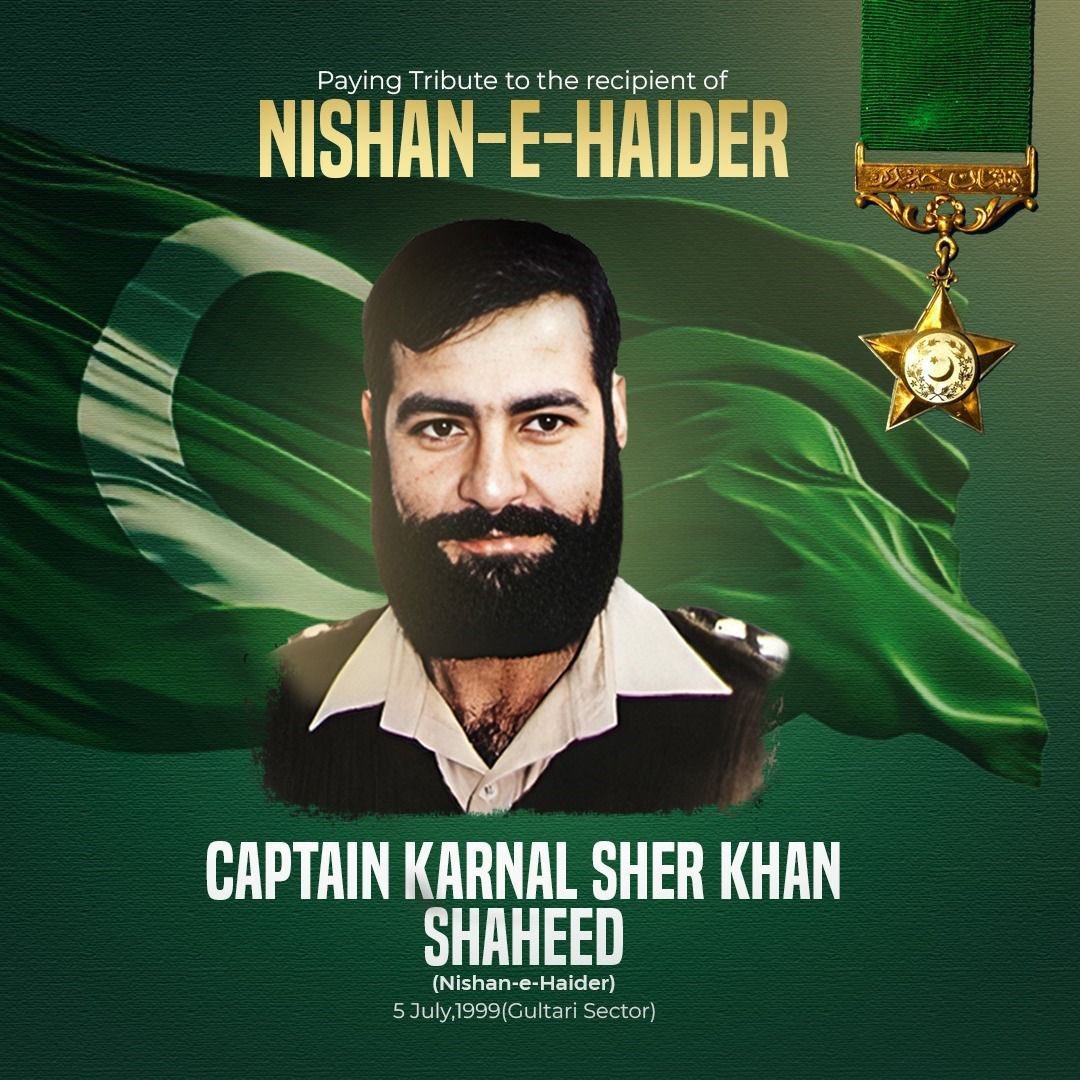
For his exemplary courage, determination, and supreme sacrifice, Lance Naik Muhammad Mahfuz was posthumously awarded the Nishan-e-Haider, the highest military honor in Pakistan. His final moments at Pul Kanjri are a powerful testament to the fact that a soldier’s valor is not measured by the weapons they hold, but by the strength of their will. His legacy continues to inspire generations, symbolizing the indomitable spirit of the Pakistan Armed Forces.