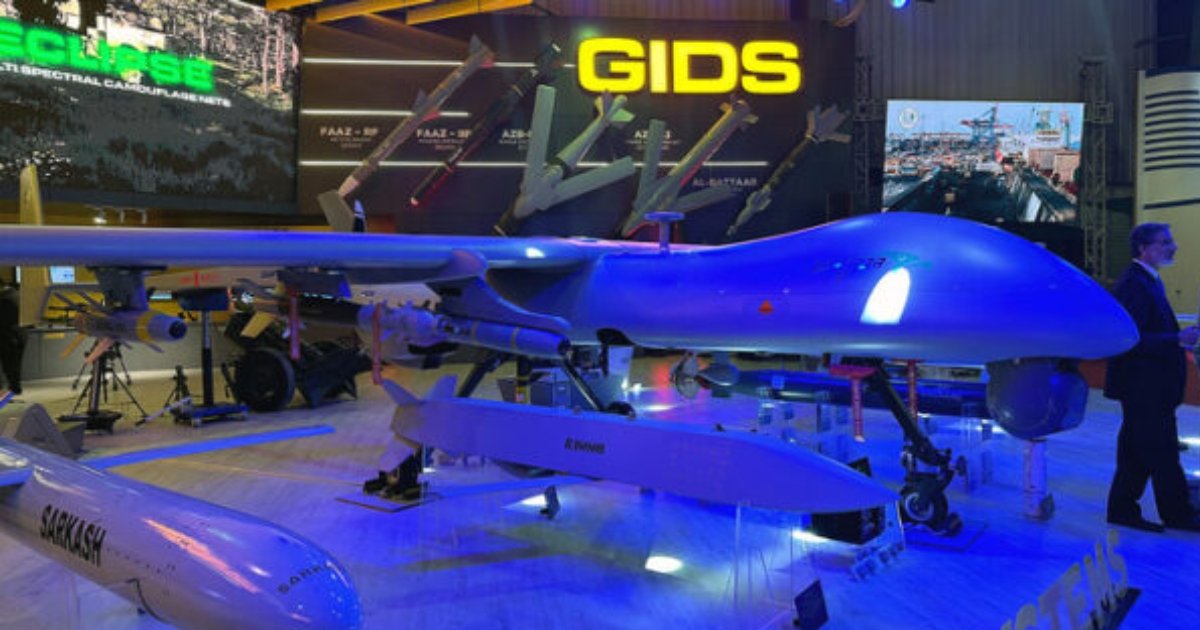
The Global Rise of Drone Warfare and Pakistan’s Capabilities
Unmanned aerial systems have now become a defining feature of modern warfare. Drones were previously used only for reconnaissance and intelligence missions. Today, they perform many roles such as surveillance, precision strikes, electronic warfare, and battlefield support. Their relatively low cost and long endurance make them attractive to militaries worldwide. Even commercial quadcopters are being modified today by both state and non-state actors. As a result, drones are found in nearly every modern conflict zone.
Pakistan has recognized the importance of this shift and has steadily developed its own drone capabilities. Over the past decade, the country has built an indigenous unmanned aerial platform and has also worked on strengthening its operational doctrine related to unmanned systems. Pakistani drones are currently used in intelligence gathering, counter-terrorism operations, and border surveillance. The Pakistan Air Force and Army also use drones to support ground forces with real-time intelligence and target tracking. Indigenous platforms like the Shahpar series and Burraq armed drone have played an important role in boosting the country’s unmanned capabilities. These systems have helped Pakistan reduce its reliance on foreign technology and increase its ability to carry out accurate operations against militant threats.
Pakistan’s Firm Response to Indian Drone Intrusions
The rising use of drones has also impacted the security landscape in South Asia. Reports of drone sightings and attempted incursions have increased over recent years along the LOC. These incidents raise serious concerns about the misuse of unmanned systems for espionage, smuggling, and destabilizing activities.
Under the visionary leadership of Field Marshal Asim Munir Pakistan’s Armed Forces have made decisive advances in unmanned and counter drone warfare transforming capabilities beyond surveillance and reinforcing Pakistan’s image as a modern credible military power pic.twitter.com/YA71mRSxDi
— Pakistan (@War_Updates_) December 14, 2025
Pakistan’s security forces responded by increasing surveillance and strengthening air defense systems in sensitive areas. A major move occurred in May 2025, when Pakistan successfully shot down several Indian drones attempting to violate Pakistani airspace. Pakistani radar systems detected the UAVs early, and counter-drone units neutralized them before they could accomplish their missions. The interception demonstrated the effectiveness of Pakistan’s air defense network and its commitment to defending national sovereignty.
Pakistan claims it downed 12 Indian drones overnight in what it calls a new “serious provocation” https://t.co/4q3I5z3in1
— CNN (@CNN) May 8, 2025
This incident was widely seen as a clear display of Pakistan’s growing technological competence in counter-drone operations. It also emphasized the importance of swift detection and response systems in modern warfare. Since then, Pakistan’s armed forces have improved coordination among surveillance units, electronic warfare teams, and air defense resources to better handle similar threats in the future. The country’s response to Indian drone intrusions reflects a broader strategy combining technological capabilities and operational readiness.
Threats from the Western Frontier
While the eastern border remains sensitive, Pakistan also faces increasing drone threats from the western frontier. Militant groups in the region have developed more rudimentary unmanned systems. They have attempted to use drones for surveillance and limited strikes on security targets.
In 2026, Pakistan security forces reported multiple attempted drone attacks in the districts of Khyber Pakhtunkhwa. Areas such as Abbottabad, Swabi, Rawalpindi, and Nowshera recorded drone sightings linked to militants operating from Afghan territory. These drones are relatively simple in design but still pose potential threats to security installations and civilians.
⚡ 🇵🇰 Airspace Alert | Islamabad–Rawalpindi
Senior Pakistani officials report that two UAVs (drones) loitering near Faizabad Interchange—the junction between Rawalpindi and Islamabad—were shot down by air defence systems.
Following the incident, authorities have temporarily… pic.twitter.com/oCzB2kBe35
— Nexus Intel (@Nexus_Intel360) March 13, 2026
President Zardari strongly condemned the drone attacks targeting Pakistani civilian areas, saying the Afghan Taliban crossed a red line. 🇵🇰 will not tolerate its civilians being targeted. Afghan soil must not be used for terrorism against neighbours. 🇵🇰 will defend its people.
— The President of Pakistan (@PresOfPakistan) March 14, 2026
Pakistan’s counter-drone systems responded quickly. Air defense units detected and intercepted the UAVs before they reached their targets. Successfully neutralizing these drones prevented major damage and demonstrated the readiness of Pakistan’s defense network. Officials attribute these incidents to militant factions with cross-border support and emphasize the importance of ongoing vigilance on the western border.
These developments signal an increasing trend in modern conflict. Cheap and accessible drone technology allows non-state actors to conduct surveillance and small-scale attacks with limited resources. Pakistan’s ability to intercept such drones shows that its defensive systems are adapting effectively to these emerging threats.
Indigenous Development and Future Readiness
Pakistan has responded to these evolving challenges by investing in counter-drone systems and developing its own indigenous drones. National defense agencies have worked on creating credible unmanned platforms capable of supporting various military operations. The Shahpar series represents a significant advancement in Pakistan’s drone industry, offering long-range surveillance and supporting precision operations when needed. Pakistan also deploys armed drones, such as the Burraq platform. The development and deployment of these systems have strengthened Pakistan’s response capabilities against security threats.
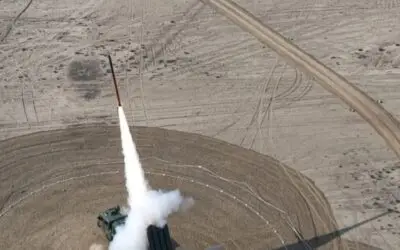
Additionally, Pakistan has enhanced its counter-drone defenses alongside offensive systems. These include radar systems that track low-flying UAVs, electronic jamming devices, and networked air defense systems such as RAAST. These technologies help security forces detect and intercept enemy drones before they can cause damage. The successful interception of drones in 2025 and 2026 demonstrates the strengthening of Pakistan’s defensive architecture.
Pakistan’s 🇵🇰 premier defence conglomerate Global Industrial & Defense Solutions (GIDS) unveiled RAAST, an indigenously designed and developed Drone Detection Radar (DDR), at PIMEC 2025.
RAAST is an all weather Ku band AESA Pulse Doppler radar built to detect and track small,… pic.twitter.com/Svj3VGUJcq
— Defence Insider (@defence_insider) February 24, 2026
In the future, drone warfare is likely to develop at a very fast pace. Drones, AI, and autonomous targeting systems will probably be used in future battlefields. The traditional air defenses could be overwhelmed by swarms of small drones that would attack in more than one direction simultaneously. Drones can also be used to analyze battlefield data and identify targets more quickly than human operators, enabled by artificial intelligence.
Pakistan recognizes these developments and is gradually adjusting its defense strategy. The continued investment in indigenous technology, enhanced surveillance systems, and enhanced counter-drone systems will also be necessary. The fact that Pakistan is enhancing its technological capacity and defensive preparedness is revealed through the successful interception of Indian drones in May 2025 and the neutralization of militant drones launched from the Afghan territory in 2026.
Conclusion
Drone warfare is transforming the international security landscape. Unmanned systems have become the focus of contemporary military strategy, whether it is large-scale interstate conflicts or counter-terror operations. Pakistan has reacted to the change by designing its own drone platforms, incorporating UAVs into military doctrine, and establishing robust counter-drone defenses. Such measures indicate that Pakistan has been determined to defend its sovereignty as well as continue to preserve stability in a security environment that is increasingly technological.
You May Like To Read: Integration of Intelligence, Drones, and Airpower in Pakistan’s Counter-Terrorism Operations
Check out our latest video: