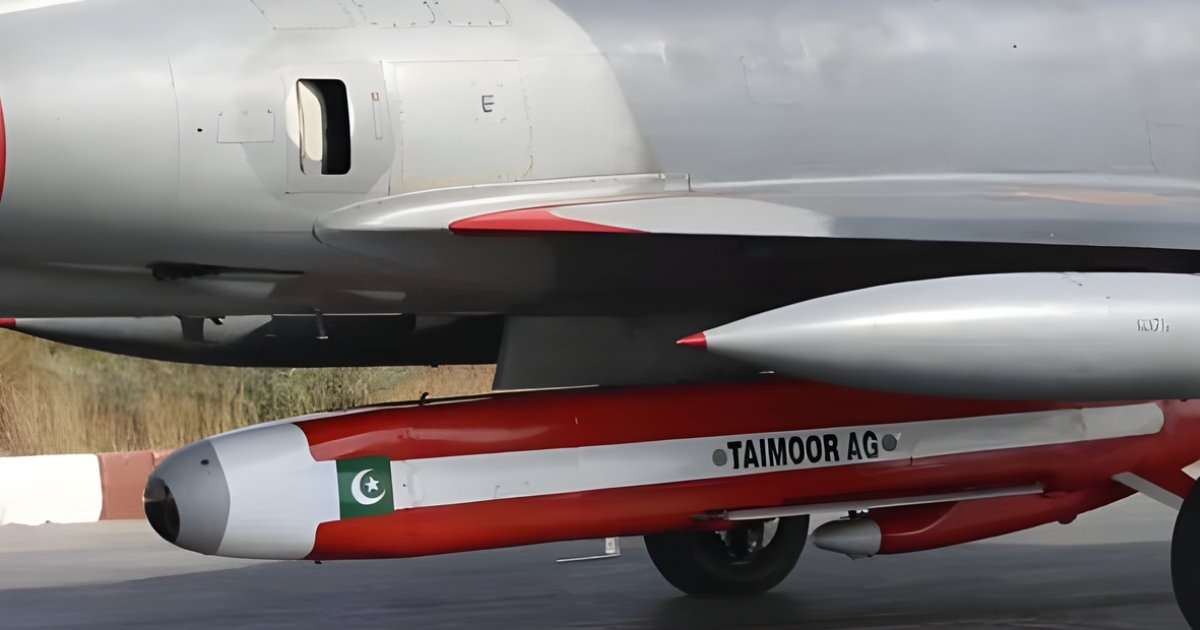
On January 3, 2026, the Pakistan Air Force (PAF) announced a successful flight test of an indigenous Taimoor air-launched cruise missile. This marks a significant milestone in the modernization of Pakistan’s aerospace and defense capabilities. The Taimoor Weapon System can strike land and sea targets up to 600 km away with a precision-guided conventional warhead. Leaders in Pakistan celebrated the test as evidence of self-reliance and the nation’s long-range missile capability. The new cruise missile provides the PAF with broader stand-off strike capability, strengthening its ability to deter aggression.
- 600 km Range & Accuracy: The conventional payload will allow Taimoor to attack high-value targets at a range of 600 kilometers. It has superior navigation and guidance systems that enable it to strike with high precision.
- Low-Altitude, Stealthy Flight: This plane is specifically designed to travel at extremely low altitudes, thus avoiding hostile air defenses. It is difficult to notice since terrain-hugging navigation is available, and low-observable features.
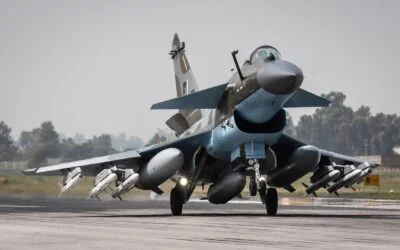
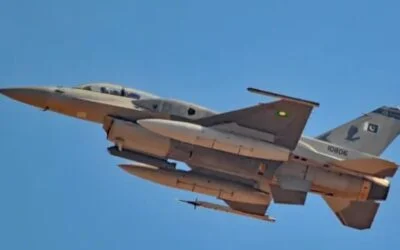
- Multimodal Deployment: The missile is to be integrated in PAF fighter aircraft to provide Pakistan with a flexible stand-off launch platform. Multiple jet fighters (Mirage III, JF-17, etc.) have the capacity to carry Taimoor, diversifying the capability of striking power and not relying on one platform.
- Improved Deterrence: According to officials, the precision-strike capability of Taimoor has contributed greatly to the conventional deterrence and operational flexibility of the Pakistan Air Force, which bolstered the overall Pakistan defense posture. This conventionally-armed cruise missile is a new dimension to the strategic deterrence of Pakistan, increasing the cost of any potential aggression without relying on nuclear capability at the very outset.
- Indigenous Achievement: The successful test highlights the aspect of technical maturity, innovation, and self-reliance of the Pakistani defense industry. According to Air Chief Marshal Sidhu, the achievement has been a tribute to the will of the nation to become technologically self-sufficient and have a credible conventional deterrence.
PAKISTAN AIR FORCE CONDUCTS SUCCESSFUL FLIGHT TEST OF TAIMOOR WEAPON SYSTEM
03 January, 2026: Pakistan Air Force has successfully conducted the flight test of the indigenously developed Taimoor Weapon System, marking another significant milestone in the advancement of national… pic.twitter.com/pRSQkXgOXb
— DGPR (AIR FORCE) (@DGPR_PAF) January 3, 2026
Taimoor is an effective stand-off weapon. The PAF can ensure that an adversary suffers strategic costs without breaching defended airspace by striking targets hundreds of kilometers away. Such long-range precision weapons are used to deter limited conventional threats as part of Pakistan’s defense concept. According to the DGPR (Air Force) statement, the missile’s accuracy will significantly increase deterrence and strengthen Pakistan’s defense posture. This is consistent with Pakistan’s doctrine of a strong conventional deterrent as part of its full-spectrum strategy. The National Command Authority has repeatedly declared a policy of full-spectrum deterrence, i.e., a combination of nuclear and high-tech conventional forces to prevent any aggression. Taimoor strongly complies with this policy, providing a survivable, conventionally armed option at the bottom of the escalation ladder.
PAKISTAN AIR FORCE CONDUCTS SUCCESSFUL FLIGHT TEST OF TAIMOOR WEAPON SYSTEM#Pakistan Air Force has successfully conducted the flight test of the indigenously developed Taimoor Weapon System, marking another significant milestone in the advancement of national aerospace and… pic.twitter.com/eTzEPCV1iy
— Eagle Eye (@zarrar_11PK) January 3, 2026
Strategic Implications
The Taimoor test has clear strategic implications. Pakistan is responding with its own long-range precision missiles in a region where its adversaries are developing layered air defenses and deep-penetration strike capabilities. The PAF has also increased its operational flexibility and resilience by equipping its fleet of jets with stand-off strike capabilities, which can be used even under heavy air defense pressure. Pakistan can counter limited conventional aggression by adding a conventionally armed cruise missile to its efforts to absorb, deter, or retaliate without compelling an early nuclear choice. It focuses on a plausible conventional response. This will stabilize the deterrence equilibrium: Islamabad can threaten to respond meaningfully with military retaliation without resorting to nuclear action.
You May Like To Read:
The military and civilian leaders of Pakistan emphasized the importance of the test. President Asif Ali Zardari has indicated that the local development of such a modern weapon is a clear demonstration of national capability, determination, and institutional experience. He observed that the success enhanced national defense and the responsible defense policy of Pakistan towards regional stability. Prime Minister Muhammad Shehbaz Sharif also congratulated the PAF, describing the Taimoor test as a milestone that would further enhance the country’s defense. These declarations underscore the Pakistani story: new conventional weapons such as Taimoor enhance national security and lead to stability by preventing threats without aggressive escalation.
The Taimoor test, therefore, represents the current modernization of defense and the strategic development of Pakistan. It is an extension of earlier achievements (such as Babur cruise missiles and guided glide bombs) and equips the PAF for future air warfare. Pakistan reduces its dependence on imports and builds a defensive industrial sector by producing the Taimoor locally (the Air Weapons Complex and GIDS). Its export version (limited to 290 km due to the limitations of the MTCR) is also being sold internationally, while the standard 600 km range version provides a new capability to Pakistan’s domestic forces.
Conclusion
Overall, the January test of the Taimoor missile is a step towards stronger stand-off deterrence by Pakistan. It highlights the growing missile range of the PAF and the autonomy of the defense industry. The accuracy, range, and stealth of Taimoor improve Pakistan’s capacity to deter aggression by threatening important targets at a distance. National leaders stress that these conventional strike systems enhance defense and foster peace through credible deterrence. The successful flight test is therefore not only a technical achievement but also a strategic indicator: Pakistan is determined to modernize its military forces, maintain a robust defense posture, and make the region stable.