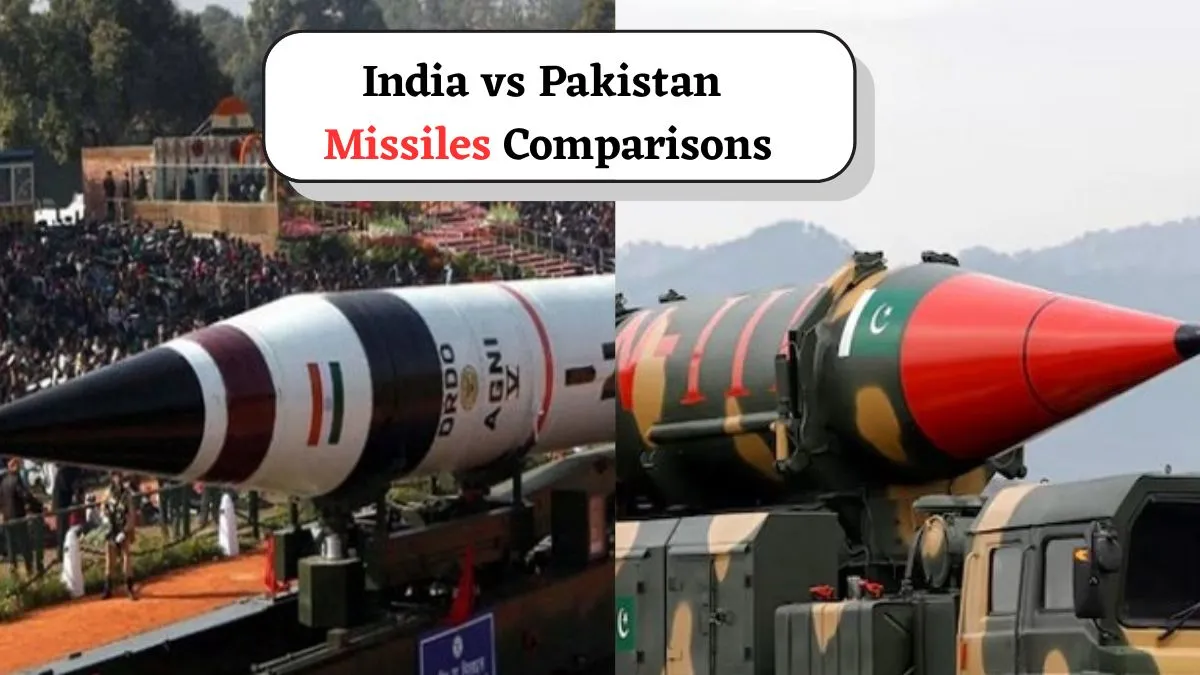
India and Pakistan both became nuclear-armed in 1998. Since then, their rivalry has been shaped by deterrence. Under this shield of mutually assured destruction, they entered a missile race. Each side built longer-range rockets and advanced delivery systems. They claim these are only for defense. But for the other side, such steps trigger an alarm. This is the classic security dilemma. One state seeks security through missiles. The other feels less secure. The result is an endless cycle of escalation.
Pakistan’s Missile Race with India
Pakistani analysts are clear about the origins of their missile program. They stress that it began only after India advanced its own. One study observes that Pakistan’s entire ballistic missile program “was initiated in response to India’s missile developments.” This finding underscores the reactive nature of Islamabad’s strategy. Pakistan did not pursue missiles for prestige or expansion. Instead, it responded directly to India’s advances. Each Indian step in missile development forced Pakistan to seek matching capabilities. When New Delhi tested the Prithvi and Agni systems in the 1970s and 1990s, Islamabad felt compelled to respond. Out of this came the Hatf, Ghauri, and Shaheen missiles. These became the backbone of Pakistan’s nuclear deterrent. Each new Indian step, whether in longer-range missiles, advanced radars, or missile defense systems, pushed Pakistan to match it. India claimed these were defensive measures. Pakistan saw them as threats that could undermine mutual vulnerability. This would destroy the very balance that makes deterrence credible.
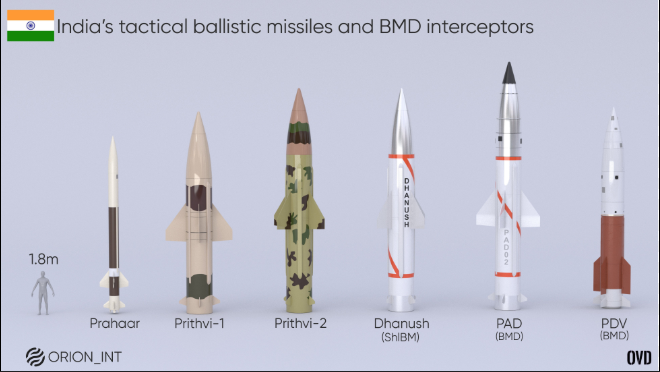
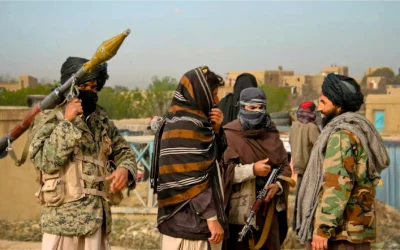
Source: Overt Defense
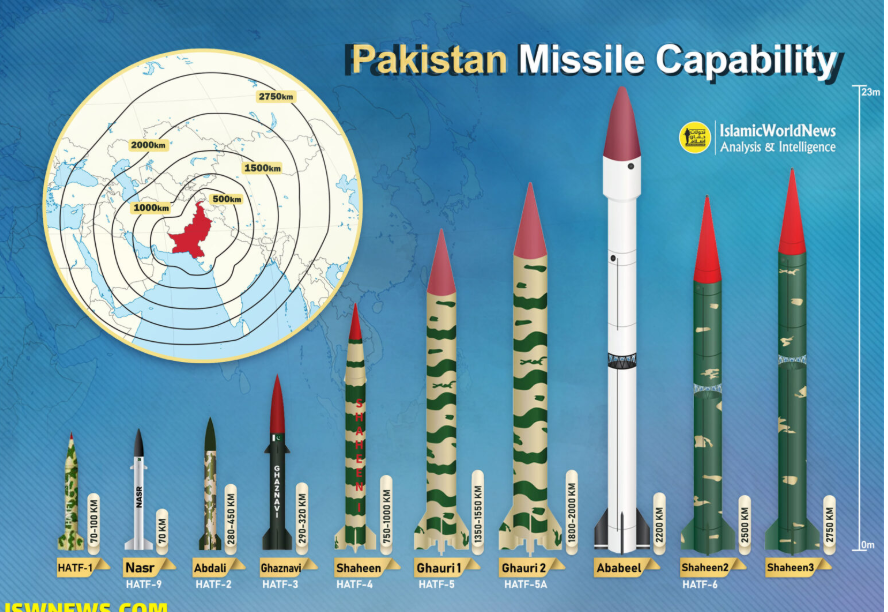
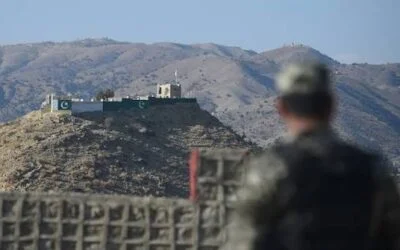
Source: ISW News
The S-400 purchase by India sharpened these fears. If India could intercept missiles, then deterrence would break down. To offset this risk, Pakistan expanded its own arsenal. It invested in new missiles with better range, speed, and survivability. Each Indian advance triggered a Pakistani counter. This cycle reflects the security dilemma in its purest form. One side’s search for safety makes the other side insecure. Pakistan sees its actions as survival, not aggression. Yet the result is an arms race that neither side can escape. Stability remains fragile, resting only on the fear of mutual destruction.
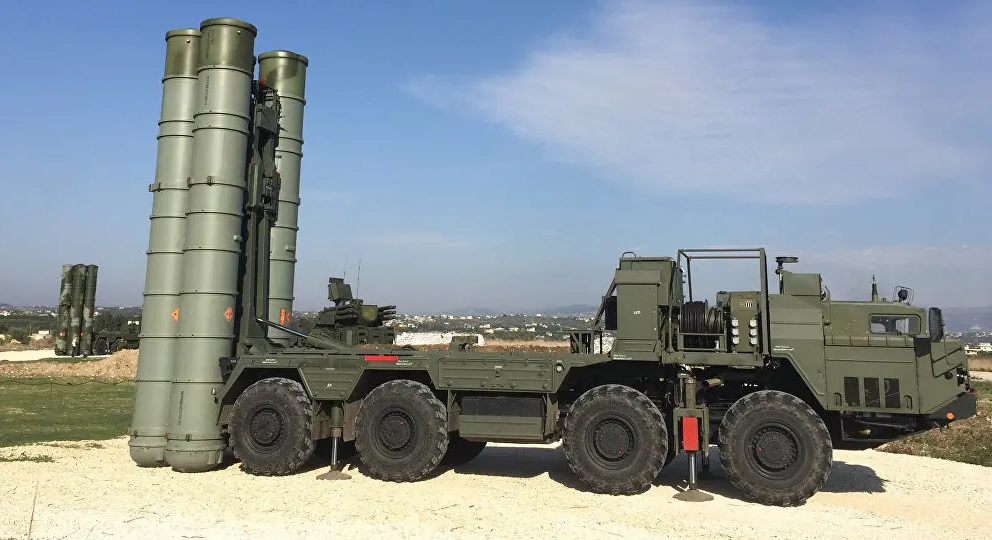
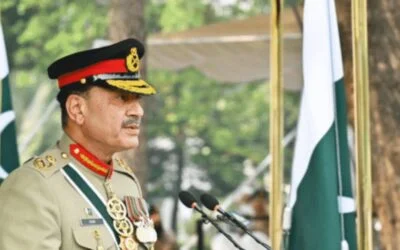
Source: Current Affairs
Recent Missile Tests and Rising Tensions
This uneasy pattern has repeated many times. Each new exchange highlights the deep mistrust between India and Pakistan. In May 2025, Pakistan tested two surface-to-surface missiles. These included the short-range Fatah and the new 450 km-range Abdali. The tests came only days after India carried out military exercises near the border. Pakistani officials described the launches as routine drills. Prime Minister Shehbaz Sharif declared that the successful tests “made it clear that Pakistan’s defence is in strong hands.” The Foreign Office echoed this message. It stressed that Pakistan’s strategic programs are defensive in nature. It reminded the world that every missile and nuclear system is designed only to defend sovereignty and preserve peace and stability in South Asia.
Operation Sindoor: A Covert Aggression
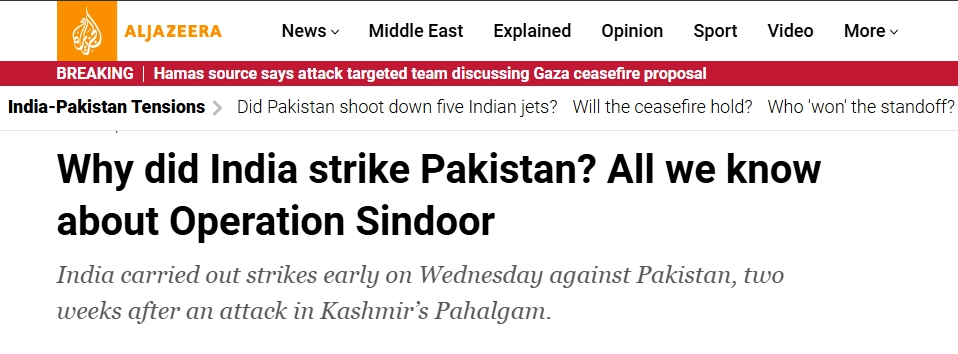
In early May 2025, New Delhi launched a high-visibility campaign called Operation Sindoor. Indian outlets and officials described it as a coordinated show of force. Operation Sindoor was a major Indian military campaign. It came after the April 2025 terrorist attack on tourists in Pahalgam, which India blamed on Pakistan. These were meant to highlight the reach and integration of India’s missile and conventional forces. India presented the moves as deterrence and counter-terror measures. The Indian Army and paramilitary forces led the execution. This cowardly attack by India brought both nuclear nations to the brink of war.
Yet Pakistani authorities, along with many regional analysts, saw them differently. They viewed Sindoor as a political-military signal designed to project dominance and increase pressure on Islamabad. The Indian narrative, and the publicity surrounding the operation, emphasized longer-range systems and rapid strike drills. This hardened perception in Islamabad that India was trying to reshape the operational balance in South Asia.
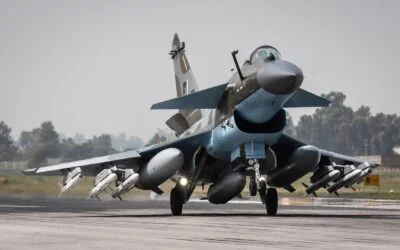
Source: Al Jazeera
Operation Bunyan-ul-Marsoos – Pakistan’s Calibrated Response
Islamabad responded with Operation Bunyan-ul-Marsoos. In the days leading up to the operation, Pakistan staged training launches. These included a Fatah series test and a government-announced Abdali launch with a reported 450 km range. Once tensions peaked, the military carried out what it called coordinated strikes on Indian military facilities. Public messaging stressed restraint and precision. The DG ISPR told the nation that Pakistan would act “at a time, place, and in a manner of our choosing.” This phrase was repeated in tri-service briefings and press statements. The operation was framed as a defensive and proportional response to threats against sovereignty. Prime Minister Shehbaz Sharif and other officials reinforced the point. The country’s strategic programs exist to protect sovereignty and preserve stability in South Asia. At the same time, both capitals insisted their actions were defensive.
Conclusion
India sees Pakistan’s missile launches as deliberate provocations. Each test feeds its fears of sudden strikes. On the other side, Indian military advances deepen Pakistan’s suspicion that India seeks military dominance. This creates a deadlock. Every move by one side reinforces the other’s insecurity. The danger is real. A miscalculation during a test or an aggressive response could spark a crisis. This cycle is unsustainable. Confidence-building measures are needed. Steps like advance notifications of missile tests or agreed limits on ranges could slow the arms buildup. Without such efforts, South Asia risks sliding into deeper instability.