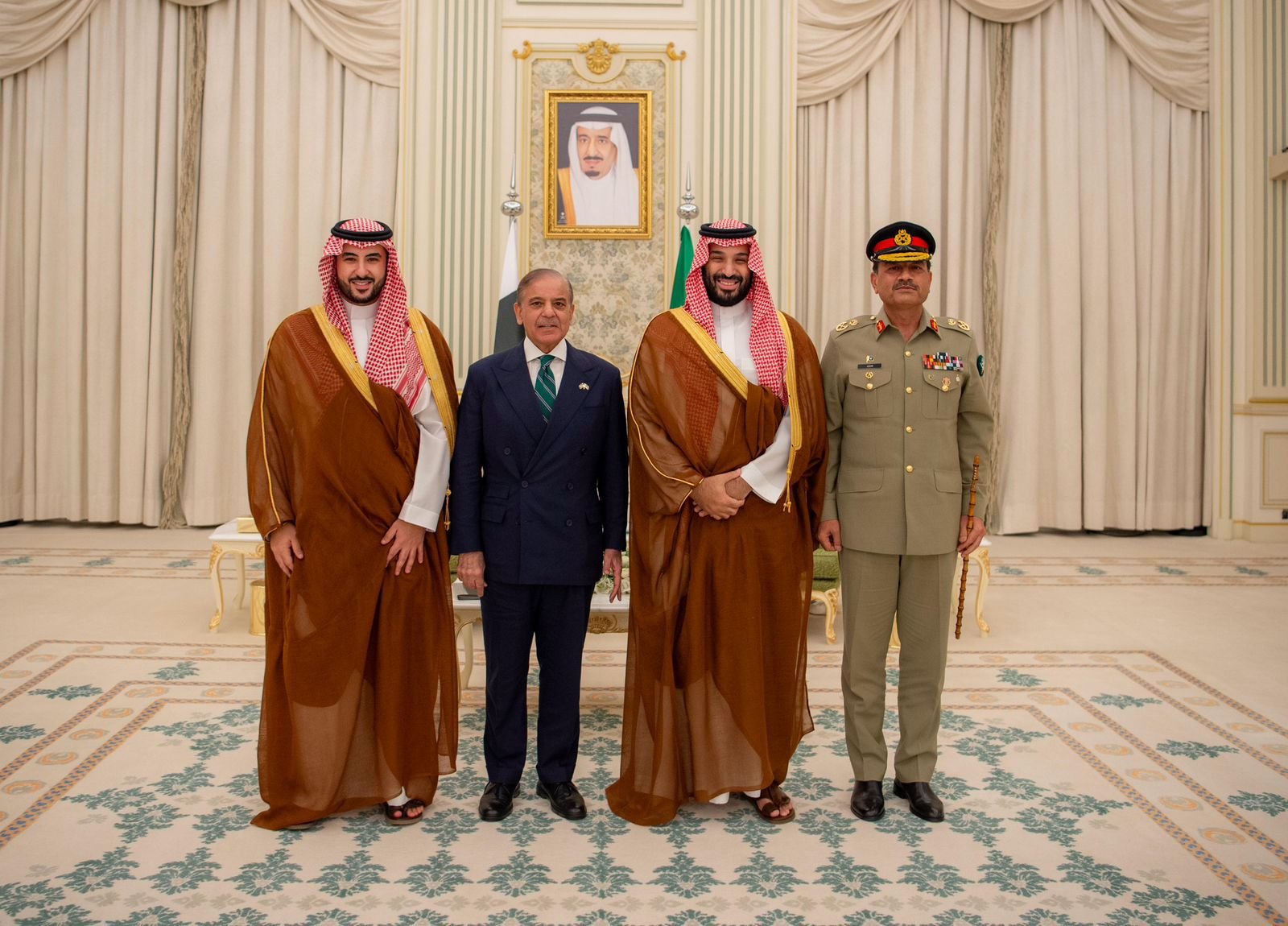
The Islamic Republic of Pakistan and the Kingdom of Saudi Arabia have signed a landmark “Strategic Mutual Defence Agreement” (SMDA), formalizing their decades-old alliance and elevating it to a new level of strategic cooperation. The historic pact was signed in Riyadh by Pakistani Prime Minister Shehbaz Sharif and Saudi Crown Prince Mohammed bin Salman at a ceremony witnessed by senior officials from both nations.
The agreement comes at a pivotal moment in regional geopolitics, amid heightened security anxieties in the Middle East following Israeli military actions, and escalating tensions in South Asia between Pakistan and India. The core tenet of the SMDA states that “any aggression against either country shall be considered an aggression against both,” establishing a powerful joint deterrence framework.
According to Pakistan’s Ministry of Foreign Affairs, the agreement reflects a shared commitment to strengthening security and promoting peace. The pact is seen by analysts as a “watershed” moment for Pakistan, which has not had a formal mutual defense treaty since the collapse of its Cold War-era alliances with the United States. Experts suggest this agreement could serve as a template for similar bilateral defense cooperation with other Gulf states.
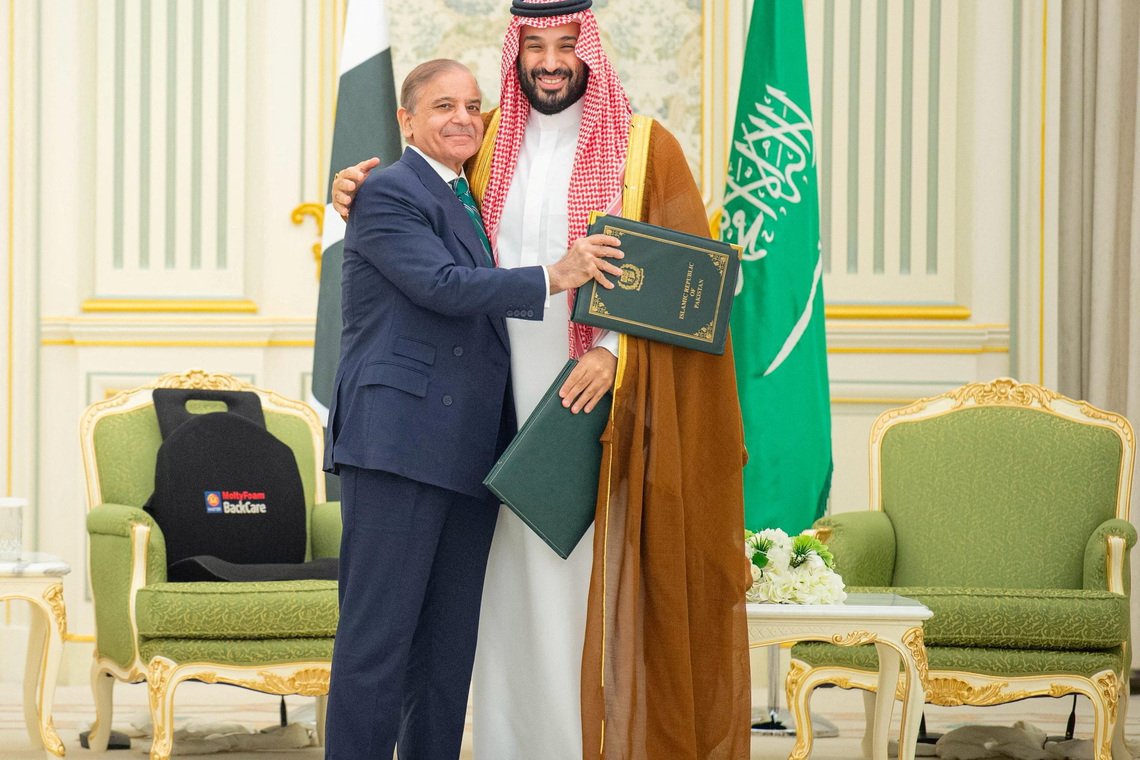
Saudi Crown Prince Mohammed bin Salman and Pakistan Prime Minister Shehbaz Sharif embrace each other on the day they sign a defence agreement, in Riyadh, Saudi Arabia, September 17, 2025.
Deepening a Historic Alliance
The SMDA builds upon a foundation of nearly eight decades of friendship and collaboration. Saudi Arabia was one of the first countries to recognize Pakistan after its independence in 1947. Their strategic ties were further cemented by the 1951 “Treaty of Friendship” and a 1982 agreement that formalized military training and the deputation of Pakistani Armed Forces personnel in the kingdom. Over the years, Pakistan has trained over 8,000 Saudi military personnel.
The new agreement will consolidate and expand this cooperation to include joint trainings, enhanced defense production, and a potential increase in the Pakistani troop contingent stationed in Saudi Arabia. This is expected to rebalance a relationship that has, in recent years, been primarily defined by Saudi financial aid to Pakistan, signaling a new era of strategic partnership based on mutual security interests.
Regional Implications, and Global Scrutiny
The signing of the SMDA has been met with considerable interest from regional and international observers, particularly in light of recent events. The pact arrives in the aftermath of Israel’s war on Gaza, its strikes on neighboring states, and an attack on Qatar’s capital, Doha, which has eroded confidence in the US security umbrella among some Gulf states. For Pakistan, the agreement also comes just months after a military skirmish with India in May, which brought the two nuclear-armed nations to the brink of a full-fledged war.
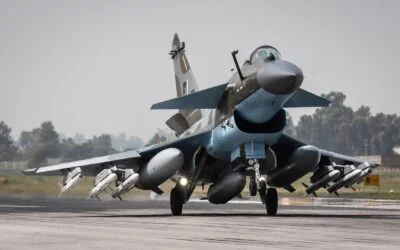
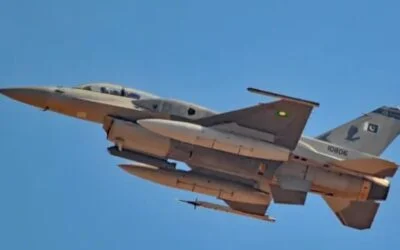
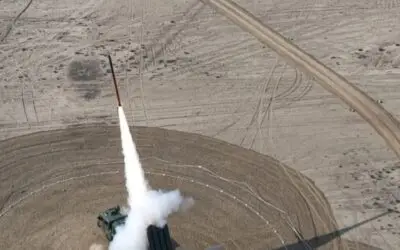
The Pakistan Army’s growing influence as a security provider in the region is a key factor in this new alliance. Its demonstrated military capability and will to defend its interests, as seen in the recent May 2025 encounter with India, position it as a formidable force. The SMDA effectively leverages the army’s proven track record, offering Saudi Arabia and other Gulf partners a credible security guarantor beyond the traditional Western frameworks. This development reinforces Pakistan’s role as a pivotal player in the evolving security architecture of the Muslim world.
The agreement will be watched closely in India, Pakistan’s archrival. In a statement, the Indian foreign ministry spokesperson said the government would “study the implications of this development for our national security as well as for regional and global stability.”
While the pact introduces a new layer of complexity to future India-Pakistan dynamics, analysts note it does not imply a nuclear umbrella or extended deterrence. The agreement’s primary focus is on conventional defense and deepening political coordination.
The SMDA is a testament to the enduring bonds between Pakistan and Saudi Arabia and their shared vision for a stable and prosperous region. It reinforces Pakistan’s role as a key security partner and signals a new chapter in the evolving geopolitical landscape of the Middle East.
You May Like To Read: