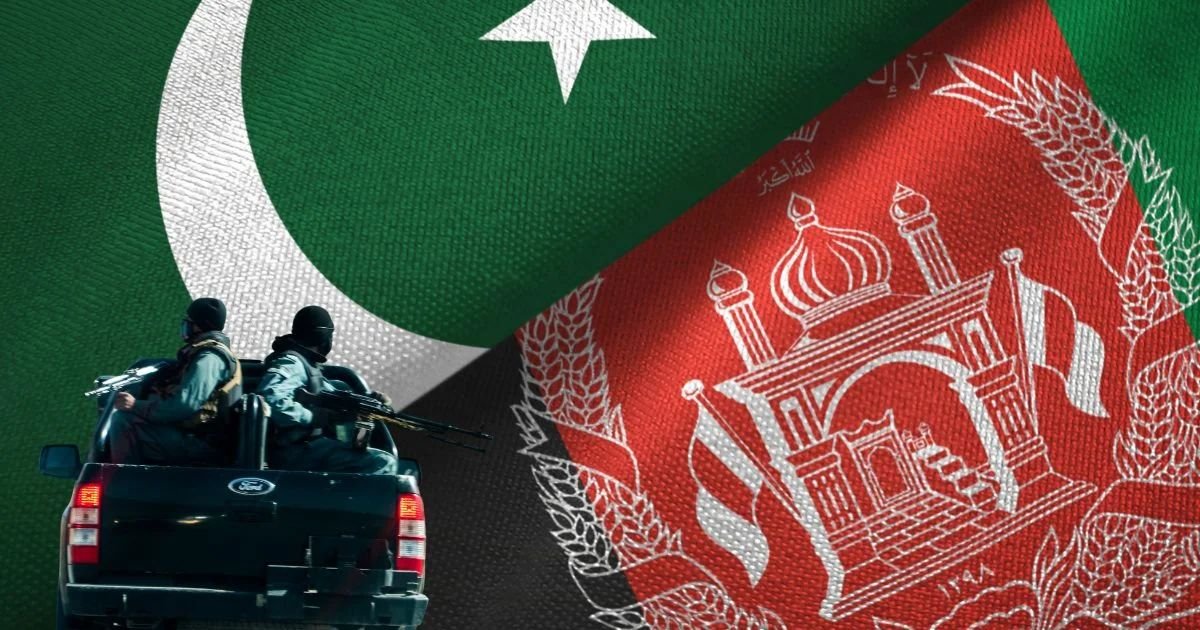
Turkey and Qatar jointly mediated peace talks between Pakistan and Afghanistan, which began with intensive rounds in Istanbul, have finally collapsed, as per the latest reports. The objective of these peace talks was to stabilize the unstable border region and ensure that no longer would Afghan soil be used to launch attacks within Pakistan. All-day meetings brought both senior intelligence, military, and diplomatic representatives to the table, building on the ceasefire brokered by Qatar in Doha on October 19. These talks followed a ceasefire brokered by Qatar in Doha on October 19. The first meeting of the negotiators took place from October 25-28 in Istanbul, with limited progress. Discussions resumed on October 30 at the urging of Turkish and Qatari mediators, who warned that a full-scale war could break out otherwise. The third round of talks was held on November 6 to finalize details, but it was halted. Over the weeks, the negotiations had been considered a unique opportunity to shift from rhetoric to concrete security promises. However, the process has stalled, possibly permanently, as of early November.
Regarding the Ceasefire Between Afghanistan and Pakistan https://t.co/HNC0a0REXu pic.twitter.com/VabeZImwkk
— Turkish MFA (@MFATurkiye) October 19, 2025
On 6 November, as top-level negotiations were being held in Istanbul, short but intense fire exchanges along the border occurred between Pakistani and Afghan posts, a sharp wakeup call on how fragile the agreement is. In the meantime, the Inter-Services Public Relations (ISPR) announced that the security forces of Pakistan prevented significant terrorist infiltration attempts after 25 October 2025: on 24-25 October 2025, terrorists were killed by the security forces, including four suicide bombers and a high-value target neutralized on 29-30 October.
On 24-25 October 2025, movements of two large groups of khwarij, opposite general area Ghaki, Kurram District and Spinwam, North Waziristan District who were trying to infiltrate through Pakistan-Afghanistan border, were picked up by the security forces.
Own troops effectively… pic.twitter.com/o5GtmEjFPd
— DG ISPR (@OfficialDGISPR) October 26, 2025
Defense Minister of Pakistan Khawaja Asif announced that the Pakistan-Afghanistan peace negotiations in Istanbul had collapsed and were indefinitely halted following the failure of negotiators to resolve the fundamental differences. Pakistan alleged that the Afghan side refused to sign a written and verifiable commitment to block cross-border terrorism, whilst the Taliban delegation demanded verbal commitments only. The talks, facilitated by Turkey and Qatar, failed to reach any consensus, with the offer made by Islamabad to be evidence-based rejected by Kabul as unrealistic and aggressive. Asif threatened that the ceasefire would only be observed when the Afghan soil is not used to attack Pakistan, and any act of violation will attract a befitting response. The breakdown leaves the fragile truce intact but the peace process effectively stalled, with mediators struggling to revive momentum amid growing mistrust.
🔸 پاکستان اور افغانستان کے درمیان استنبول میں ہونے والے مذاکرات میں ڈیڈلاک
🔸 پاکستان نے مذاکرات میں ثالثی پر ترکیہ اور قطر کا شکریہ ادا کیا۔وزیر اطلاعات عطاء تاڑر
🔸 پاکستان اپنے اصولی موقوف پر قائم ہے کہ افغانستان کی سرزمین سے ہونے والی دہشت گردی پر قابو پانے کی ذمہ داری… pic.twitter.com/vAePfyL6cL
— PTV News (@PTVNewsOfficial) November 7, 2025
Pakistan’s Demands
Islamabad has established a three-point agenda. First, international terrorism should come to an end. Pakistani authorities also demand that their neighbors must dig out militants who use Afghan soil as a Launchpad. According to one Pakistani security source, the “central demand” of Islamabad is that Afghanistan should act on its soil against Indian-sponsored militants who are using its land as a safe haven and to organize attacks on Pakistani soil. Defense Minister Khawaja Asif reiterated this as a “single agenda”, i.e., to get Kabul to rein in militants attacking the Pakistani forces along the border. Second, Pakistani leaders demand assurances that Afghanistan will not be a base to attack Pakistan. The Taliban delegation was informed that the Afghan soil is not to be used as a Launchpad to launch attacks within Pakistan. Third, Pakistan requires a verifiable monitoring mechanism to implement the truce. Islamabad has presented evidence-based, justified, and logical proposals to end cross-border attacks. Essentially, Islamabad is seeking tangible assurances (preferably a joint border-monitoring system) that the Taliban will act on its promises.
- End cross-border terrorism: Pakistan demands that Afghanistan should act to eliminate militants (including the TTP) who use its territory to attack inside Pakistan.
- No Afghan soil for attacks: Islamabad requires official confirmation that Afghanistan will never be used as a Launchpad to attack Pakistani soil again.
- Monitoring mechanism: Pakistan is urging an effective, verifiable, and clear system to police the border commitments.
The aim, as Pakistani officials put it bluntly, is to end terrorism across the frontier. Islamabad has even threatened that, without negotiations, open war may re-emerge. However, Pakistan is currently offering diplomacy a chance upon the request of Turkey and Qatar, remaining in Istanbul to advance its argument instead of dropping out.
Mediators and Process
Turkey and Qatar were active participants as hosts and facilitators. Before the sudden collapse of the Istanbul Round, only limited progress was made. On October 30, Turkey issued a joint statement (on behalf of all sides) reaffirming the ceasefire and requesting follow-up discussions. Soon after, the Foreign Ministry of Qatar reiterated that all sides had agreed to continue the ceasefire and establish the verification mechanism. Al Jazeera quoted Turkey as saying that the mechanism would uphold peace and penalize violators. The two mediators have done a lot of lobbying to ensure that delegates remain at the table. The Pakistani delegation, headed by intelligence chief Lt. Gen. Asim Malik, agreed to remain an additional day, once again at the request of Turkey and Qatar.
Joint Statement on the Talks Between Afghanistan and Pakistan Through the Mediation of Türkiye and Qatar https://t.co/y1SH30i88Q pic.twitter.com/wH4GW3SC9k
— Turkish MFA (@MFATurkiye) October 30, 2025
To date, the negotiations have been fierce, working 24/7, as the diplomat puts it. So far, the talks were intense, running “around the clock” in the diplomat’s words. Delegations were having plenary sessions and working groups hashing through Islamabad’s evidence and Kabul’s counterpoints.
Prospects and Challenges
It is observed that the road ahead is rocky. Istanbul faced a tense situation as Turkish and Qatari mediators stayed late on Friday to break the deadlock. Some Pakistani officials stayed behind to assist, but the failure of this round highlighted mistrust and rigid positions that hindered progress. Both sides are said to uphold the truce, but ongoing cross-border fire tests its stability. A follow-up meeting was planned for early November to finalize a verification mechanism, but Islamabad is growing impatient. Currently, talks are at a standstill, with Turkey and Qatar quietly communicating through back-channels to keep dialogue ongoing, though their influence is limited. For now, the ceasefire remains intact, maintained by mediator efforts and diplomatic restraint. The coming weeks will determine if Istanbul’s efforts can be revived or if both countries are slipping back into suspicion and border violence. Pakistan has already warned that it will never allow new attacks. The Army Chief in Peshawar also said that Pakistan is seeking peace but will not accept cross-border terrorism through Afghan soil.
Generally, the negotiations have produced clear statements and no agreement as yet. Pakistan has re-embarked on its primary requirement of action against militants and has received the verbal backing of the mediators on a verification regime. The following weeks will determine whether Turkey and Qatar can fill the gaps.
Check out our latest video: