Introduction
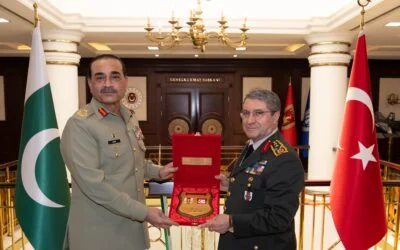
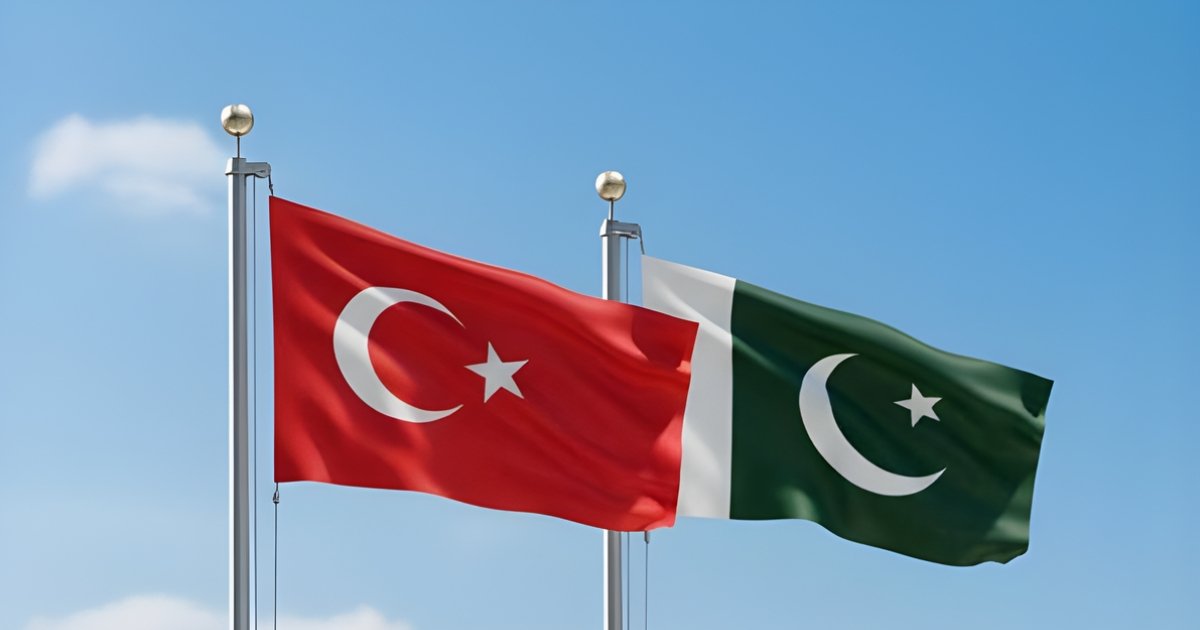
Pakistan and Turkey identify themselves as brotherly countries, and over the past couple of years, their defense relations have deepened. Islamabad and Ankara are pursuing ambitious co-production plans, starting with co-developed warships, fighter jet projects, and drone cooperatives. Visits by high-level officials, such as Turkish Foreign and Defense Ministers Hakan Fidan and Yasar Guler, who met Prime Minister Shehbaz Sharif in July 2025, have reinforced this trend. Pakistan and Turkey are currently working together on significant projects, including the MILGEM corvette warships, joint production of Turkey’s next-generation KAAN fighter, and UAV assembly plants.
Strategic Background
Turkish-Pakistani military cooperation is decades old and has increased under recent governments. The two countries share similar geopolitical interests: Muslim-majority status, strategic locations, and regional security concerns. Turkey supported Pakistan strongly when it faced India in May 2025, and Islamabad returned the favor by agreeing to joint Turkish-Pakistani economic projects. There is a high degree of cooperation. Ankara has become one of the most important partners of Islamabad in military equipment, providing warships, modernizing Agosta-type submarines, and sharing drone and aircraft technology. Under the PN-MILGEM naval project, in Turkey, ASFAT is constructing the first two corvettes, and Pakistan is constructing the second two under Turkish technology transfer. In July 2025, Pakistani and Turkish leaders reached a categorical agreement to establish joint working groups in aerospace, advanced training, and emerging areas of warfare.
The KAAN fifth-generation fighter program in Turkey is perhaps the most radical endeavor. The two countries agreed on a joint KAAN production facility in Pakistan in January 2025, which will incorporate the Pakistani aviation industry into the Turkish jet program. This step, and other initiatives, indicate an ambitious plan: to become not only importers but also co-producers of major technologies. Both Ankara and Islamabad openly associate these defense alliances with national sovereignty and growth. According to Turkish President Erdogan, in a speech in Karachi during the 2022 launch of the PN-MILGEM corvette at the Karachi Shipyard, taking care of the Pakistani military infrastructure is similar to taking care of the Turkish military infrastructure. Pakistani leaders also stress that these projects represent a mutual desire to modernize their military.
Evidence and Analysis of Major Joint Projects
Naval Shipbuilding (MILGEM)
The PN-MILGEM project is a flagship project. The ASFAT state firm of Turkey is the builder of the first two Ada-class corvettes of Pakistan, and in 2022, the third was launched in Karachi. More importantly, the following two ships were to be constructed in Karachi Shipyard of Pakistan and comprise a complete transfer of Turkish technology. This develops local shipbuilding capabilities and infrastructure. The general manager of Karachi Shipyard observed that co-building of MILGEM corvettes will improve the shipbuilding capacity of the Pakistan Navy by training engineers and fabricators to acquire the new design and weapon systems.
Commissioning ceremony of 2️⃣nd MILGEM ship PNS Khaibar was held today at #Istanbul Naval Shipyard. The occasion was graced by the presence of President of Turkiye H.E Recep Tayyip Erdogan. 🇵🇰🇹🇷
1/4 pic.twitter.com/GxmTrSice7— Pakistan Embassy Türkiye (@PakinTurkiye) December 20, 2025
The launch of PNS Khaibar, which is the second MILGEM-class corvette in Istanbul Naval Shipyard, highlighted the further integration of Pakistan-Turkey defense cooperation, and President Recep Tayyip Erdogan emphasized on the need to manufacture defense together.
Fighter Jet Co-production (KAAN)
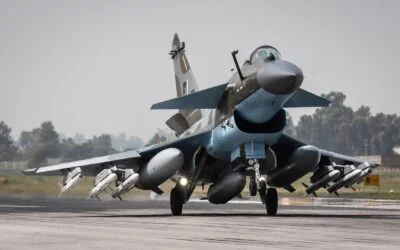
The KAAN project is a good example of long-term cooperation. The 5th-generation jet developed by Turkey (since 2010) is currently intended as a joint venture with Pakistan. During the 2025 Pak-Turk Industrial Expo, officials declared that Pakistani engineers would be involved in the development of KAAN. Turkish Defense Minister Yasar Guler affirmed that the official participation of Pakistan was about to be finalized.
Turkish Aerospace Industries Pakistan:
The 1:7 scale dynamic RC model of Turkey’s 5th-gen fighter jet KAAN, named “IQBAL” has successfully completed its first flight.
IQBAL is now preparing for its subsequent flights to test control laws, aerodynamics & other critical data. pic.twitter.com/BQbjXAhN3i— AERIAL WARRIOR (@zspcl) December 7, 2025
The joint KAAN factory will provide Pakistan with access to cutting-edge technology and assist in enhancing its air capabilities considerably, as well as boosting its local defense industry. That is, Pakistani technicians will be trained on the latest fighter jet production and design. In fact, Pakistan played a hands-on role, with a 1:7 scale model of the KAAN prototype, named IQBAL, actually being designed in Pakistan and having a test flight in late 2025. The Pakistan Air Force will one day see KAAN-based jets produced within its own factories, which will help it not to rely on foreign fighters.
View this post on Instagram
Drone and UAV Cooperation
Another field that is quickly emerging is unmanned systems. In late 2025, Turkey was also reported to have established a combat drone assembly facility in Pakistan to assemble Turkish drones such as Bayraktar TB2 and Akinci. The publicly declared ambition of Turkey is to install production lines within major allied states, whereas the ambition of Pakistan is higher local content in its arsenal. To Islamabad, it is a change of direction; it alters Pakistan not by being a receiver of defense hardware but a co-producer, integrating Pakistan into the drone supply chain of Turkey. Pakistani engineers will therefore manufacture and service the high-tech UAVs within the country, with quicker delivery times and with upgrades in the future (e.g., integration of domestic weapons). Turkish drones are already in operation in Pakistan: the TB2, which they purchased in 2021, has been useful, and they received heavier Akinci drones in 2023. Local production will probably increase this fleet and result in local unmanned projects, such as the YIHA loitering munitions (a well-known Pak-Turk project), and energize Pak drone R&D.
Such partnerships have distinct and enduring advantages for Pakistan. Joint ventures share high tech and develop local expertise. Workers and engineers acquire practical experience in modern defense systems. The co-production of the KAAN fighter exposes Pakistan to stealth designs and better avionics. The production of MILGEM vessels enhances the shipbuilding and unmanned systems skills. This expertise increases defense research and exports in the future. Local manufacturing also reduces expenses and chains. Pakistan becomes less dependent on foreign labor and does not face export restrictions. Maintenance and renovations can be performed locally. Pakistan is even able to export co-produced systems over time.
Such alliances also enhance the strategic autonomy of Pakistan. Co-production will minimize reliance on external suppliers. Pakistan gets better control of upgrades and customized variants. Forces can plan their operations using reliable and home-supported systems. This collaboration with Turkey broadens the strategic relationships of Pakistan beyond China and the United States. It incorporates a powerful political ally and diplomatic backup. At the regional level, this indicates that there are various alternatives available to Pakistan. A balanced approach reinforces deterrence and promotes greater security cooperation.
Risk and Mitigation
There are also evident risks associated with these gains. Pakistan should not be overly reliant on the Turkish defense industry. The industry of Turkey is still emerging and has its limitations. Pakistan must demand complete technological transfer and not merely assembly. There should be licensing and shared design rights. The cooperation with other partners in parallel should be maintained. Backups can be made through indigenous programs and Chinese platforms. This minimizes the risk in case one project stalls.
Another concern is regional tensions. India is suspicious of closer Pak-Tur cooperation. Arms competition may be fueled by joint defense projects. Pakistan must emphasize the defensive aspect of its build-up. Multilateral dialogue and diplomatic involvement are still significant. Mistrust can be reduced with the help of transparency and confidence-building measures. Simultaneously, big projects are vulnerable to delays and cost overruns. Currently, programs such as KAAN are in development. Pakistan should also strategize its budgets and maintain consistent funding. There should be strong oversight mechanisms to maintain the tracking of projects. Security of technology is also essential. Shared systems increase the chances of leakage. There must be a clear legal framework and strict protection. Lastly, political continuity is important. Governments are short-term when compared to defense projects. Cooperation can be safeguarded by binding intergovernmental agreements against political change.
Conclusion
Pakistan-Turkey defense relations are transforming into a feasible and outcome-oriented collaboration. Pakistan is already transforming its defense base through joint projects like the MILGEM corvettes, KAAN fighter co-production, and the drone assembly. These projects increase local production and technical potential. Now, Pakistan needs to work on greater integration. The Turkish training programs should be attended by more officers and engineers. The defense standards are to be revised in accordance with the Turkish systems. This will also enhance interoperability with NATO-linked platforms.
You May Like To Read: Field Marshal Asim Munir Cements Historic $4.6 Billion Defense Partnership in Benghazi, Libya
This cooperation needs to be institutionalized by Pakistan through policy measures. Joint ventures need to be formalized and extended beyond existing projects. The construction of the KAAN facility must be expedited. The same models can be applied to engines, small arms, and maintenance hubs. Investment in human capital is important. Training of engineers should be done in Turkish universities and companies. Long-term skills transfer will be entrenched in exchange programs and scholarships. Meanwhile, Pakistan needs to diversify suppliers. The Turkish collaboration must not be used as an alternative to relationships with China, Europe, and the United States. Parallel indigenous radar, air defense, and surveillance programs will keep a strategic advantage.
It should also have powerful legal and regulatory frameworks. Shared technologies have to be safeguarded by intellectual property laws as well as export control laws. Fair profit sharing and co-ownership should be guaranteed through joint agreements. Public diplomacy must focus on success stories to gain support both at home and abroad. These projects must be presented as steps to self-reliance and not escalation. With proper management, this alliance can enhance military autonomy in Pakistan. Islamabad can create a stronger and more indigenized defense capacity by combining Turkish innovation with the strategic priorities of Pakistan.
Check out our latest video: