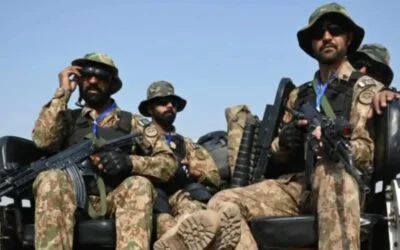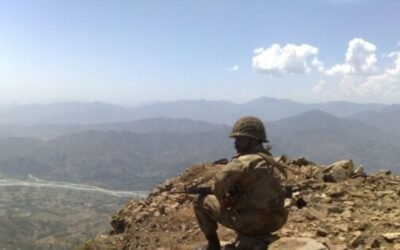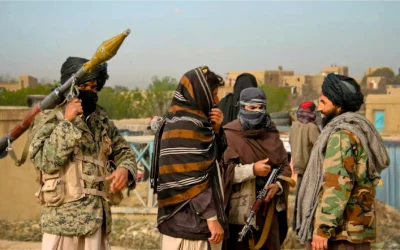
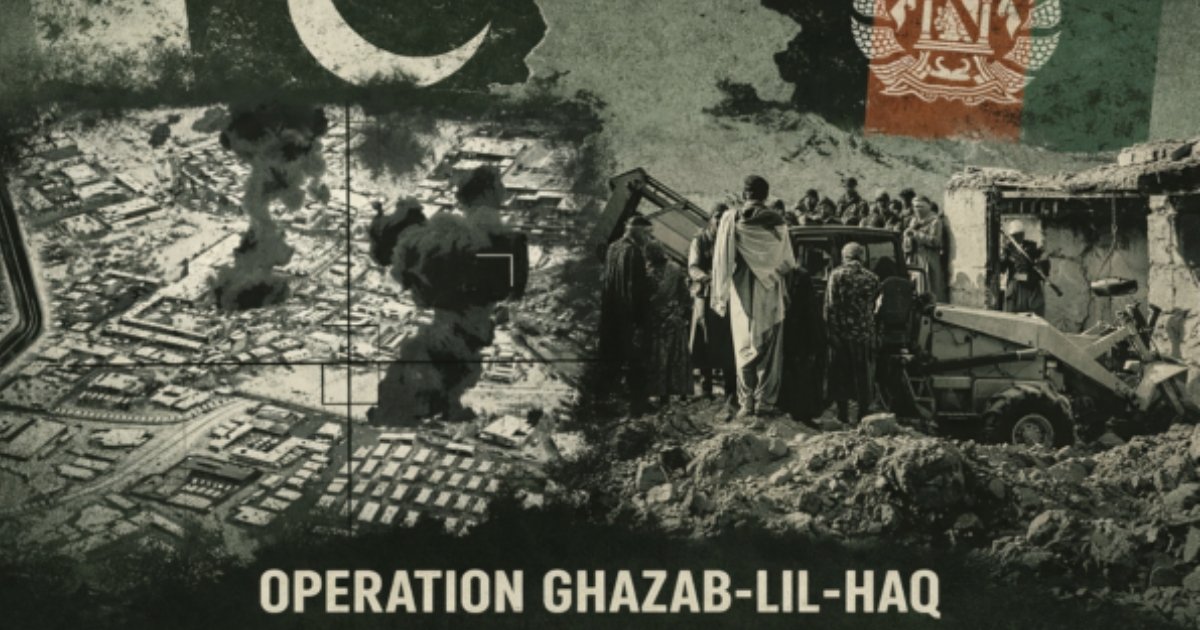
Operation Ghazab lil Haq is one of Pakistan’s most significant recent efforts to combat terrorism and secure borders. The operation was launched in response to increasing cross-border attacks and ongoing militant activity along the Pakistan-Afghanistan border. Pakistani officials described the campaign as a necessary defensive move to destroy terrorist infrastructure used against Pakistan.
The operation involves a mix of air power, precision strikes, and synchronized ground deployments. The goal is not escalation, but rather the neutralization of threats from militants operating across the border. As of March 2026, the operation remains a central focus of Pakistan’s national security policy.
Why the Operation Started
The strategic context behind the Operation Ghazab lil Haq is the rise of cross-border terrorism targeting the western region of Pakistan. Pakistani officials have repeatedly warned that militant groups, especially Tehrik-e-Taliban Pakistan (TTP), known locally as Fitna al-Khawarij, are operating from safe havens across the Durand Line. These groups are blamed for attacks on Pakistani security posts, civilians, and infrastructure.
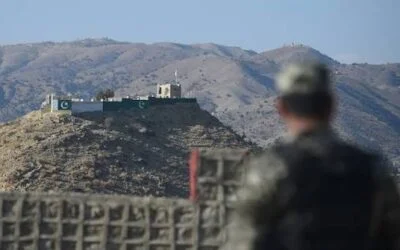
In February 2026, there was a tense situation after militants reportedly coordinated attacks on several Pakistani border posts. Pakistani authorities called these attacks unprovoked firing from Afghan territory. This incident underscored Islamabad’s longstanding claim that militants use cross-border safe havens for planning and executing assaults against Pakistan.
From Pakistan’s security perspective, the ongoing presence of militant infrastructure is a direct threat to national stability. Diplomatic channels repeatedly raised these concerns but failed to reduce militant activity. As a result, they decided that a large-scale military operation was unavoidable to defend the country’s territory and people.
When and How the Operation Began
The latest cross-border attacks prompted Operation Ghazab lil Haq to start on the night of February 26 and 27, 2026. The operation was approved by the civilian government and executed by the armed forces with intelligence agency support. The Prime Minister Shehbaz Sharif was then briefed on the ongoing situation.
Prime Minister Muhammad Shehbaz Sharif visited GHQ and received a detailed briefing on the Pakistan Afghanistan security situation. Reaffirming zero tolerance for terrorism and hostile actions against Pakistan, he expressed full confidence in the leadership of COAS & CDF, Field… pic.twitter.com/qQVpdAA9SC
— Ministry of Information & Broadcasting (@MoIB_Official) February 27, 2026
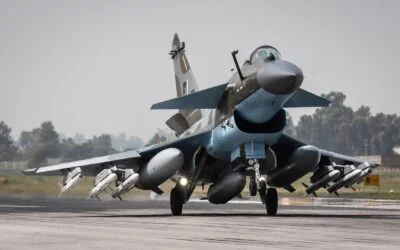
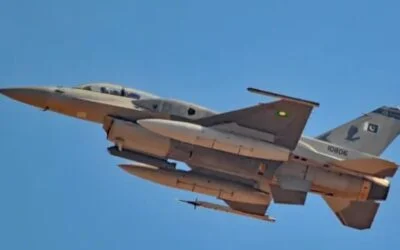
The military used a combination of precision airstrikes, drone operations, and artillery against militant hideouts near the Pakistan-Afghanistan border. Targets included sites used for training, logistics, and command activities. The Pakistan Air Force (PAF) played a key role, striking facilities in regions like Laghman, Kandahar, and other border provinces, supported by ground forces attacking militant positions. According to the New York Times, Pakistan destroyed Taliban equipment attacking Bagram base.
🔴⚠️Operation Ghazab lil Haq#Pakistan Airstrikes Destroy Key Taliban Assets at Former U.S. Bagram Base
According to Satellite images from Airbus, obtained by The New York Times, confirms 1st of March strikes reduced structures to debris and destroyed Taliban equipment… pic.twitter.com/diIxMBbP0N
— Pakistan Armed Forces News 🇵🇰 (@PakistanFauj) March 3, 2026
The strategy was to dismantle militant networks and prevent further incursions into Pakistan. The strikes were intelligence-based, targeting weapons depots, command centers, and logistical hubs. The coordinated aerial and ground efforts reflect a shift toward more precise counter-terrorism tactics.
Operational Achievements and Battlefield Developments
Pakistani authorities report significant early successes. Statements from ISPR and officials claim hundreds of militants have been neutralized. The operation has also come at a cost, with 12 Pakistani soldiers confirmed martyred defending border positions and engaging in combat. According to the South Asia Terrorism Portal, as of 5 March 2026, the official figures reported:
Approximately 583 Afghan Taliban or militant fighters were killed in the operation.
Over 795 militants have been injured in ongoing engagements.
Around 242 militant check posts were destroyed by the Pakistani military.
Approximately 38 posts are captured by Pakistani troops.
213 tanks, armored vehicles, and artillery systems were destroyed during strikes.
On the night of 5 March and 6 March 2026, TTA fighters, along with FAK militants, cowardly attacked Pakistani territory and launched 10 large ground assaults and 20 major fire raids in the Kurram district. Pakistan forces successfully repelled all the attacks, killing 60 to 65 militants and injuring nearly 80 militants.
⭕️𝐏-𝐀𝐌 𝐄𝐱𝐜𝐥𝐮𝐬𝐢𝐯𝐞: 𝐓𝐓𝐀 𝐍𝐢𝐠𝐡𝐭 𝐀𝐭𝐭𝐚𝐜𝐤 𝐨𝐧 𝐊𝐮𝐫𝐫𝐚𝐦 𝐁𝐨𝐫𝐝𝐞𝐫 𝐑𝐞𝐩𝐞𝐥𝐥𝐞𝐝🇦🇫⚔️🇵🇰
On the night of 5-6th March, P-AM representatives report that Afghan TTA forces, attempted 10 large scale ground assaults and nearly 20 major fire raids against… pic.twitter.com/1nUvJjj28O
— Pak-Afghan Matters (@pakafghanmatter) March 6, 2026
Pakistani forces also destroyed numerous hostile positions along the frontier, targeting more than 80-100 fortified sites. They also destroyed enemy equipment, including vehicles, armored units, and ammunition depots, disrupting militant logistics severely. A successful air strike was carried out by the Pakistan Army, which destroyed the Afghan Taliban 205th Corps Brigade Headquarters in Kandahar.
According to official Pakistani sources, the Pakistan Army carried out a successful air operation and destroyed the Afghan Taliban’s Brigade Headquarters of the 205 Corps in Kandahar.
Sources said that during the operation, Afghan Taliban ammunition depots were also targeted.… pic.twitter.com/KadjvSvCsZ
— Tribal News Network (@TNNEnglish) March 5, 2026
The operation targeted command-and-control facilities that orchestrated attacks from across the border. By striking these hubs, the military aims to weaken militants’ operational capacity and prevent future assaults.
As the operation continued, a suicide bombing of a vehicle in Miranshah, North Waziristan, left 18 civilians, including children, in critical condition, highlighting the widespread effects of the sustained operation in terms of security.
UPDATE: A total of 18 civilians including children have been injured, 4 of them are said to be in critical condition in a suicide bombing in North Waziristan: Official Source
[The image via drone cam shows the damage and impact of the suicide bombing] https://t.co/wGdGbbpoPj pic.twitter.com/z8dwaHDKo2— The Khorasan Diary (@khorasandiary) March 6, 2026
Strategic Significance for Pakistan’s Security
Operation Ghazab lil Haq highlights key aspects of Pakistan’s counter-terrorism policy. It demonstrates a willingness to use significant military force when threats extend beyond borders. Officials justified the operation as necessary to protect sovereignty and local communities.
Secondly, the operation serves as a deterrent, signaling that attacks from outside territory will be met with force. Striking militant infrastructure beyond immediate border zones sends a strong message that Pakistan will not tolerate such threats.
Third, it reflects a more integrated approach combining intelligence, air, and ground operations. This coordinated strategy is based on lessons learned from past counterterrorism efforts in Pakistan, to achieve more effective outcomes.
Current Status and Future Outlook
As of March 2026, Pakistani officials say Operation Ghazab lil Haq is ongoing and on track to achieve its objectives. Military spokespeople have stated that the campaign will continue until the desired security outcomes are achieved.
🚨⚠️Operation Ghazab lil Haq Continues
🔴 Actual footage with audio of our Security Forces raid on Afghan Taliban Markaz Post, North Waziristan#Pakistan #Iran #IranWar #ISPR
A video of our brave soldiers entering #Afghanistan in broad daylight, Intel Sources
The Pakistan… pic.twitter.com/Dj57TiQfIH
— Pakistan Armed Forces News 🇵🇰 (@PakistanFauj) March 2, 2026
The operation has also created a complex diplomatic situation. While Pakistan insists it is only targeting terrorist threats, the escalation has strained relations with Afghanistan’s authorities. Nonetheless, Pakistani leaders continue to emphasize that lasting stability depends on preventing militant groups from using Afghan territory to conduct operations against neighboring countries.
Looking forward, the operation might slowly turn into a stabilization phase based on border security and counter-infiltration. Continued surveillance, intelligence operations, and targeted strikes are likely to be a part of Pakistan’s strategy.
Ultimately, Operation Ghazab lil Haq reflects Pakistan’s resolve in dealing with cross-border terrorism while re-emphasizing the principle that any aggression against its territory will lead to strongly felt reactions. For Pakistan’s security planners, the campaign is not only a question of national security, but also a strategic signal regarding the country’s red lines with regard to issues of sovereignty and national security.
You May Like To Read:
- TTP/FAK Sanctuaries and Regional Stability: Why Pakistan-Afghanistan Tensions Have Intensified
- Operation Ghazab-lil-Haq: Pakistan’s Defenses Inflict Devastating Losses on Taliban (TTA & TTP)
- Operation Ghazab-lil-Haq Intensifies; Taliban Key Posts in Arandu and Kurram Sectors Decimated by Security Forces