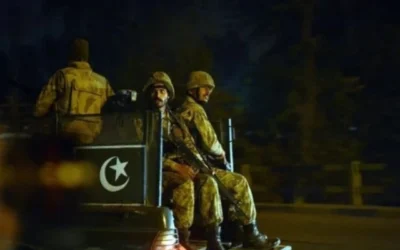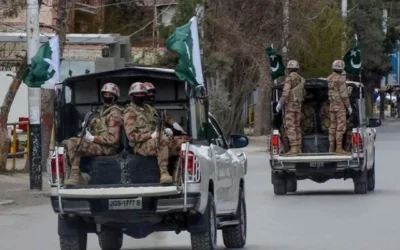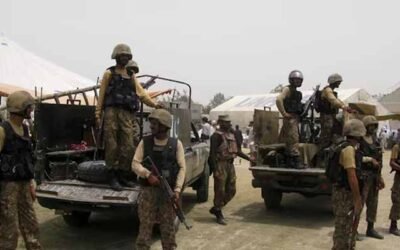
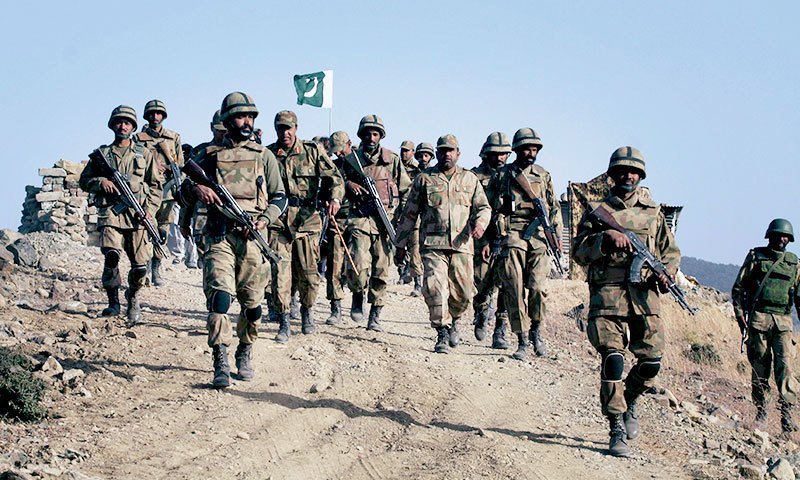
There was a high-profile attack in Bannu District in Khyber Pakhtunkhwa on 21 February 2026. A suicide bomber drove an explosives-laden vehicle into an army convoy, killing two soldiers, including one lieutenant colonel. In the ensuing clash, 5 militants were killed as Pakistani forces foiled the bomber’s plan. These attacks, carried out by the Fitna al-Khawarij militants, highlight an ongoing insurgent threat across the region. Pakistan promised to persist in its operations “irrespective of [their] location” and to adopt a stronger approach against violence.
🚨#ISPR
Rawalpindi, 21 February, 2026On 21 February, in a cowardly attack, Security Forces convoy was targeted by #India proxy Fitna al Khwarij in Bannu District, #Pakistan while an intelligence based operation was being conducted on reported presence of Khwarij including a… pic.twitter.com/Ph8zCK4rmQ
— Pakistan Armed Forces News 🇵🇰 (@PakistanFauj) February 21, 2026
In a press release, the military’s media wing (ISPR) said the convoy was ambushed by fighters of the banned TTP (called Fitna al-Khawarij). The ISPR said the suicide bomber was stopped by the leading troops, preventing what it described as “a major catastrophe”. Islamabad reiterated that the fight would continue at full force: “Pakistan will not exercise any restraint and operations would continue irrespective of their location,” the statement asserted. It added that the sacrifice of these soldiers only increased “our undying commitment to securing our nation at all costs”. President Zardari and Prime Minister Sharif paid tribute to the martyrs and promised to continue counter-terror efforts unchanged.
Bannu has long been a flashpoint of militancy. The recent “surge in militant violence” in KPK and Balochistan, largely attributed to the TTP. Last week’s attack followed a separate assault by the Taliban on an army post in Bajaur that killed a dozen, including civilians. Pakistan’s current Azm-i-Istehkam counter-terror campaign is meant to address these challenges. As explained by ISPR, the campaign would continue “at full pace to wipe out the menace of foreign-sponsored terrorism” from the country.
Cross-Border Airstrikes in Afghanistan
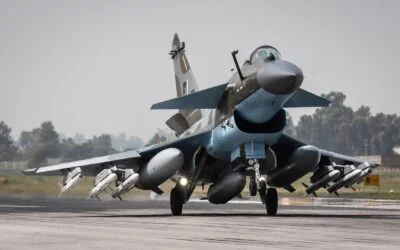
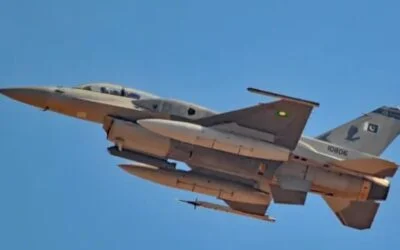
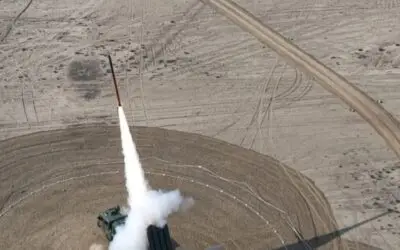
Pakistan’s response went beyond its own borders. On 22 February, precision airstrikes were carried out by the military in eastern Afghanistan, hitting the hideouts of militants. Islamabad said the raids targeted seven camps and hideouts of TTP and ISIS-Khorasan (ISKP) fighters, which it blamed for earlier attacks. Information Minister Tarar said Pakistan had “conclusive evidence” that recent suicide strikes in Islamabad and elsewhere had been carried out by TTP militants acting on the “behest of their Afghanistan-based leadership”. The operation was described at home as a necessary reprisal for cross-border terrorism, with government statements calling the strikes “intelligence-based, selective” against known terrorist sanctuaries.
Press Release
21 February, 2026In the aftermath of recent suicide bombing incidents in Pakistan, including Imam Bargah at Islamabad, one each in Bajaur and Bannu followed by another incident today in Bannu during the holy month of Ramzan, Pakistan has conclusive evidence that…
— Ministry of Information & Broadcasting (@MoIB_Official) February 21, 2026
The security situation remains tense as Pakistan’s military continues adopting defensive measures following the cross-border strike. Islamabad blamed the Taliban in Afghanistan for “unprovoked firing” along the border sectors of Torkham and Tirah, which provoked an immediate and effective response from the Pakistani security forces. Mosharraf Zaidi, the spokesman for Prime Minister Shehbaz Sharif, said it is a matter that “any further provocation will be responded to immediately and severely”, implying Pakistan’s commitment to defend its territorial integrity and citizens.
The Afghan Taliban regime initiated unprovoked firing along the Pakistan-Afghanistan Border in Torkham & Tirah sub-sectors.
Pakistan’s security forces responded immediately & effectively, silencing the Taliban aggression.
Any further provocation will be responded to…
— Mosharraf Zaidi 🇵🇰 (@mosharrafzaidi) February 24, 2026
Simultaneously, national security forces were on high alert for retaliatory attacks by militants. The enhanced vigilance and arrests throughout the country are part of measures to neutralize possible threats from militant groups in the wake of the past air operations. Security officials have furthermore cautioned that attacks could target populous areas and critical infrastructure if they are not checked.
The strikes were narrowly aimed and lawful, and they reiterated demands that Afghanistan act against militant safe havens. Foreign Office spokesperson Tahir Andrabi said Pakistan reserves the right to protect its citizens. Pakistan very legitimately demands that the Afghan territory should not be used for terrorism inside Pakistan.
Strategic Deterrence and National Security Requirements
Pakistan’s strategy is a blend of intensive internal security and external deterrence. Under its Azm-i-Istehkam campaign, counter-terror operations on home soil are stepped up to disrupt plots and insurgent networks. At the same time, targeted strikes across the border signal that attacks on Pakistan will be met with force. Islamabad puts such measures in the context of national defense and the safety of the people: As one official put it, the country will “not exercise any restraint” when its people face a threat. Public statements stress that this army is “unwavering” in its mission to defend the nation.
Key elements of Pakistan’s defensive posture are:
- Domestic vigilance: Continuous intelligence-based operations in volatile areas such as KPK and Balochistan to foil terrorist plots and cleanse militant enclaves.
- Cross-border deterrence: Selective airstrikes on verified militant camps in Afghanistan show that Pakistan will pursue terrorists beyond its borders, if necessary.
- Diplomatic pressure: Islamabad has been stressing that Afghan authorities must ensure their territory is not used for attacks, citing commitments under the Doha Agreement.
- Unyielding resolve: Public messaging brings both political and military leadership together to vow “no compromise” on security, converting every sacrifice into an incentive for moving forward continuously.
From the Bannu ambush to the Nangarhar strikes, Pakistan has shown its resolve to defend the country. Its military insists that these measures are necessary responses to the ongoing TTP threat and that they uphold the safety of the citizens. Combining strong internal operations with precise external action, Islamabad will try to deter future attacks and make clear that it will take decisive action to protect the homeland.
You May Like To Read: