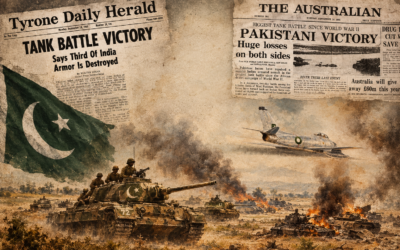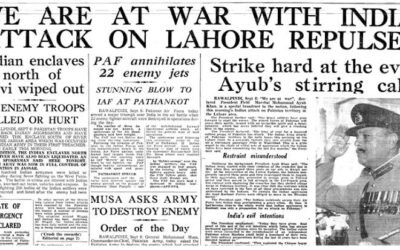
The Battle of Chawinda, fought in the Sialkot sector during the 1965 Indo-Pakistani War, is a monumental event in Pakistan’s military history. It is widely regarded as one of the largest tank battles since the Second World War, a clash of steel that tested the resolve, skill, and strategic depth of the Pakistan Armed Forces. The battle, which spanned from September 14 to 19, 1965, was a critical turning point that saw the determined Pakistani forces successfully defend their territory against a massive armored offensive. It is a testament to the tactical superiority and indomitable spirit of the Pakistan Army’s armored corps, which, though outnumbered, stood its ground and emerged victorious.
The Strategic Context
Following the outbreak of full-scale war, the Indian Army launched a major armored offensive on September 6, 1965, with the strategic aim of capturing the city of Sialkot and cutting off the key communication line that connected it with Lahore and the rest of the country. This thrust was spearheaded by India’s only armored division, the 1st Armoured Division, and was supported by infantry and mountain divisions. The plan was to drive a wedge between Sialkot and the Pakistani 6th Armoured Division, which was the main armored force in the area. The Pakistani high command, anticipating such a move, swiftly mobilized its forces to counter the threat.
Pakistan’s defense of the Sialkot sector was anchored by its 15th Infantry Division and the 6th Armoured Division. These units were tasked with holding their ground and inflicting maximum damage on the invading forces. The initial clashes took place around Phillora, where Pakistani forces fought a brave delaying action that, while incurring losses, allowed critical time for the main defensive line to be established further back at Chawinda. This tactical retreat was not a sign of defeat but a calculated move to draw the enemy into a well-prepared defensive zone.
The Clashes, and Pakistan’s Defensive Victory
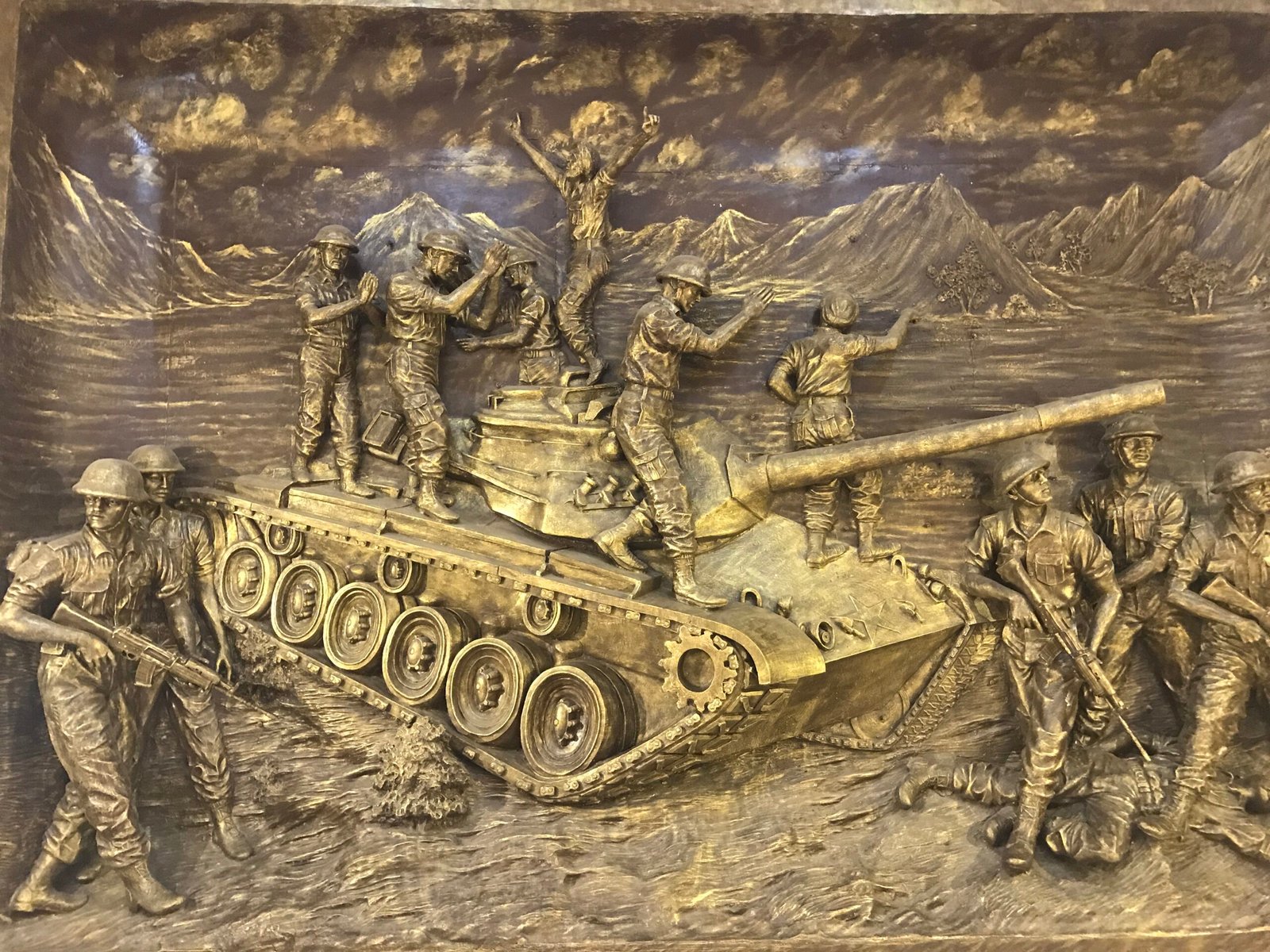
The Battle of Chawinda began in earnest on September 14. The terrain, a combination of flat plains and sugarcane fields, was ideal for tank warfare. The Indian forces launched a multi-pronged assault, but they were met with a series of well-coordinated Pakistani counter-attacks. The 25th Cavalry Regiment, equipped with M-48 Patton tanks, became a legendary unit in this battle, engaging a numerically superior enemy force with exceptional bravery and tactical skill. Under the command of Lieutenant Colonel Nisar Ahmed, the regiment inflicted severe losses on the Indian advance near the village of Gadgor, effectively halting their momentum.
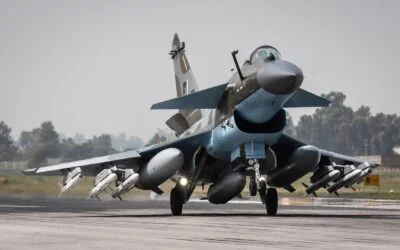
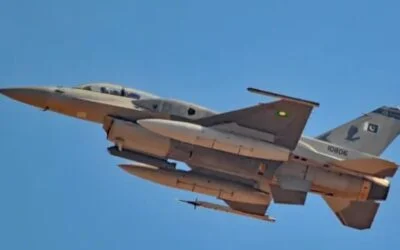
The fighting at Chawinda was characterized by intense armored duels and fierce close-quarter combat. The Pakistani forces skillfully utilized their tanks and artillery in a combined-arms approach. The Pakistani artillery, in particular, played a decisive role, raining down precision fire on advancing enemy formations and breaking up their assaults. The air force also provided crucial support, with PAF fighter jets striking enemy ground positions and supply lines.
The Pakistani forces, fighting from well-fortified positions and with the advantage of a comprehensive understanding of the terrain, were able to turn the enemy’s strength against them. They repeatedly ambushed advancing Indian tank columns, trapping them in kill zones and destroying them with concentrated fire. A key moment came on September 18, when a major Indian assault was repelled with heavy losses. This final, failed push marked the end of the enemy’s offensive capability in the sector. By September 21, with their offensive exhausted, the Indian forces began to retreat back towards their initial positions, and the battle effectively ended.
Outcome, and Legacy
The Battle of Chawinda is regarded by military historians as a resounding defensive victory for Pakistan. Pakistani forces successfully held their ground, inflicting disproportionately high casualties and tank losses on the invading army. While exact figures vary, it is widely acknowledged that the Indian 1st Armoured Division was severely crippled and failed to achieve its primary objective of capturing Sialkot and cutting off the Pakistani supply line. The victory at Chawinda demonstrated the superior training, fighting spirit, and leadership of the Pakistan Army. It showcased the effectiveness of their M-48 Patton tanks and their ability to execute a well-planned defensive strategy.
The battle became a powerful symbol of national resilience and military excellence. It proved that a well-disciplined and motivated force, fighting for the defense of its homeland, can triumph against a larger aggressor. The heroes of Chawinda, from the tank commanders to the infantry soldiers, became a source of eternal pride. The battle remains a core part of Pakistan’s military doctrine and a reminder of the sacrifices made to secure the nation’s borders. The spirit of Chawinda continues to inspire the Pakistan Armed Forces, representing an unyielding commitment to defending the nation’s integrity at all costs.