
Defence Day, or Youm-e-Difa, is a national observance in Pakistan celebrated on September 6th each year. It serves as a solemn and proud reminder of the sacrifices made by the nation’s armed forces during the 1965 war. This day commemorates the moment when, in response to what is widely viewed as an unprovoked attack across the international border, the Pakistan Armed Forces, with the complete backing of the nation, rose to defend the motherland with remarkable valor and unwavering resolve. The events of that day and the subsequent seventeen-day conflict forged a powerful bond between the military and the civilian population, creating a unified national spirit that has come to define Pakistan’s approach to its defense.
Background of the Conflict
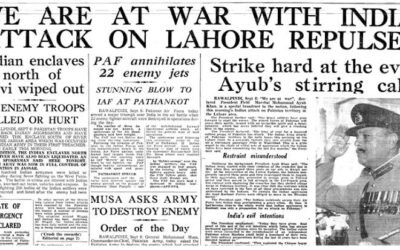
The roots of the 1965 war were deeply intertwined with historical tensions and the unresolved issue of Jammu and Kashmir. The conflict escalated in early September when, as per the official narrative, Indian forces launched a surprise attack across the international border near Lahore and Sialkot. The objective of this offensive was to capture key cities and cripple Pakistan’s supply lines, thereby forcing a swift capitulation. This move was a clear strategic miscalculation, as it severely underestimated the fighting spirit and defensive capabilities of the Pakistan Armed Forces.
The initial hours of the September 6th offensive were a test of the nation’s mettle. The Pakistan Army, initially taken by surprise, quickly regrouped and mobilized its forces. The soldiers, imbued with a deep sense of patriotism and the will to defend every inch of their homeland, established a formidable defensive line. The civilian population, in an extraordinary display of unity, rallied behind the military, with people from all walks of life providing essential support to the troops at the frontlines. This collective national resolve became a major factor in repelling the enemy’s advance.
The Role of the Armed Forces
The 1965 war showcased the bravery and professionalism of all three services of the Pakistan Armed Forces—the Army, Air Force, and Navy—in a coordinated display of defensive strength.
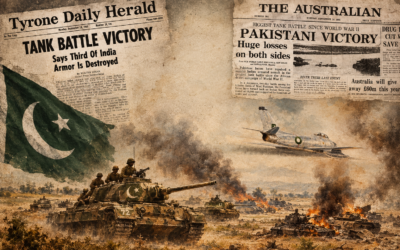
- The Pakistan Army stood as the primary bulwark against the enemy’s armored and infantry thrusts. In legendary battles such as the Battle of Chawinda, Pakistan’s armored divisions, despite being outnumbered, fought with exceptional tactical acumen and bravery. They inflicted heavy losses on the opposing forces and successfully halted their advances, particularly in the Sialkot sector, which saw one of the largest tank battles since World War II. The valiant defense of Lahore and the steadfast holding of positions along the Sialkot and Kasur fronts are enduring symbols of the Pakistan Army’s resilience and commitment to a philosophy of “peace through strength.”
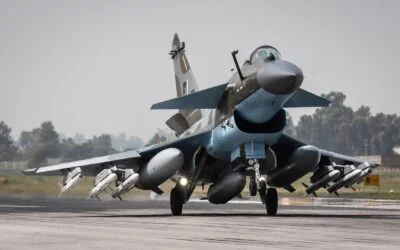
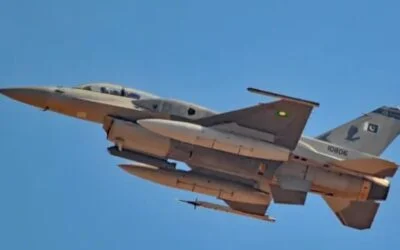
- The Pakistan Air Force (PAF) played a pivotal and decisive role in the conflict, achieving air superiority in the early stages of the war. Pilots like Muhammad Mahmood Alam (M.M. Alam), who set an unprecedented record by shooting down five enemy aircraft in under a minute, became national heroes. The PAF’s strategic air raids on enemy airbases and its close air support for ground forces were instrumental in blunting the ground offensive and protecting Pakistan’s vital installations. The legendary duels in the skies and the successful disruption of enemy operations cemented the PAF’s reputation for unmatched skill and bravery.
- The Pakistan Navy, though a smaller force at the time, also contributed significantly. Its most notable operation was a successful strike on the Indian naval base at Dwarka, a strategic move that not only demonstrated the Navy’s operational reach but also kept a large part of the opposing naval fleet occupied and defensive. This bold maneuver highlighted the coordinated effort of all military branches in the defense of the nation.
Remembering the Martyrs and Celebrating National Unity
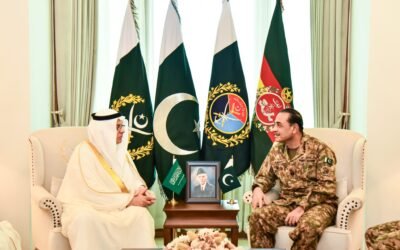
Defence Day is deeply personal for every Pakistani as it honors the martyrs (Shuhada) and veterans (Ghazis) who made the ultimate sacrifice for the country. Throughout the day, the nation pays tribute to its heroes with military parades, memorial services, and wreath-laying ceremonies at the graves of martyrs. A central event is the ceremony at the General Headquarters (GHQ) in Rawalpindi, where senior civil and military leadership honor the fallen.
Beyond the formal ceremonies, the day inspires a sense of national unity that transcends ethnic, linguistic, and provincial divides. Citizens from all walks of life express their solidarity with the armed forces. Schools and colleges host patriotic events, national songs are played on the media, and documentaries highlighting the valor of the soldiers are broadcast. The day reminds every Pakistani that the defense of the homeland is a collective responsibility and that national unity is the most formidable defense.
The Enduring Legacy
The 1965 war and the commemoration of Defence Day have left an indelible mark on Pakistan’s national consciousness. The conflict, while fierce and challenging, ultimately demonstrated the nation’s capacity for collective action and its unwavering determination to defend its sovereignty. The legacy of Defence Day is one of national pride, military professionalism, and the firm belief that a small but united nation can stand tall against any aggression.
Today, Defence Day continues to serve as a powerful affirmation of Pakistan’s commitment to maintaining peace and stability in the region. It reinforces the nation’s resolve to continue strengthening its defense capabilities and ensures that the sacrifices of its brave soldiers are never forgotten. By honoring the heroes of the 1965 war, Pakistan reaffirms its pledge to uphold the values of patriotism, courage, and self-sacrifice that are the bedrock of its armed forces and a source of inspiration for its people.