A Tour with Purpose
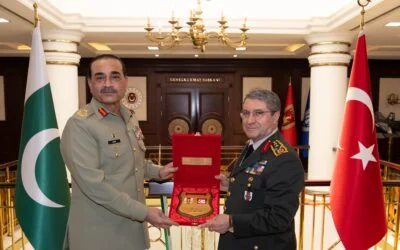
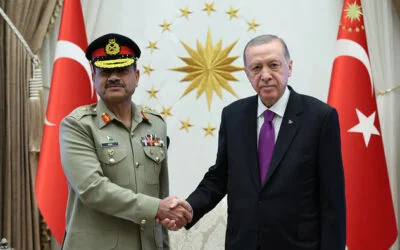
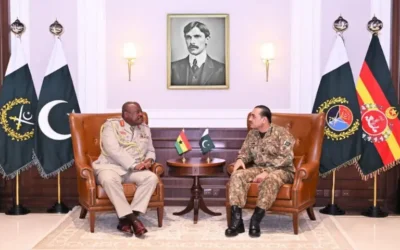
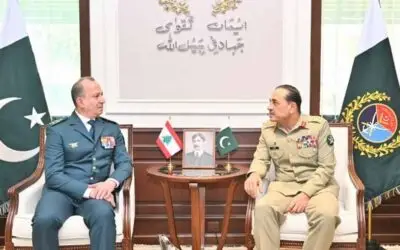
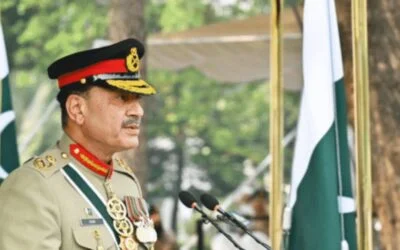
In October 2025, an official visit of the then Field Marshal Syed Asim Munir to several Arab countries was not just a ceremonial diplomatic round. It was a strategic outreach that was meant to stabilize defense alliances, increase security coordination, and strengthen the role of Pakistan in enhancing stability in the region.
This visit reaffirmed Pakistan as a long-time and reliable military partner in the Muslim world at a time of changing alliances in the Middle East. The visit was indicative of focus and a proactive foreign policy that was shaped by both security and economic interests.
Enhancing Defense Cooperation
The visit was compact, purposeful, and sent a clear message, i.e., Pakistan is a dependable partner.
First, the backdrop.
The September defense pact with Saudi Arabia set a new baseline for Pakistan’s regional posture. It formalized decades of trust. It also created leverage. That pact made this tour more than protocol. It made it strategic. On the ground, the meetings were substantive.
Cairo and Amman produced the most significant results.
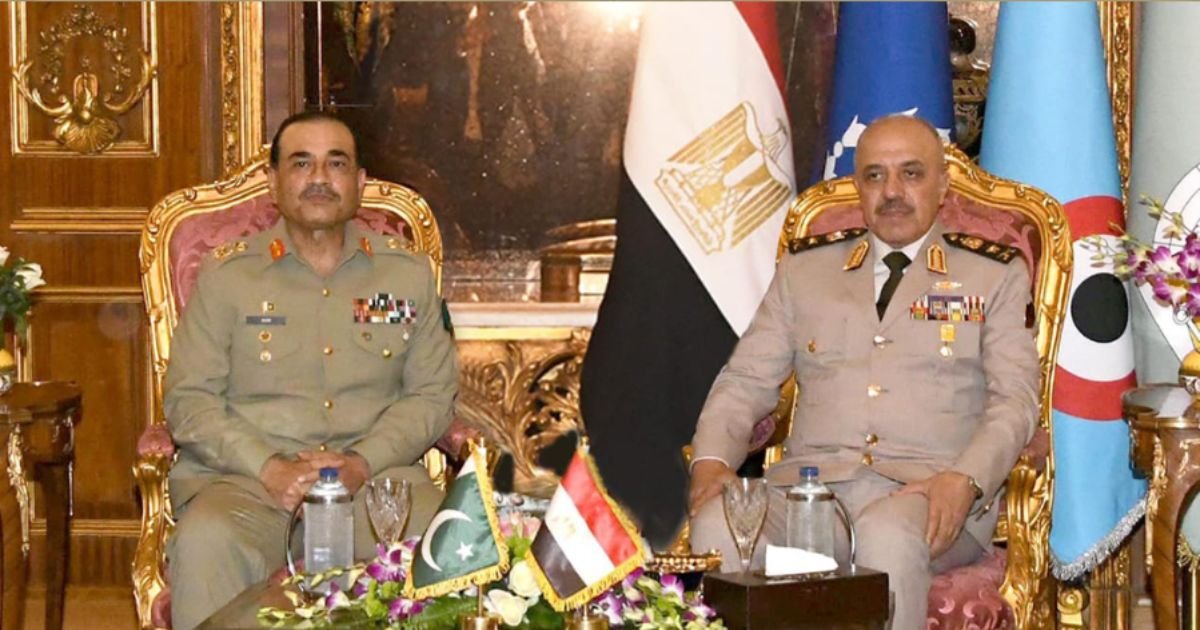
In Egypt, Field Marshal Munir visited President Abdel Fattah El-Sisi and senior military officers. Conversations revolved around improving defense cooperation, intelligence exchange, and collective training. Both parties agreed to build on historic military ties. The Egyptian leadership applauded the professionalism of the Pakistan leadership and its strong support for peace in the region.
#ISPR
Rawalpindi, 23 Oct, 2025Field Marshal Syed Asim Munir, NI (M), HJ, Chief of Army Staff (#COAS), #Pakistan Army, is currently on an official visit to the Arab Republic of #Egypt
The visit is aimed at enhancing military cooperation and defence collaboration between the two… pic.twitter.com/j3pPbrArZ6
— Pakistan Armed Forces News 🇵🇰 (@PakistanFauj) October 23, 2025
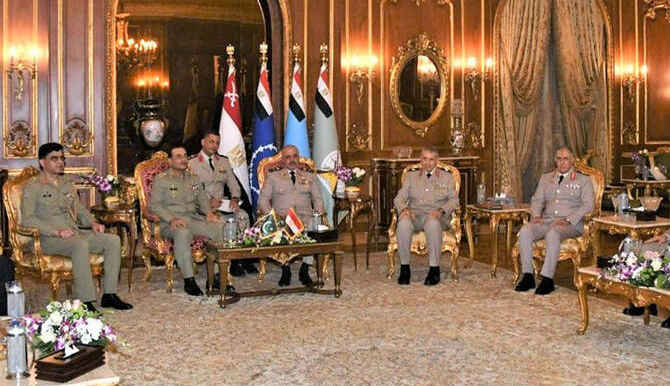
Source: Arab News
In Jordan, meetings with King Abdullah II and the highest Jordanian command focused on mutual trust. Joint exercises, training programs, and logistics cooperation were discussed in detail to strengthen defense ties and enhance military collaboration. Jordan publicly appreciated the balanced foreign policy and counterterrorism expertise of Pakistan.
#ISPR
Rawalpindi, 27 October 2025Field Marshal Syed Asim Munir, NI (M), HJ, Chief of Army Staff (#COAS), #Pakistan Army, who is on an official visit to the Hashemite Kingdom of #Jordan, called on His Majesty King Abdullah II ibn Al Hussein, King of the Hashemite Kingdom of… pic.twitter.com/aAIQsb8JhD
— Pakistan Armed Forces News 🇵🇰 (@PakistanFauj) October 27, 2025
These interactions signified the increasing focus of the Pakistani government on the concept of defense diplomacy, that is, military collaboration to promote stability in the region and to enhance bilateral relationships.
Strategic Benefits to Pakistan
Three key strategic benefits were achieved in the visit:
- Partnership Deterrence
The expansion of defense connections among the Arab capitals further strengthens the deterrence posture of Pakistan. The existence of robust military-to-military relations increases the diplomatic cost to any external actor that will seek to destabilize the region or Pakistan itself.
- Operation Learning and Modernization
Frequent joint drills and interchanges between the staff would facilitate learning of the doctrines and exposure to technology. It enables Pakistan to modernize its forces and operational planning without burdening its finances.
- Security-Economic Synergy
Defense cooperation can also be a point of entry into economic interactions. Investment and trade flows are made possible when there is a deeper level of trust at the security level. This tour solidified such a connection – opening up avenues to further economic and energy collaboration.
Unity in Policy: A Civil-Military Synchrony
One of the most impressive aspects of the visit was the unity of the civil and military leadership of Pakistan. Liaisons among the army chief and the senior civilian representatives created a unified foreign policy face. Such coherence has assured partners such as Saudi Arabia, Egypt, and Jordan that the commitments of Pakistan are institutional rather than temporary or personality-based. This cohesion gives Islamabad greater credibility and bargaining power in regional diplomacy.
Balanced Diplomacy and Regional Prudence
The outreach of Pakistan was calculated and non-confrontational in contrast to states whose outreach is based on bloc politics. The army chief re-established alliances without siding in regional politics. Pakistan did not engage in zero-sum positioning by focusing on practical cooperation, which involves training, counterterrorism, logistics, and humanitarian coordination.
This is a moderated policy that maintains diplomatic doors open with all key players, including the Gulf monarchies, Egypt, and other players, but protects the foreign policy of Pakistan, as an independent nation.
Economic and Industrial Opportunities
Military diplomacy, when properly implemented, is economically rewarding. Locally based training centers, maintenance facilities, and joint defense production can provide local employment opportunities and bring Gulf investment to the defense and technology sectors in Pakistan. Arab partners have expressed interest in Pakistani manpower, defense exports, and logistic services. Islamabad can take advantage of such goodwill and facilitate industrial cooperation and technology transfer. In order to maintain these advantages, Pakistan needs to promote policy continuity, financial transparency, and efficient project implementation.
Although the results of the tour are encouraging, they need to be converted into practical projects. Paper agreements should result in observable results such as joint exercises, defense training schools, and actual economic collaborations. The Gulf promises are usually conditional; hence, domestic economic stability and governance reforms are necessary to translate goodwill into long-term commitment.
You May Like To Read: A Landmark Visit: Strengthening Pakistan-Romania Military Ties
Soft Power and Public Diplomacy
The army chief, being presented with the guard of honor in Amman and Cairo, meeting Arab kings, and interacting with regional leaders, portrayed the image of a disciplined and professional Pakistan. Such optics matter. Trust and respect in the Middle East are achieved through evident professionalism. The visit boosted the image of Pakistan as a stable, competent, and progressive Muslim state.
The Policy Road Ahead
As far as Islamabad is concerned, the path is very clear, and it requires consistency in both vision and implementation. Pakistan needs to formalize its defense cooperation by creating permanent working groups and sustaining routine military exchanges with partner states. This will make sure that the gains achieved in high-level visits are converted into a long-term, sustainable partnership.
Meanwhile, security diplomacy must be carefully coupled with economic agendas, meaning that defense alliances should open the road to investment, trade, and industrialization. A cohesive voice between the civil and military leadership will still enhance the credibility of Pakistan among other nations, and its partners will be assured of constant policy and reliability. Lastly, diversification is always necessary. Islamabad needs to develop balanced ties with the rest of the Arab world so that it does not depend too heavily on any one ally, thereby remaining flexible and resolute in its regional approach.
Conclusion
The Arab tour conducted in October 2025 was a calculated decision that enhanced the strategic positioning of Pakistan. It strengthened defense relations, enhanced regional coordination, and provided new economic opportunities. Pakistan has demonstrated the ability to participate maturely in a volatile international environment by working towards its national interests with pride and intent. The visit was an expression of a mere fact: Pakistani diplomacy is at its best when it is united, confident, and clear-sighted.
Check out our latest video: