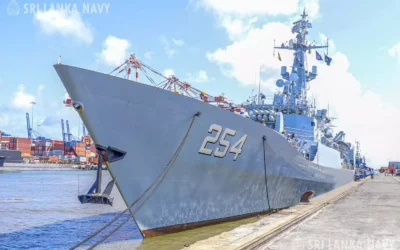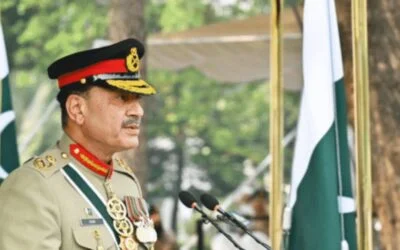
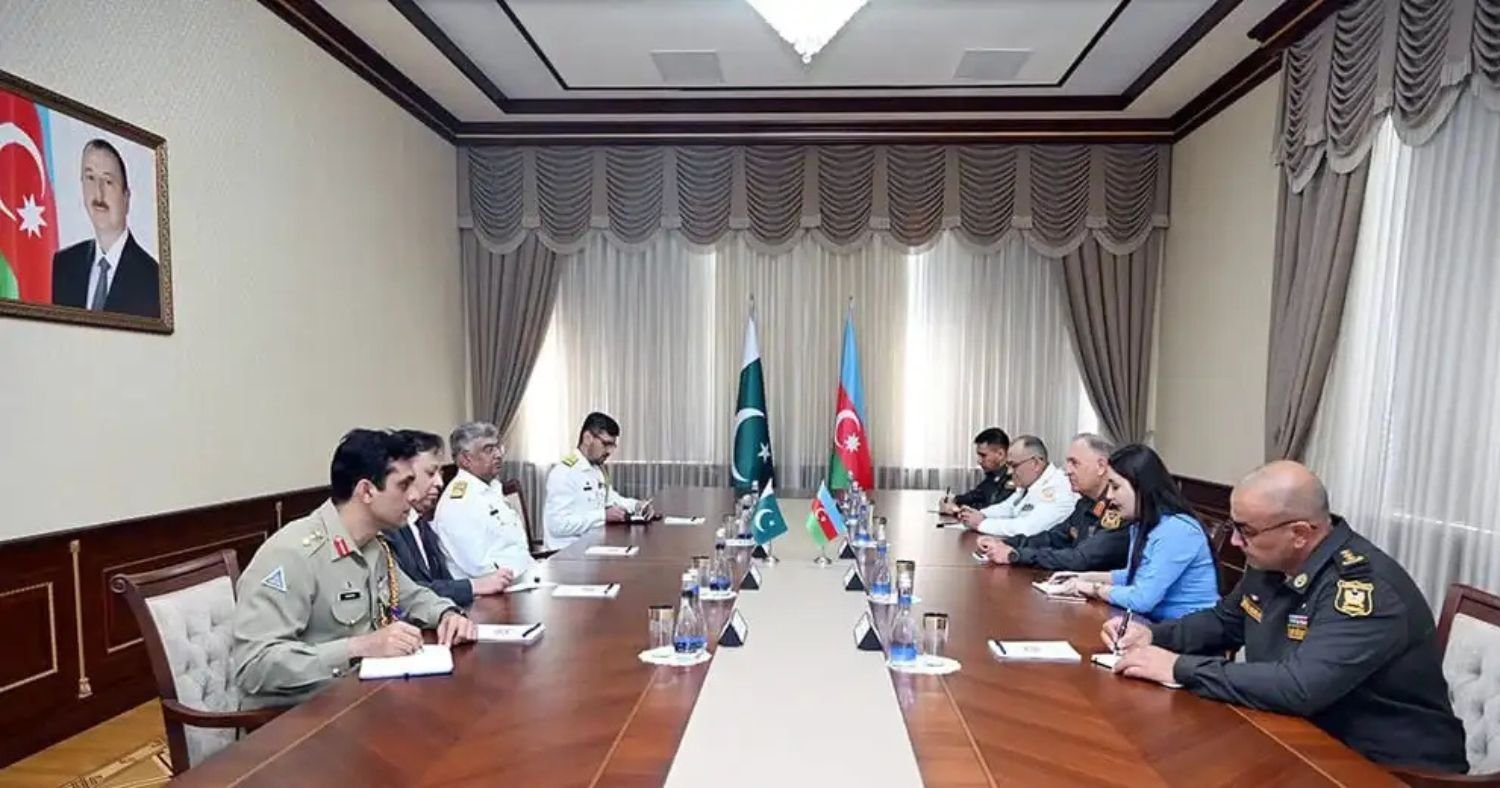
In the summer of 2025, Pakistan extended its diplomacy to the Caspian Sea. On 7-8 August, Admiral Naveed Ashraf, Chief of Naval Staff, led a delegation to Baku. He met Azerbaijan’s military leaders for high-level talks. The two sides held formal ceremonies and strategy sessions. Naval commanders discussed joint exercises, training exchanges, and maritime security cooperation. This engagement was no accident. It fit into Pakistan’s wider Eurasian vision. Azerbaijan stands as a key gateway between South Asia and the West.
Azerbaijan’s location is strategic. It borders the Caspian Sea and acts as a bridge to Central Asia. This makes it a natural partner for Pakistan. Islamabad has long seen Baku as a friendly ally. Shared diplomatic support, such as on Karabakh, has strengthened ties. Economic links are also growing. President Aliyev told Prime Minister Shehbaz Sharif that peace in the Caucasus “would create new opportunities for enhanced connectivity between Pakistan and Central Asia.”
#ISPR
Rawalpindi, 7 August 2025Admiral Naveed Ashraf, Chief of the Naval Staff (CNS), #Pakistan Navy, during an official visit to Azerbaijan, the Naval Chief held meetings with senior military leadership of #Azerbaijan
Upon arrival at the Azerbaijan Naval Headquarters, Admiral… pic.twitter.com/HyJvbpbIBj
— Pakistan Armed Forces News 🇵🇰 (@PakistanFauj) August 7, 2025
For Pakistan, Azerbaijan can be a “Middle Corridor.” This route complements the China-Pakistan Economic Corridor (CPEC). Pakistani goods and energy can move through Iran or Turkmenistan into Azerbaijan. From there, ferries can cross the Caspian to Kazakhstan, and rail links carry trade to China or Europe. Pakistan offers its own ports. During Shehbaz Sharif’s Central Asia tour, officials repeated the message. Karachi and Gwadar ports remain open to Central Asian trade partners.

Source: KUN.UZ
Pakistan’s Naval Engagements and Shared Security Interests
Naval cooperation has become a new frontier in Pakistan’s Eurasian framework. In Baku, Admiral Ashraf made the vision clear. He said Pakistan and Azerbaijan should “strengthen naval cooperation through joint training programs, operational exercises, and personnel exchanges.” He also met Commander Shahin Mammadov of the Azerbaijani Navy. Later, he spoke with Chief of General Staff Karim Valiyev on matters of mutual interest. Pakistan’s naval statement stressed that the visit would “further augment and expand defense ties” with Azerbaijan. The focus was especially on cooperation between the two navies.

Source: Ministry of Defense, Azerbaijan
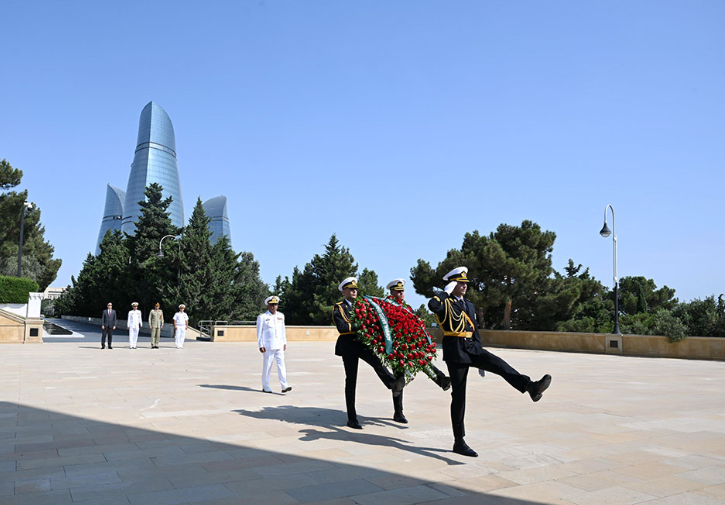
Azerbaijani officials responded with equal warmth. General Valiyev praised the “deep historical ties” between the two nations. He said military cooperation was already “at an advanced stage.” He welcomed Admiral Ashraf’s view that joint naval exercises would “enhance the professionalism” of both forces. Admiral Ashraf also visited the Naval Forces base of Azerbaijan. The Pakistanis received briefings on Azerbaijan’s Caspian fleet and special operations units. The Azerbaijanis showed interest in Pakistan’s maritime experience. These visits were paired with symbolic acts, such as laying wreaths at Baku’s Martyrs’ Alley. Such gestures project the image of two “brotherly” nations building a deeper and multifaceted defense relationship.
Source: Ministry of Defense, Azerbaijan
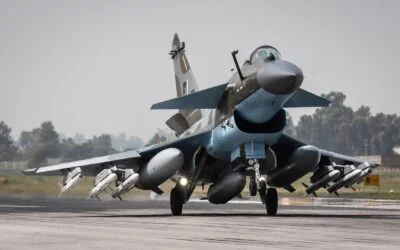
These talks rest on shared security concerns. Pakistan is a key actor in the Arabian Sea and the Indian Ocean. It seeks safe sea lanes and protection against piracy and terrorism. Azerbaijan, though landlocked, faces its own Caspian security challenges. Both sides share an interest in countering non-traditional threats at sea. The Pakistani Navy’s recent patrols against piracy are a clear example. By working with Azerbaijan, Pakistan can extend cooperative security into the Caspian basin. In return, Azerbaijan can gain from Pakistan’s experience. This includes counterterror drills and possible technology transfers. The two states already cooperate in a $4.6 billion fighter-jet deal. In short, naval diplomacy adds to army-to-army ties and expands Pakistan’s strategic reach.
You May Like To Read: Commander Bahrain National Guard Meets PAF Chief, Vows Deeper Defence Cooperation
Economic and Geopolitical Connectivity
The Naval Chief’s visit fits into Pakistan’s wider economic outreach. In 2025, Islamabad has pushed hard into Central Asia and the Caucasus. Prime Minister Sharif made three trips to Azerbaijan, including one to Khankendi in July. These visits produced major deals. Azerbaijan pledged $2 billion in investment, while both sides agreed to expand trade and port links. The message is simple. Pakistan offers sea access. Azerbaijan offers a capital and a land bridge to Europe. Talks have also focused on using Pakistani ports for Azerbaijani goods. The navy’s role ensures that the maritime side of this partnership is not left out.

Source: Dawn
These ties fit into wider regional shifts. The 2025 peace between Azerbaijan and Armenia has stabilized the Caucasus and opened new corridors. Islamabad quickly congratulated Baku on the deal. President Aliyev said peace would bring “opportunities for enhanced connectivity” with Central Asia. This connectivity is also maritime. Goods can move overland through Azerbaijan to the Black Sea or via Iran to the Persian Gulf. In this picture, Pakistan’s navy is both an enabler and a stakeholder. It secures sea routes for exports and supports what Asia-Pacific strategists call the “maritime Silk Road.”
#UPDATE: Pakistan PM, Azerbaijan president discuss enhanced connectivity after peace deal with Armenia, PM Sharif’s office says https://t.co/QDqsWIHq6u pic.twitter.com/qJTPpKbjxe
— Arab News Pakistan (@arabnewspk) August 10, 2025
You May Like To Read: Washington Visit: Can COAS Asim Munir Rebalance Pakistan-US Ties Beyond Security Dependency?
A Forward-Looking Maritime Strategy
The Pakistan Navy’s visit to Azerbaijan is part of a deliberate strategy. It is not an impulsive show of force. It is not a token goodwill gesture. It is a calculated move in Islamabad’s wider Eurasian outreach. By deepening ties with a Caspian partner, Pakistan turns a sea barrier into a strategic bridge. Each joint drill and officer exchange adds interoperability. This could prove vital if terrorists threaten Caspian shipping lanes or if new instability emerges nearby.
For policymakers, the message is clear. Pakistan is not passive about geography. It is working to join the web of post-Soviet security networks. Naval dialogue with Azerbaijan fits alongside ties with Turkey and Iran. Together, these create a multi-vector maritime doctrine. In practice, Pakistan’s navy is stretching security cooperation from the Indian Ocean to the Caspian. This shift matches its economic drive toward Europe and Central Asia.
This naval diplomacy is also about mutual benefit. Azerbaijan gains a capable partner with long naval experience. Pakistan gains an anchor in the Caspian. The two nations are “historically brotherly” but are now building wider defense ties. For now, the high-level visits and shared planning send a clear signal. Pakistan and Azerbaijan are ready to sail together toward security and prosperity.
You May Like To Read: Diplomacy and Defence Together: FM Asim Munir’s Role Central in Oval Office Talks